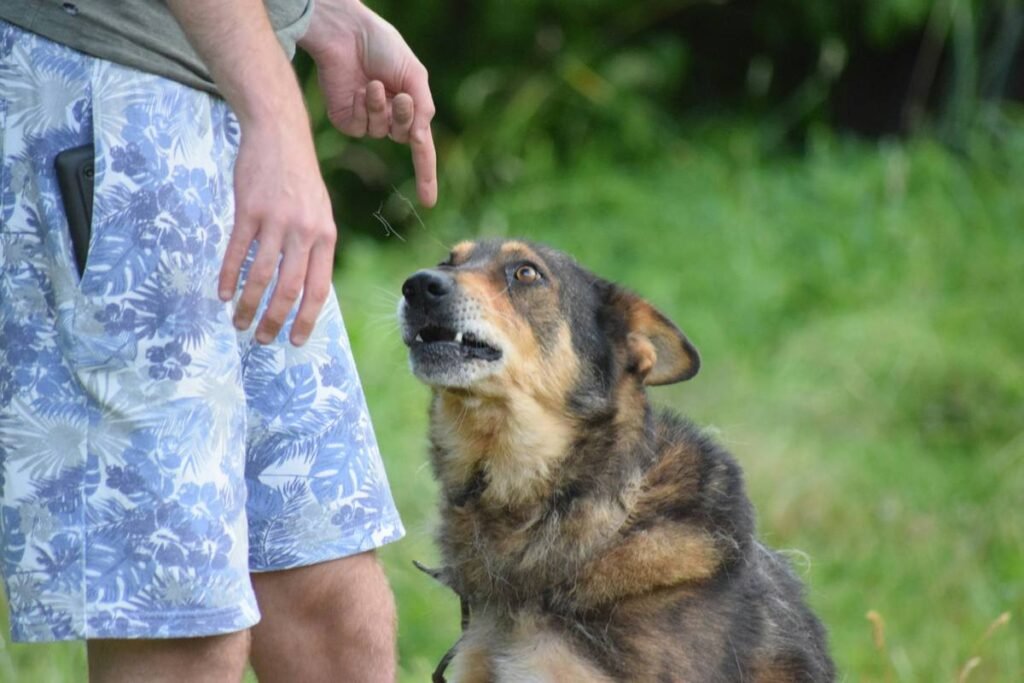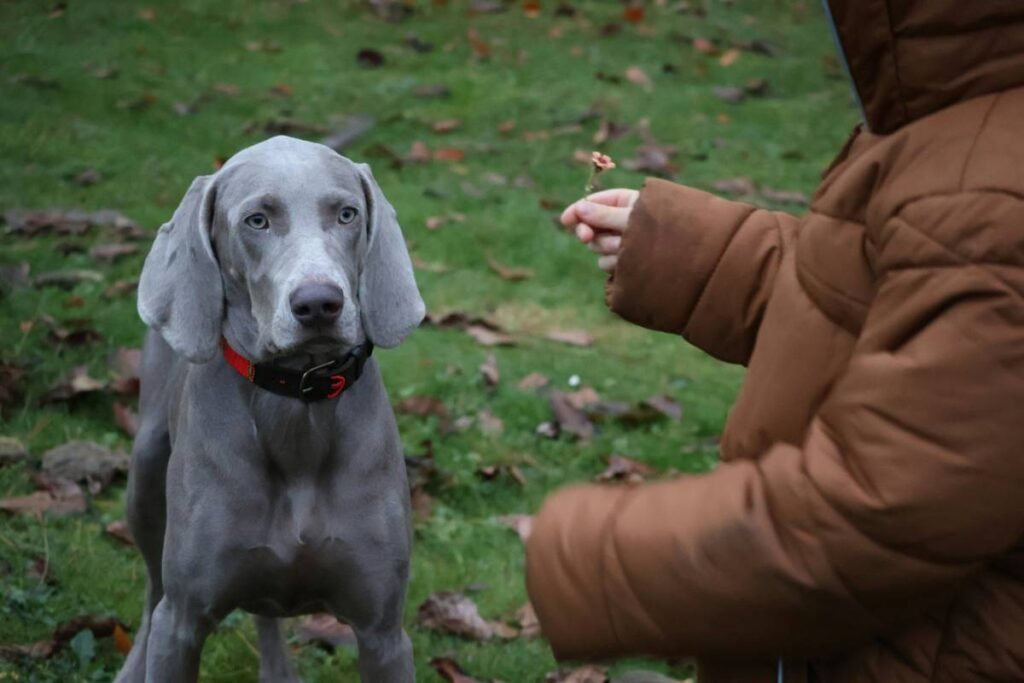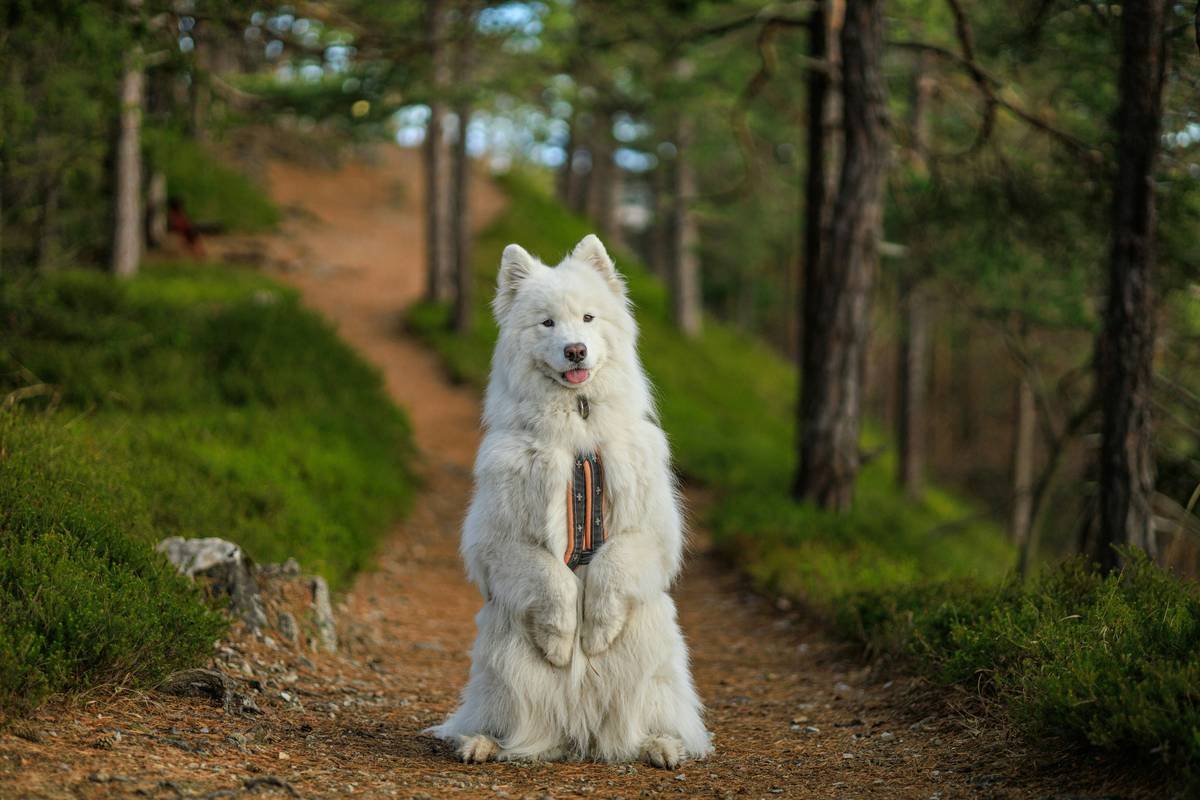
Ever stood in your backyard, waving like a windmill trying to get your deaf dog’s attention—only for them to stare blankly into the void like you’re doing interpretive dance? You’re not alone. Over 5% of dogs develop some degree of hearing loss in their lifetime (Cornell Feline Health Center extrapolates similar prevalence in canines from veterinary neurology studies), and inconsistent hand signals are the #1 reason their training stalls.
This post cuts through the noise (pun intended). We’ll dive deep into why Visual Cue Consistency isn’t just helpful—it’s non-negotiable—and how to build a rock-solid, reliable communication system with your deaf pup. You’ll learn:
- Why confusing signals sabotage trust
- How to choose and stick to cues that actually work
- Real-world fixes from a trainer who’s worked with 200+ deaf dogs
- The one “terrible tip” that could undo weeks of progress
Table of Contents
- The Heart of the Problem: Why Inconsistency Breaks Trust
- Step-by-Step: Building Your Visual Cue Consistency System
- Pro Tips for Flawless Communication (Even in Chaos)
- Real Results: How Max Went From Confused to Command-Focused
- FAQs on Visual Cue Consistency
Key Takeaways
- Deaf dogs rely 100% on visual input—mixed signals cause anxiety and confusion.
- Consistency means using identical hand shapes, locations, and timing every single time.
- Household-wide agreement on cues prevents accidental retraining.
- Start with 5 core cues, nail them, then expand.
- Never pair verbal praise with visual cues—your mouth movements can become unintentional signals.
The Heart of the Problem: Why Inconsistency Breaks Trust
Imagine you’re learning French, but your teacher sometimes says “chien” for dog, other times points at a photo while saying “chat,” and occasionally mimes barking silently. You’d be lost—and frustrated. That’s your deaf dog’s reality when visual cues shift even slightly.
I’ve watched families unknowingly erode months of training because Dad used an open palm for “stay,” Mom used a flat hand held sideways, and the toddler just waved wildly whenever they wanted the dog to pause. The dog wasn’t being stubborn—they were genuinely confused.
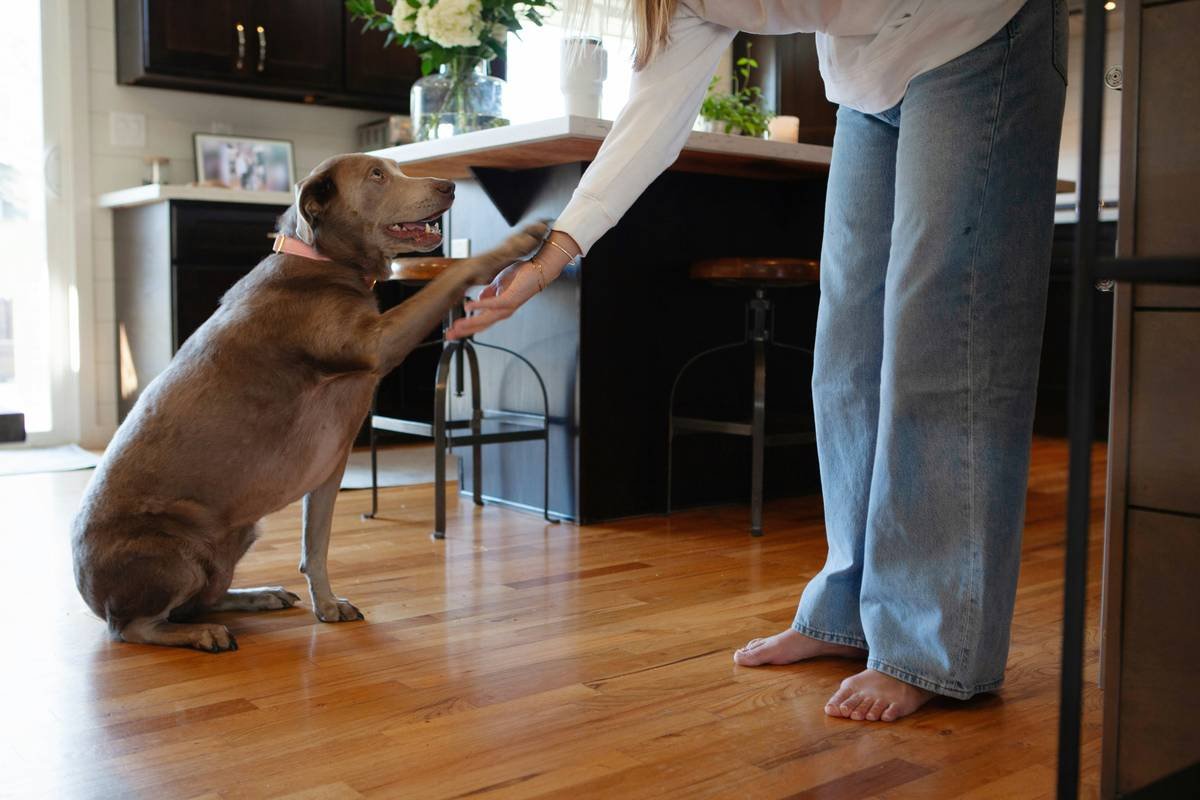
Veterinary behaviorists stress that inconsistent signals increase canine stress hormones (per studies published in the Journal of Veterinary Behavior). And here’s the kicker: dogs generalize poorly. A “sit” cue given at chest level ≠ “sit” at waist level in their eyes. They see discrete actions—not abstract concepts.
Grumpy You: “So I have to turn my house into a silent movie set?”
Optimist You: “Actually, yes—but it’s way easier than you think, and your dog will thrive.”
Step-by-Step: Building Your Visual Cue Consistency System
How do I choose the right visual cues?
Forget random gestures. Use cues that are:
- Distinct: No overlapping shapes (e.g., don’t use palm-up for “sit” and palm-down for “down”—they look too similar).
- Visible from afar: Big motions > subtle ones. Think traffic cop, not librarian.
- Body-neutral: Avoid cues that require bending or turning your whole body—you won’t always have that luxury mid-walk.
My go-to system (validated by Deaf Dog Rescue of America protocols):
- Sit: Flat hand, palm down, lowered from shoulder to waist
- Down: Index finger pointed downward, arm fully extended
- Come: Sweeping motion toward chest with open palm
- Stay: Open palm held vertical, like a stop sign—at face level
- Watch Me: Point to your own eye with index finger
How do I get everyone in my house on the same page?
Host a 10-minute “cue clinic.” Film yourself demonstrating each signal. Text the video to all caregivers. Post printed cue cards near the dog’s bed and leash hook. Consistency isn’t optional—it’s collaborative.
Why timing matters more than you think
Your cue must happen before the behavior—not during or after. If you signal “sit” while your dog is already sitting, they’ll associate the cue with the *end* of the action, not the start. Precision builds clarity.
Pro Tips for Flawless Communication (Even in Chaos)
- Never mix verbal + visual: Even if you whisper “good boy,” your lip movements can become unintended cues. Go fully silent during training sessions.
- Use lighting strategically: At dusk, wear light-colored shirts so your hands stand out. In bright sun, create shade with your body so your pup sees your signals clearly.
- Reinforce with vibration: Pair cues with a gentle tap on the floor or a vibrating collar (not shock!) to grab attention first—then give the visual cue.
- Test for generalization: Practice cues in new locations weekly. If your dog nails “stay” in the kitchen but freezes outdoors, you haven’t generalized the cue enough.
- Avoid “cue drift”: Every 2 weeks, film yourself giving cues. Compare to your original reference video. Tiny shifts add up.
The Terrible Tip (Don’t Do This!): “Just make up signs as you go!” Nope. Without structure, you’re teaching chaos. Deaf dogs crave predictability—their entire emotional safety hinges on it.
Rant Section: I once saw a viral TikTok where someone used jazz hands for “come,” then complained their deaf pup ignored them at the park. Honey, your dog isn’t ignoring you—they’re waiting for the *actual* cue you used during training. Stop blaming the dog for your improvisation!
Real Results: How Max Went From Confused to Command-Focused
Max, a 3-year-old rescue Border Collie, arrived at our rehab center terrified and unresponsive to human gestures. His previous owners used 4 different “sit” signals interchangeably. He’d shut down completely during walks.
We implemented strict Visual Cue Consistency protocols:
- Chose 5 core cues using ASL-inspired but simplified gestures
- Trained all 3 household members with video demos
- Used high-value treats ONLY when cue execution was perfect
Within 18 days, Max responded to cues at 40 feet in a busy park. By week 6, he passed his Canine Good Citizen test with flying colors. His owner wrote: “It’s like we finally speak the same language.”
That’s the power of consistency—not magic, not luck, just clear, unwavering communication.
FAQs on Visual Cue Consistency
Can I use American Sign Language (ASL) for my deaf dog?
Yes—but simplify. Full ASL can be too nuanced. Use broad, exaggerated versions (e.g., ASL “sit” involves a fist; we use an open palm for better visibility).
What if my dog looks away during training?
First, teach “Watch Me” as your foundational cue. Reward eye contact relentlessly. Never force head position—build voluntary attention through positive reinforcement.
Do older deaf dogs benefit from visual cue consistency?
Absolutely. Age doesn’t affect visual processing. In fact, senior dogs often respond faster because they’re calmer and less distracted.
How long until my dog reliably responds?
With daily 5-minute consistent sessions, most dogs master 5 core cues in 2–4 weeks. Inconsistency doubles or triples that timeline.
Conclusion
Visual Cue Consistency isn’t about perfection—it’s about reliability. When your deaf dog knows exactly what your hand signal means, every single time, they gain confidence, reduce anxiety, and bond deeper with you. Start small. Pick five cues. Get everyone in your home aligned. And never underestimate the quiet power of a steady, clear signal.
Because in a world without sound, consistency becomes love made visible.
Like a Tamagotchi, your dog’s trust needs daily feeding—no skipping days.
Haiku:
Silent hands speak loud,
Same shape, same place, every time—
Trust grows without sound.