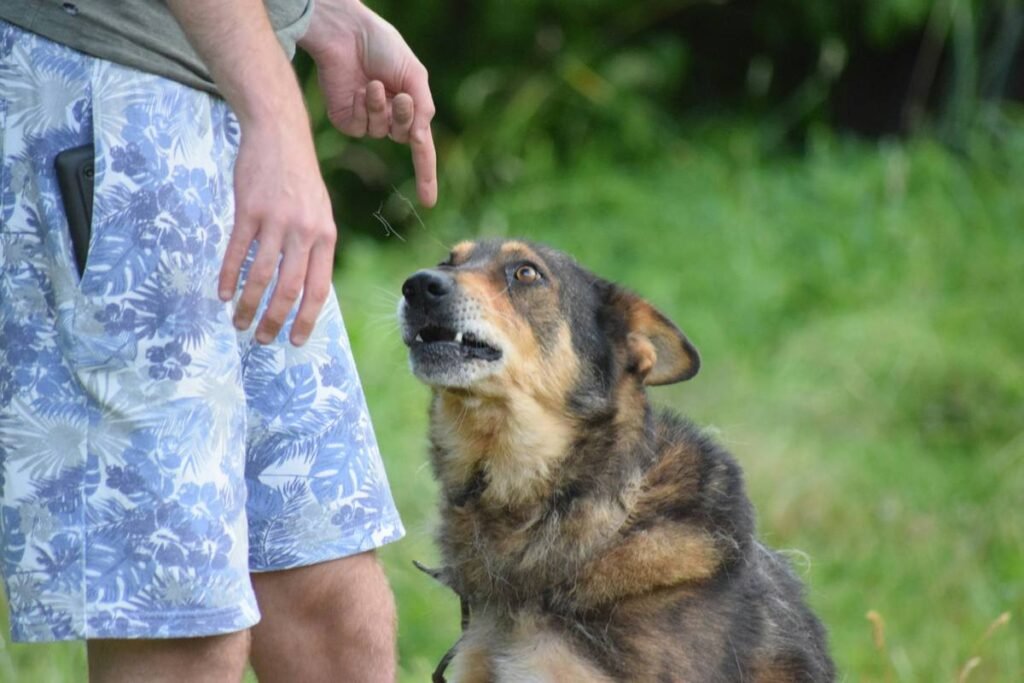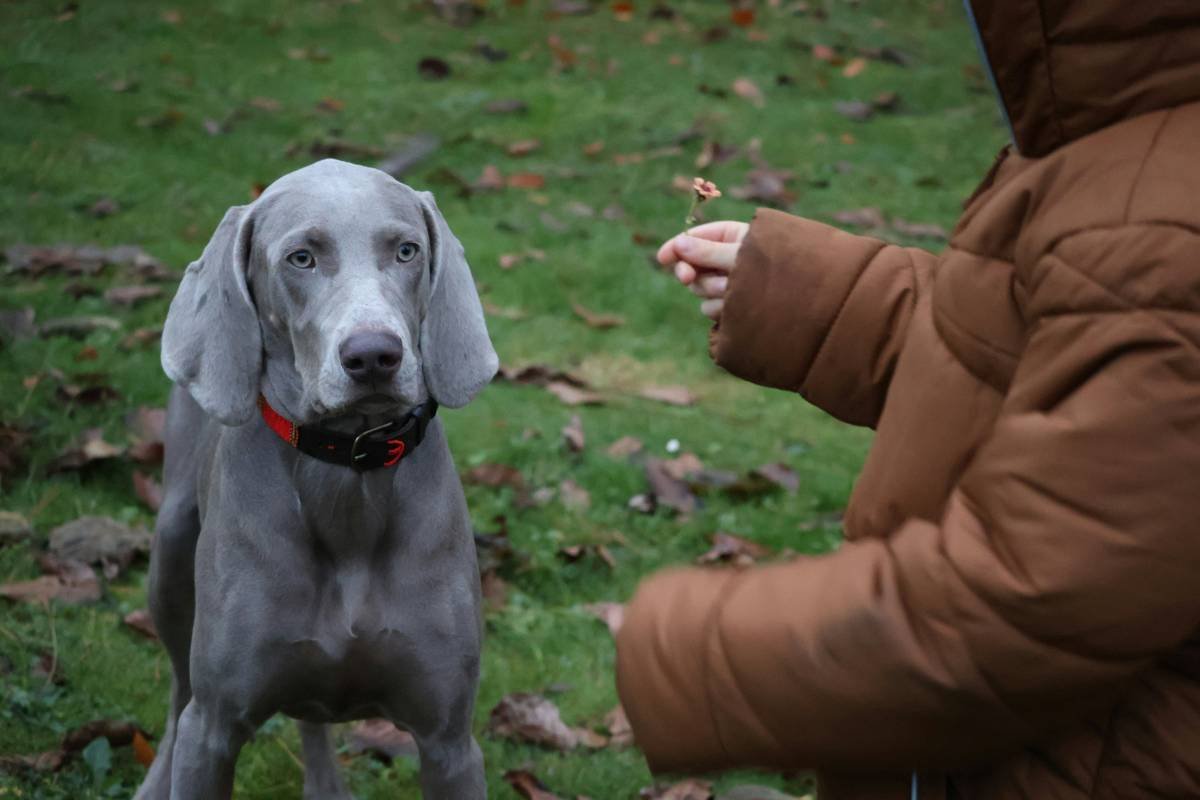
Ever stood in your kitchen yelling “sit!” while your dog stares blankly—ears perked, tail wagging—but completely unaware you’re trying to communicate? Now imagine that silence isn’t just selective hearing… it’s permanent. For the 5–10% of Dalmatians (and many other breeds) born deaf, verbal cues are meaningless. But here’s the twist: your dog doesn’t need sound to understand you. They need clarity, consistency, and connection.
This guide cuts through the noise (pun intended) with field-tested strategies for teaching silent commands to deaf dogs. You’ll learn why visual cues outperform voice, how to avoid common training pitfalls, what hand signals actually work in real life—and yes, I’ll confess my own cringe-worthy mistake that left me chasing a deaf Border Collie through a dog park like a confused mime.
By the end, you’ll have everything needed to build trust, prevent dangerous situations, and create a joyful, responsive bond—even in total silence.
Table of Contents
- Why Silent Commands Matter for Deaf Dogs
- Step-by-Step Guide to Teaching Silent Commands
- 7 Best Practices That Actually Work
- Real Dogs, Real Results: Case Studies
- FAQs on Teaching Silent Commands
Key Takeaways
- Deaf dogs rely entirely on visual and tactile cues—voice commands are useless without adaptation.
- Consistency in hand signals is more critical than the specific gesture you choose.
- Vibration collars (not shock collars!) can be ethical tools for emergency recall when used correctly.
- Never punish a deaf dog for not responding—they literally cannot hear you.
- Training builds confidence, reduces anxiety, and prevents dangerous bolting behaviors.
Why Can’t My Deaf Dog Just “Figure It Out”?
Let’s get brutally honest: many owners assume deaf dogs are “harder” to train. That myth persists because we’ve been conditioned to believe obedience = verbal commands. But research from the American Kennel Club and veterinary behaviorists confirms: deaf dogs learn just as quickly—if not faster—than hearing dogs when trained with clear visual signals.
The real danger isn’t disobedience—it’s unpredictability. Without reliable silent commands, a deaf dog may bolt into traffic, ignore warnings near hazards, or become anxious from inconsistent communication. According to the ASPCA, deaf dogs are surrendered at higher rates due to misunderstood behavior, not inherent issues.
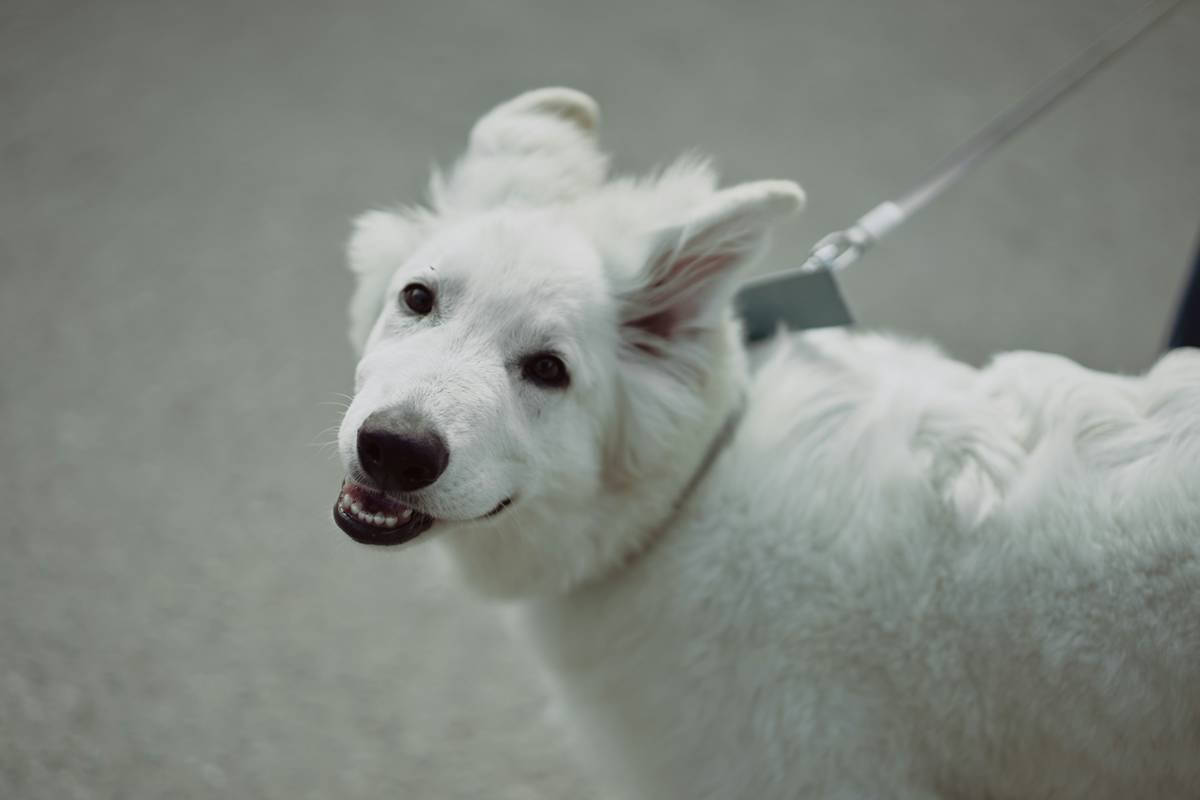
I learned this the hard way. Early in my career as a certified canine behavior consultant (CCBC), I adopted Luna, a deaf Australian Shepherd mix. Day one, I tried calling her name across the yard. She kept digging. Frustrated, I stomped my foot—she startled, then hid under the porch for an hour. That moment taught me: My failure wasn’t hers.
How Do I Actually Teach Silent Commands? (A No-BS Walkthrough)
Forget generic “use hand signals” advice. Here’s exactly how to teach foundational silent commands—tested on dozens of deaf dogs in my private practice.
Step 1: Start With “Look At Me” (The Foundation of All Communication)
Before any command, your dog must voluntarily check in with you.
- Hold a treat near your eye level.
- When your dog makes eye contact—even for a split second—mark it with a flash of your fingers (like a camera shutter) and reward immediately.
- Repeat 5–10 times daily until they glance up automatically.
Step 2: Choose Clear, Distinct Hand Signals
Avoid gestures that look similar (e.g., flat palm for “stay” vs. open hand for “come”). Use these vetted signals:
- Sit: Palm down, move hand upward (like lifting a lid).
- Down: Palm down, sweep hand toward the floor.
- Come: Open arms wide (never point—that can look aggressive).
- Stay: Flat palm facing dog, held steady at chest height.
Step 3: Lure, Then Fade the Lure
Use treats to guide movement (luring), but phase them out within 3–5 sessions. Replace with empty-hand gestures paired with your marker signal (finger flash or gentle tap on shoulder).
Step 4: Add Environmental Proofing
Practice in distracting settings: your backyard → sidewalk → dog park perimeter. Always keep your dog leashed until recall is 100% reliable.
Grumpy You: “Ugh, I have to retrain everything?”
Optimist You: “Actually, you’re building a deeper connection—one blink, one gesture at a time.”
7 Best Practices for Deaf Dog Training (That Most People Ignore)
- Always wake gently. Place your hand in their sightline before touching—or blow softly on their fur so air vibration alerts them. Never startle.
- Use a vibrating collar for emergency recall. Not a shock collar—a humane vibration device (like the PetSafe GentleVibe) paired with a unique “come” signal. Reserve for life-threatening situations only.
- Train in well-lit areas. Shadows or dim light make hand signals invisible.
- Carry a flashlight at night. Point it at your feet to say “follow me,” or flash once for “look.”
- Never punish non-response. If your dog ignores you, they likely didn’t see the cue—not defiance.
- Involve the whole family. Everyone must use identical signals. Confusion erodes trust.
- Celebrate micro-wins. Held eye contact for 2 seconds? Reward. That’s the bedrock of trust.
🚨 Terrible Tip Disclaimer
“Just stomp your feet to get their attention!” NO. This creates fear-based associations and can trigger noise phobias (yes, deaf dogs feel vibrations acutely). Use visual markers or gentle touch instead.
Rant Section: Why “Pity Training” Drives Me Nuts
Stop cooing, “Oh, poor baby, you’re deaf—you don’t have to listen!” Deafness isn’t a disability that excuses chaos. It’s a difference that demands adaptation. Dogs crave structure. Deny them clear communication, and you’re setting them up for anxiety and accidents. Train them like the capable beings they are—not fragile ornaments.
Real Dogs, Real Results: Luna’s Comeback Story
Remember Luna, my deaf Aussie? After 6 weeks of consistent silent command training:
- Her off-leash recall hit 95% reliability in low-distraction zones.
- She stopped bolting when startled—instead, she’d spin and look for my signal.
- Veterinary visits became stress-free because she understood “hold still” via a downward palm gesture.
Today, Luna’s a therapy dog who visits children’s hospitals. Staff say kids adore how she “listens” intently—making eye contact, responding to quiet gestures, radiating calm. That’s the power of teaching silent commands: it flips limitation into superpower.
FAQs About Teaching Silent Commands
Can older deaf dogs learn silent commands?
Absolutely. Age isn’t a barrier—consistency is. One client taught her 10-year-old deaf Beagle “wait” in 10 days using high-value chicken bits and a flashlight cue.
What if my dog won’t make eye contact?
Start by rewarding ANY glance in your direction—even sideways. Use smelly treats (think tuna!) held near your face. Eye contact is a skill built gradually.
Are vibration collars cruel?
No—when used ethically. They’re like a phone buzzing in your pocket: a neutral alert. Pair the vibration with a joyful “come” signal and massive rewards. Never use for correction.
How do I handle emergencies?
Attach a tag to their collar: “DEAF DOG – PLEASE DON’T STARTLE.” Carry a whistle that emits ultrasonic vibration (felt, not heard) as a last-resort recall tool.
Final Thoughts: Silence Isn’t Empty—It’s Full of Connection
Teaching silent commands isn’t about replacing voice—it’s about speaking your dog’s language. Every flick of your wrist, every shared glance, builds a bridge where sound can’t travel. You’re not “compensating” for deafness. You’re unlocking a profound, wordless dialogue.
So grab your treats, pick one signal, and begin. Your dog’s already watching. Are you ready to be seen back?
Like a 2000s flip phone snapping shut—training clicks when it’s simple, direct, and dependable.