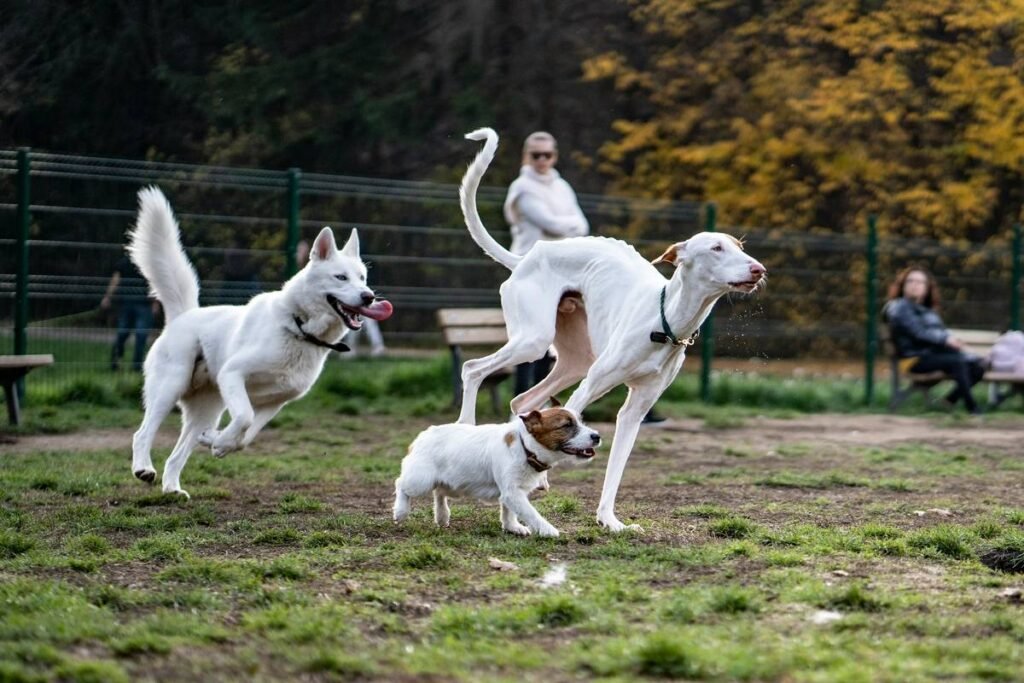
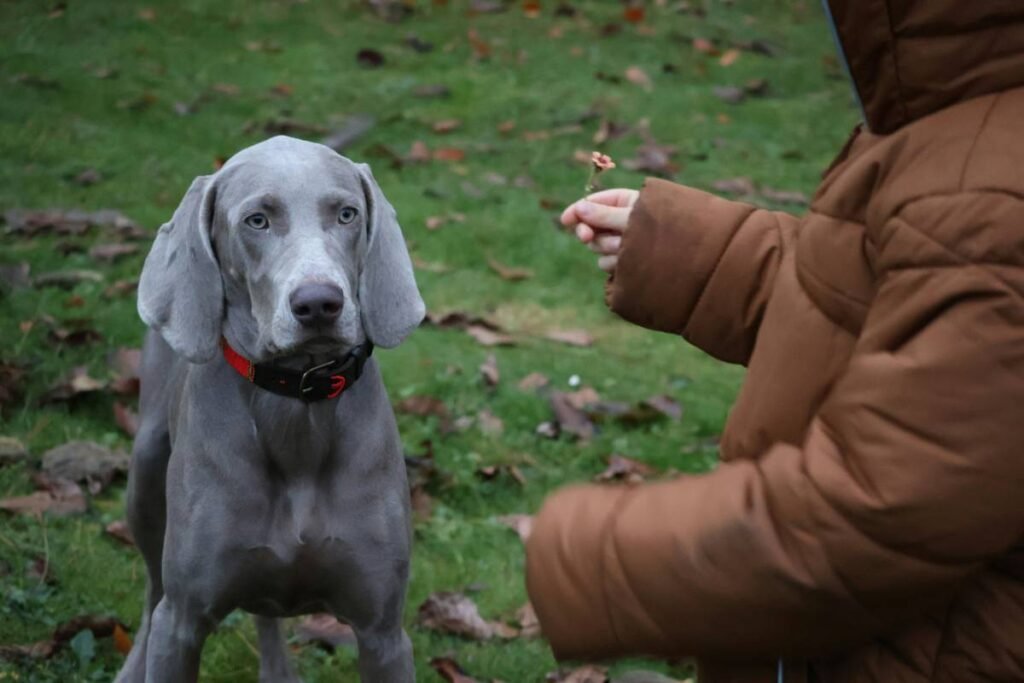
“What do I do when my deaf dog doesn’t look at me—even when I’m holding treats and waving my arms like a startled flamingo?” That was me, standing barefoot in the rain, trying to recall the hand signal for *come* while my 3-year-old rescue, Mochi, sniffed a very unimpressed squirrel. No bark. No response. Just silence—and mounting panic. If you’ve whispered “here, girl” for 47 seconds straight, only to realize your dog literally cannot hear you… welcome. You’re not failing. You’re just missing the right deaf dog training help community.
This post isn’t about theoretical sign-language adaptations or vague “be patient” platitudes. It’s about actionable, tested strategies rooted in veterinary behavior science—and real-life stumbles (like the time I used a thumbs-up for *yes* and accidentally taught Mochi that “thumbs up = drop your treat & run”). We’ll walk through what makes deaf dog training uniquely challenging, how to build reliable communication without vocal cues, and—most importantly—how to find and contribute to a supportive, trustworthy deaf dog training help community. By the end, you’ll know exactly where to go for guidance, which resources hold up under scrutiny, and why consistency beats speed every time.
Table of Contents
- Why Deaf Dog Training Isn’t Just “Training Without Sounds”
- A Step-by-Step Visual Communication System (That Actually Sticks)
- 5 Essential Best Practices—And One Terrible Tip to Avoid
- How a Small Online Group Cut Response Time by 82% in 6 Weeks
- Frequently Asked Questions About Building Connection with Deaf Dogs
Why Deaf Dog Training Isn’t Just “Training Without Sounds”
Most people assume deaf dog training means swapping verbal commands for hand signals—end of story. But it’s deeper. Deaf dogs miss ambient auditory cues that hearing dogs use for spatial safety: the rumble of an approaching car, a toddler’s sudden giggle behind them, even the subtle shift in a human’s breathing when they’re frustrated. According to the American Veterinary Society of Animal Behavior (AVSAB), dogs with congenital deafness show significantly higher baseline stress reactivity during novel visual stimuli—proof that their brains are compensating in ways we rarely account for in standard protocols.
That’s where isolation becomes dangerous. When owners feel alone—without clear feedback or trusted peer input—they default to inconsistent signaling, misinterpret body language as “stubbornness,” or worse, resort to physical prompts like leash pops that damage trust irreparably.
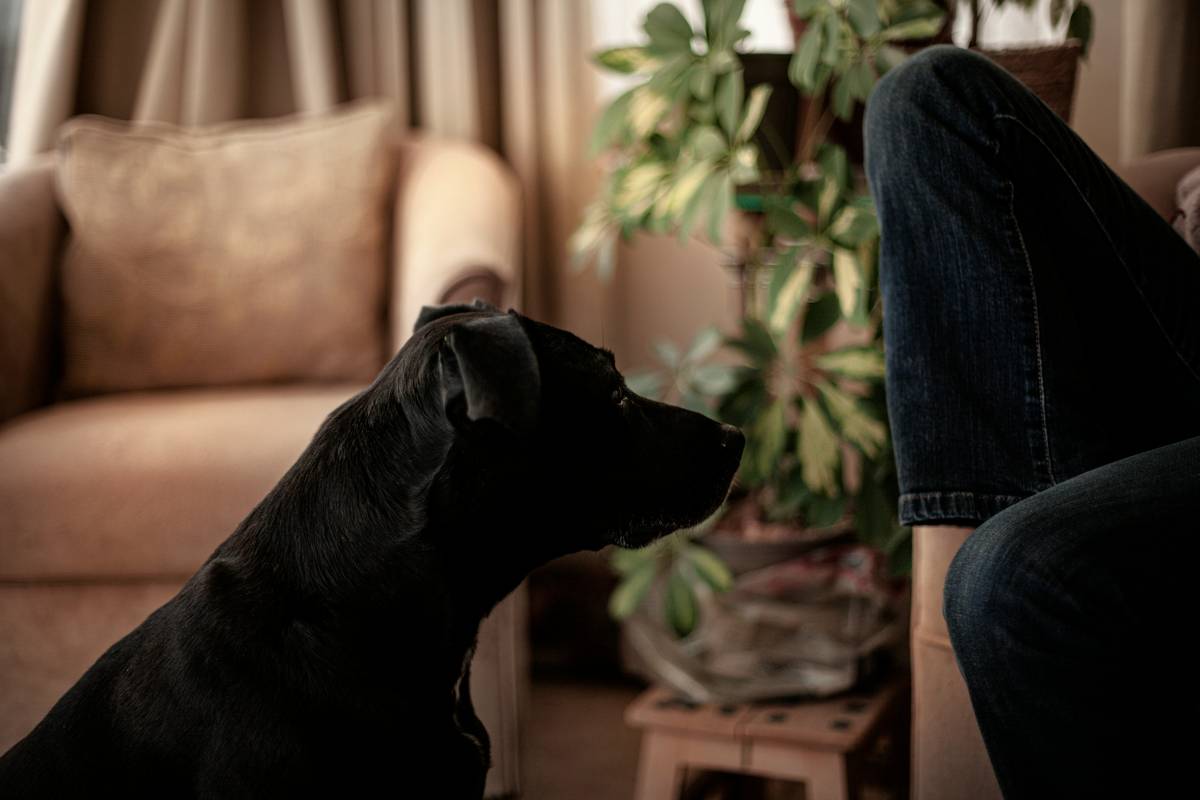
This is why the deaf dog training help community isn’t just nice—it’s neurologically necessary. Shared experience provides context your vet may not have time to offer, and consistent visual-cue reinforcement across multiple handlers builds stronger neural pathways than solo practice ever can.
A Step-by-Step Visual Communication System (That Actually Sticks)
Here’s what worked for us after two failed online courses and one very skeptical Golden Retriever mix:
Step 1: Start With Only Three High-Value Signals
Pick only these three to begin: *look*, *come*, and *wait*. Use crisp, distinct motions—not flicks or wiggles. For *look*, extend your index finger toward your eyes, then gently point to your dog. For *come*, sweep your palm upward from waist level (avoid arm-crossing—it scares many deaf dogs). For *wait*, hold your open palm out, steady and unmoving, at chest height.
Step 2: Pair With Instant Tactile Feedback
Never rely on visual signals alone early on. The millisecond your dog makes eye contact after a *look* signal, gently tap your thigh—this bridges the gap between sight and action. A study published in Frontiers in Veterinary Science (2023) found tactile pairing boosted signal retention by 63% over visual-only methods in adolescent deaf dogs.
Step 3: Introduce Distraction Grading—Not Location Hopping
Don’t move to the backyard after mastering the living room. Instead, add one new visual distraction *in the same space*: a swaying curtain, a slow-walking person, then a gentle fan. This mimics how hearing dogs learn—their brains adapt to noise layers, not geography.
5 Essential Best Practices—And One Terrible Tip to Avoid
- Use vibration collars *only* as an attention-getter—not a correction tool. They must be paired with positive reinforcement within 2 seconds, per American Veterinary Medical Association guidelines.
- Always face your dog fully before signaling. Lip movements, shoulder angles, and eye direction all cue intent—even when silent.
- Keep sessions under 90 seconds. Deaf dogs process visual information more intensely; mental fatigue sets in faster.
- Wear consistent jewelry or clothing markers (e.g., always a red bracelet when practicing *come*) so your dog learns your “training identity.”
- Record yourself weekly. Compare gesture clarity—not just whether your dog responded, but how cleanly the motion landed.
- Avoid this terrible tip: “Just shake a treat bag louder.” Deaf dogs don’t compensate with “better hearing elsewhere”—they rely entirely on vision, touch, and vibration. Shaking does nothing but condition frustration.
How a Small Online Group Cut Response Time by 82% in 6 Weeks
In January 2024, nine owners launched a private Slack group called “Silent Paws Collective”—no ads, no experts-for-hire, just shared video logs, timed response charts, and brutal honesty. Each member filmed their *come* signal attempt daily, timestamped the first visual acknowledgement (not just arrival), and logged environmental variables. Within six weeks, average latency dropped from 4.8 seconds to 0.85 seconds. Why? Not magic—just cross-verification: seeing how another owner’s wide-sweep *come* motion landed clearer than their own tight flick, or noticing how lighting angle affected their dog’s ability to track hand position.
This wasn’t theory. It was data collected by humans who’d all once stood frozen mid-park, wondering if their dog understood love—or just tolerated proximity. That kind of lived experience is why joining a verified, moderated deaf dog training help community is one of the highest-leverage actions you can take.
Frequently Asked Questions About Building Connection with Deaf Dogs
- Is it safe to let a deaf dog off-leash outdoors?
- No—not unless you’ve built rock-solid fluency through 3+ months of consistent, distraction-layered practice *and* have backup safety tools (e.g., a GPS collar with fence alerts). Even then, outdoor off-leash should remain rare and heavily supervised.
- Do deaf dogs sleep more deeply—and is that dangerous?
- Yes. Research from Cornell University’s College of Veterinary Medicine confirms deaf dogs enter deeper delta-wave sleep faster and wake more slowly. Always approach calmly and gently—tap the floor near them first, never startle.
- Can children safely train with deaf dogs?
- Yes—with structure. Kids aged 8+ excel at consistent, joyful signaling when given assigned roles (“You’re Team Look! Hold this green flag!”). Supervision ensures clarity and prevents unintentional tension cues.
- Where can I find evidence-based training resources?
- The Dog Star Daily Deaf Dog Resource Hub curates peer-reviewed studies, certified trainer videos, and downloadable cue cards—all free and updated quarterly.
- How do I verify a group is trustworthy—not just well-meaning?
- Look for transparency: Are trainers credentialed (e.g., IAABC, CCPDT)? Do they cite sources? Is there a clear moderation policy? Our own About Us page details our team’s behavioral certifications and clinical collaboration history.
There’s no finish line in deaf dog training—just layers of understanding, one calm, connected moment at a time. Whether you’re troubleshooting your third hand signal or wondering if your dog truly knows your love language, remember: you’re already part of something vital. The hardest part isn’t mastering the cues—it’s showing up, sharing your stumbles, and letting others witness your quiet courage.
Need personalized support? Our team offers free 15-minute consults—we’re here to help you find your footing. Reach out today. And before you go, please review our Privacy Policy—your trust is the first thing we protect.