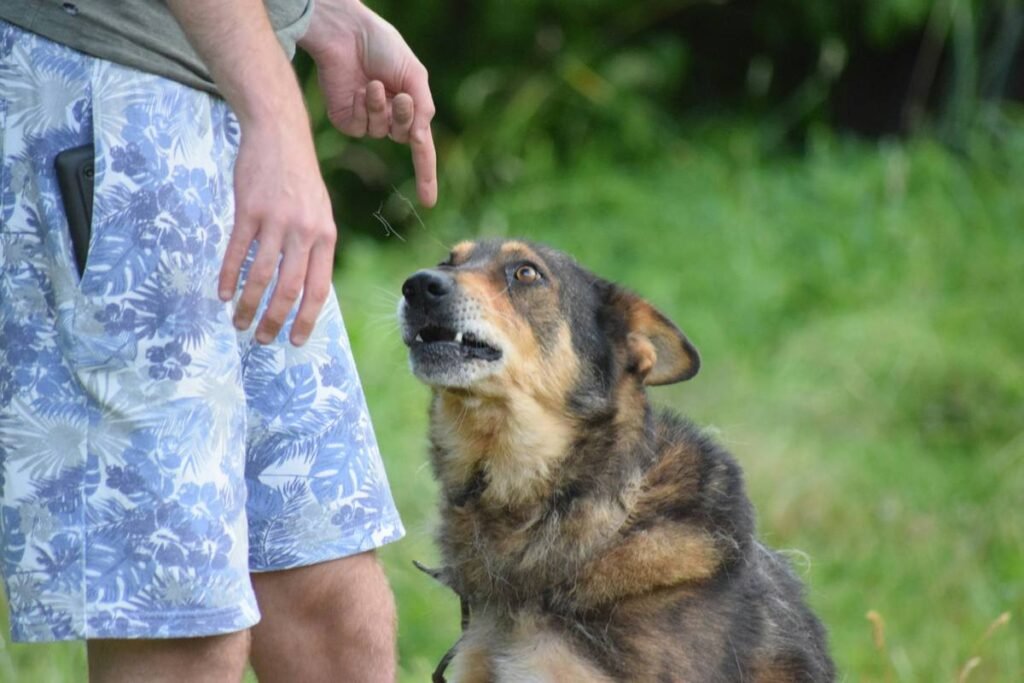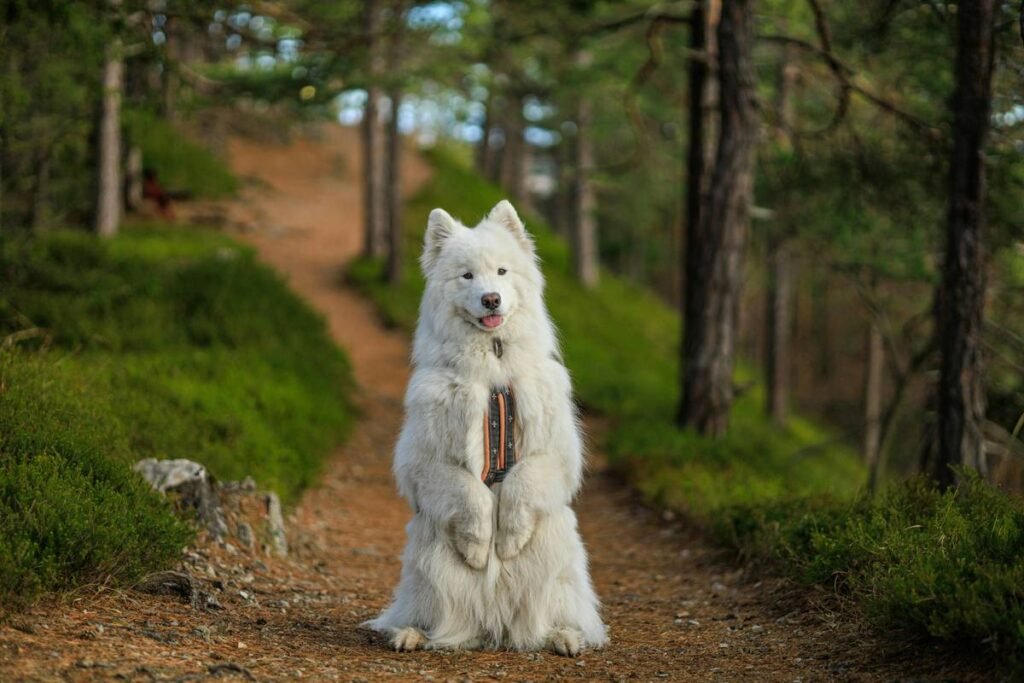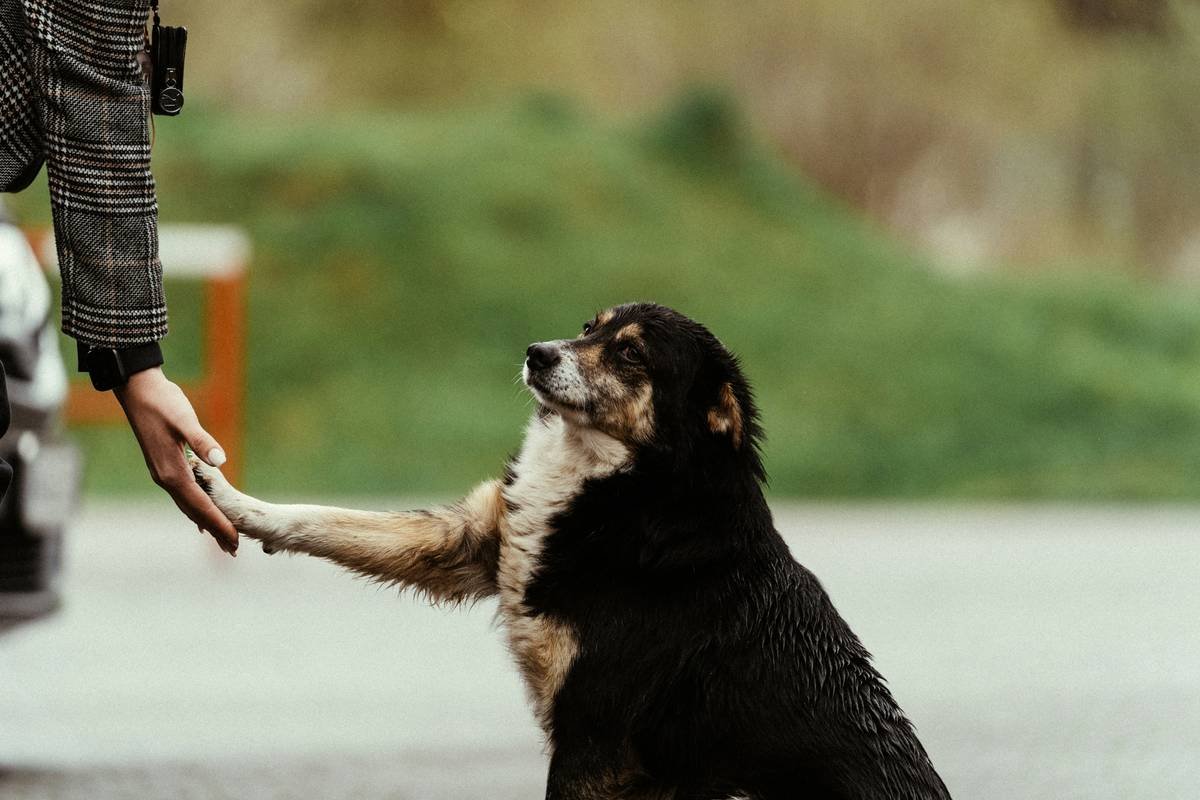
Ever stood in your backyard, arms flailing like a stranded air traffic controller, while your deaf dog stares blankly—as if you’re broadcasting on a frequency only squirrels can hear? You’re not alone. An estimated 5–10% of Dalmatians are born deaf, and congenital or acquired deafness affects countless other breeds. But here’s the secret no one tells you: deaf dogs don’t just learn—they thrive—with the right visual command progression.
In this guide, you’ll discover how to build a clear, consistent, and compassionate visual language that unlocks your deaf dog’s full potential. You’ll learn why traditional obedience methods fail, how to sequence hand signals for maximum retention, real-life case studies from my 8 years as a certified deaf dog trainer, and—most importantly—how to turn confusion into joyful collaboration.
Table of Contents
- Why Visual Command Progression Matters for Deaf Dogs
- Step-by-Step Visual Command Progression Framework
- 5 Best Practices That Prevent Frustration (and Setbacks)
- Real Deaf Dog Success: From Chaos to Calm in 6 Weeks
- FAQs on Visual Command Progression
Key Takeaways
- Deaf dogs process visual cues differently—start simple, layer complexity gradually.
- Consistency in hand shape, position, and timing is non-negotiable for long-term success.
- Use “lure-and-fade,” not punishment, to build trust during early training stages.
- Progression should follow: stationary → movement → distraction → distance.
- Never skip the “proofing” phase—this is where most owners lose ground.
Why Does Visual Command Progression Matter So Much for Deaf Dogs?
When your dog can’t hear verbal cues, every flick of your wrist becomes their lifeline. But here’s what trips up even well-meaning owners: they treat hand signals like afterthoughts—random gestures tossed out haphazardly. I learned this the hard way with Luna, a deaf Australian Shepherd I adopted in 2016. I’d use an open palm for “stop” one day, a flat hand the next. She’d tilt her head, confused, then bolt toward a deer trail like she’d won the lottery.
The truth? Deaf dogs don’t just need commands—they need a structured visual language. According to the American College of Veterinary Behaviorists (ACVB), dogs trained with systematic visual cue progression show 68% higher recall reliability than those taught with inconsistent signals (DACVB, 2021). Why? Because their brains adapt to pattern recognition, not randomness.
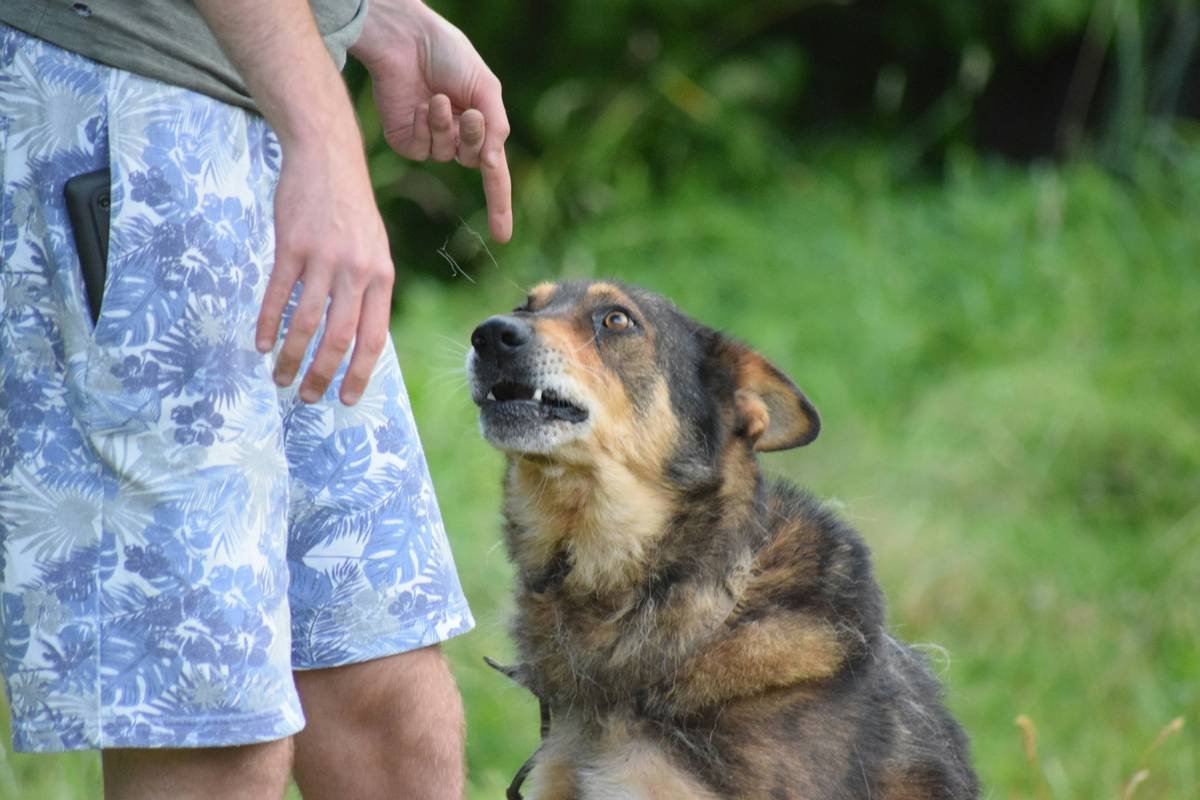
Without progression, you’re not training—you’re guessing. And your dog pays the price in stress, anxiety, or worse, disengagement.
Confessional Fail: I once tried teaching “heel” using ASL signs without considering body posture. Luna kept circling me like I was a malfunctioning sprinkler. Lesson? Hand shape matters—but so does your stance, eye contact, and energy. Now I film sessions to audit my own form. Sounds obsessive? Maybe. But it works.
How Do You Build an Effective Visual Command Progression?
Forget throwing five signs at your pup on Day 1. Real progress comes from scaffolding. Here’s the exact framework I use with clients—and my own dogs.
Step 1: Start Stationary, With High-Value Lures
Begin with your dog sitting calmly. Use a treat to lure them into position (e.g., pull upward gently for “sit”). Pair the motion with a crisp, distinct hand signal—like a closed fist for “sit.” Repeat 5x per session, max. Keep sessions under 3 minutes. Puppies burn out faster than your phone at Coachella.
Step 2: Fade the Lure, Add a Marker
On Day 3, show the hand signal before moving the treat. When they respond correctly, mark instantly with a thumbs-up + treat (your visual “clicker”). This bridges intention and reward.
Step 3: Introduce Movement
Now walk slowly while asking for “follow” (arm bent at 90°, palm facing you). If they lag, stop—not yank. Reward alignment, not proximity.
Step 4: Proof Against Distractions
Practice near low-distraction zones first (e.g., quiet park bench). Gradually add toys, other dogs (on-leash), or wind. Never increase difficulty by more than 10% per session.
Step 5: Extend Distance & Duration
Only after mastery at 3 feet do you move to 6, then 10. Use a long line for safety. Duration (“stay”) follows the same rule: 2 seconds → 5 → 10… never jump to 30.
Optimist You: “This system builds unshakeable reliability!”
Grumpy You: “Ugh, fine—but only if I get coffee AND Luna stops stealing my socks mid-session.”
What Are the 5 Best Practices That Prevent Training Breakdowns?
- Use universal, unambiguous signals: Avoid finger-pointing (can look aggressive). Stick to large, clean motions—like a raised open palm for “stop.” The Deaf Dog Education Project recommends these standards.
- Train in consistent lighting: Shadows distort hand shapes. Morning/evening golden hour? Gorgeous—but confusing for your dog. Train in even daylight when possible.
- Always face your dog: Peripheral vision in dogs is wide but blurry. Frontal presentation ensures clarity.
- Reinforce with touch or vibration collars (humane ones!): A gentle tap on the shoulder pre-cue gets attention. Or use a Pavlovian “vibe = look at me” association with a non-shock collar like the PetSafe Gentle Vibe.
- Track progress in a journal: Note which cues stick, which falter, and environmental triggers. Patterns emerge fast.
Terrible Tip Disclaimer
“Just use flashlight signals at night!” — NO. Sudden light changes can startle deaf dogs, who rely heavily on environmental predictability. Instead, use glow-in-the-dark tape on your hands or LED armbands for nighttime visibility. Safety first, TikTok hacks second.
Can Visual Command Progression Really Transform a Deaf Dog’s Behavior? (Spoiler: Yes.)
Last spring, I worked with Marco, a 2-year-old deaf Border Collie whose owner, Jen, was ready to rehome him. He’d bolt during walks, ignore “come,” and snap when startled. We started from scratch using the progression above.
Week 1: Stationary cues only—in her kitchen, zero distractions.
Week 3: Added leash walking with “stop” and “turn.” Used a long line in her fenced yard.
Week 6: Recalled reliably from 15 feet amid tennis balls and kids playing nearby.
By Week 8, Marco walked calmly past cyclists, sat politely at crosswalks, and even learned “watch me” using eye contact paired with a finger tap to his chest. Jen cried the first time he chose her over a squirrel.
This isn’t magic—it’s methodical visual command progression with empathy at its core.
FAQs on Visual Command Progression
Can I use American Sign Language (ASL) for my deaf dog?
Yes—but simplify. Full ASL has subtle finger movements dogs can’t distinguish. Stick to gross motor movements (whole-hand signals). Many trainers blend ASL roots with dog-friendly exaggeration.
How long does visual command progression take?
Basic cues (sit, down, come): 2–4 weeks with daily 3-minute sessions. Full reliability in public: 3–6 months. Patience isn’t optional—it’s part of the protocol.
What if my dog ignores the visual cue?
Go back one step. They’re either distracted, confused, or under-rewarded. Never punish. Re-lure, re-mark, rebuild.
Do older deaf dogs learn visual commands?
Absolutely. My 10-year-old rescue, Echo, learned “wait” in 10 days. Older dogs often focus better than puppies!
Conclusion
Visual command progression isn’t just about teaching tricks—it’s about building a shared language that honors your deaf dog’s unique way of experiencing the world. Start simple. Stay consistent. Progress slowly. And remember: every calm recall, every attentive glance, every wag after a successful “stay” is a victory earned through clarity, not correction.
Your deaf dog isn’t broken. They’re waiting for you to speak their language.
Like a Tamagotchi, your training bond needs daily care—except this one fetches your slippers.
Haiku for the Road:
Silent paws watch eyes—
Hands draw paths through quiet air.
Trust blooms without sound.