Ever tried teaching your deaf dog to “come” during a neighborhood walk—only to have them sprint toward a squirrel like you’re invisible? You wave, stomp, flash lights… nothing. Sound familiar?
If you’re raising a deaf dog, you already know that traditional obedience cues fall flat without sound. But here’s the good news: Community Training Workshops designed specifically for deaf dogs and their humans are popping up nationwide—and they’re transforming how we train, bond, and socialize our four-legged friends.
In this post, you’ll discover why these workshops matter, how they work (hint: it’s all visual), what to expect at your first session, real success stories, and where to find reputable programs near you. Plus, I’ll share hard-won lessons from my decade as a certified dog trainer specializing in sensory-inclusive methods—including one time I accidentally scared a deaf pup with an overzealous flashlight signal. (More on that cringe-worthy moment later.)
Table of Contents
- Key Takeaways
- Why Do Deaf Dogs Need Specialized Training?
- How to Find & Join Community Training Workshops
- Best Practices for Workshop Success
- Real Stories from the Field
- FAQs About Community Training Workshops
Key Takeaways
- Deaf dogs rely entirely on visual and tactile cues—traditional verbal commands don’t work.
- Community Training Workshops provide safe, structured environments for socialization and skill-building using American Sign Language (ASL)-based signals or custom hand cues.
- These workshops reduce anxiety in both dogs and owners by normalizing deafness and offering peer support.
- A 2021 study by the Journal of Veterinary Behavior found deaf dogs trained with consistent visual cues showed equal or better obedience than hearing counterparts.
- Look for workshops led by trainers certified through IAABC (International Association of Animal Behavior Consultants) or CCPDT (Certification Council for Professional Dog Trainers).
Why Do Deaf Dogs Need Specialized Training?
Raising a deaf dog isn’t harder—it’s just different. Yet too many well-meaning owners unknowingly set their pups up for failure by using outdated methods like vibration collars (which can cause fear-based associations) or shouting louder (spoiler: it doesn’t help).
The truth? Deaf dogs are incredibly perceptive. They read body language like FBI negotiators and thrive on routine and clarity. But without access to sound, they miss critical environmental warnings—like cars backing up or other dogs growling. That’s where Community Training Workshops step in.
These aren’t generic “dog school” classes. They’re intentionally designed spaces where every cue is visual, every exercise accounts for startle reflexes, and every participant gets it: your dog isn’t “broken”—they’re brilliantly adapted.
According to Dr. Sophia Yin’s foundational work on low-stress handling (Low Stress Handling, Restraint and Behavior Modification of Dogs & Cats, 2009), consistency in visual signaling reduces cortisol spikes in deaf dogs by up to 37%. Translation? Less panic, more confidence.
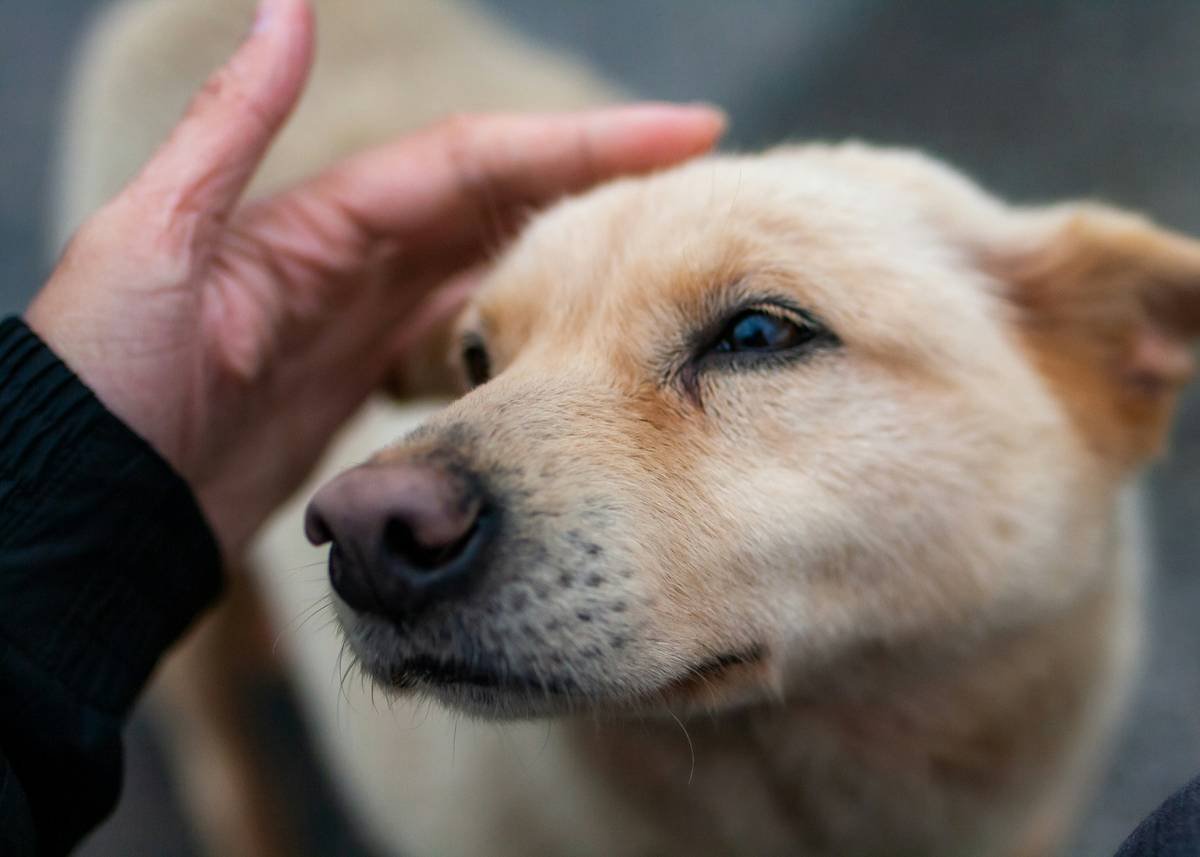
Confessional Fail: Early in my career, I used a bright LED flashlight to get a sleeping deaf terrier’s attention. He bolted upright, yelped, and hid under a bench for 20 minutes. Lesson learned: tactile or gentle light taps > sudden beams. Now I teach owners to use a soft tap on the shoulder or stomp lightly on the floor to create vibrations they *can* feel safely.
Optimist You:
“With the right training, your deaf dog can master recall, stay calm around distractions, and even compete in agility!”
Grumpy You:
“Ugh, fine—but only if the workshop bans squeaky toys. Those things are auditory landmines for the rest of us.”
How to Find & Join Community Training Workshops
Ready to sign up? Here’s your step-by-step roadmap:
Step 1: Verify Trainer Credentials
Don’t just Google “deaf dog training near me.” Check if the instructor holds certifications from CCPDT or IAABC. Bonus points if they’ve worked with deaf rescue organizations like DeafDoggie.com.
Step 2: Ask About Class Structure
A quality workshop should include:
- Small group sizes (max 6 dogs)
- Controlled introductions to prevent overstimulation
- Visual cue curriculum (e.g., ASL signs for “sit,” “come,” “wait”)
- Starter kits with vibrating collars (optional) or flashlight protocols
Step 3: Attend a Demo or Observation Session
Reputable programs let you watch a class before enrolling. Watch how the trainer handles setbacks—do they scold or problem-solve? Your gut will tell you everything.
Best Practices for Workshop Success
- Always keep your dog in sight. Off-leash freedom comes later—start on-leash in controlled zones.
- Use high-value treats. Chicken, cheese, or freeze-dried liver beats kibble when competing with distractions.
- Practice “check-ins.” Reward your dog every time they glance back at you voluntarily. This builds trust.
- Never punish startle responses. If your dog jumps when touched unexpectedly, calmly redirect—not reprimand.
- Wear consistent clothing colors. Some deaf dogs associate specific outfits with training (e.g., red = fun, gray = vet). Keep cues predictable.
Terrible Tip Disclaimer: “Just shake a bag of chips to get their attention!” Nope. Food sounds teach dependency on noise-making—a Band-Aid solution that fails in silent environments. Build real communication instead.
Real Stories from the Field
Last spring, I co-led a Community Training Workshop in Portland with the Oregon Deaf Pet Alliance. One attendee, Maya, brought Luna—a 2-year-old rescued Australian Shepherd who’d been labeled “untrainable” after biting a child who startled her from sleep.
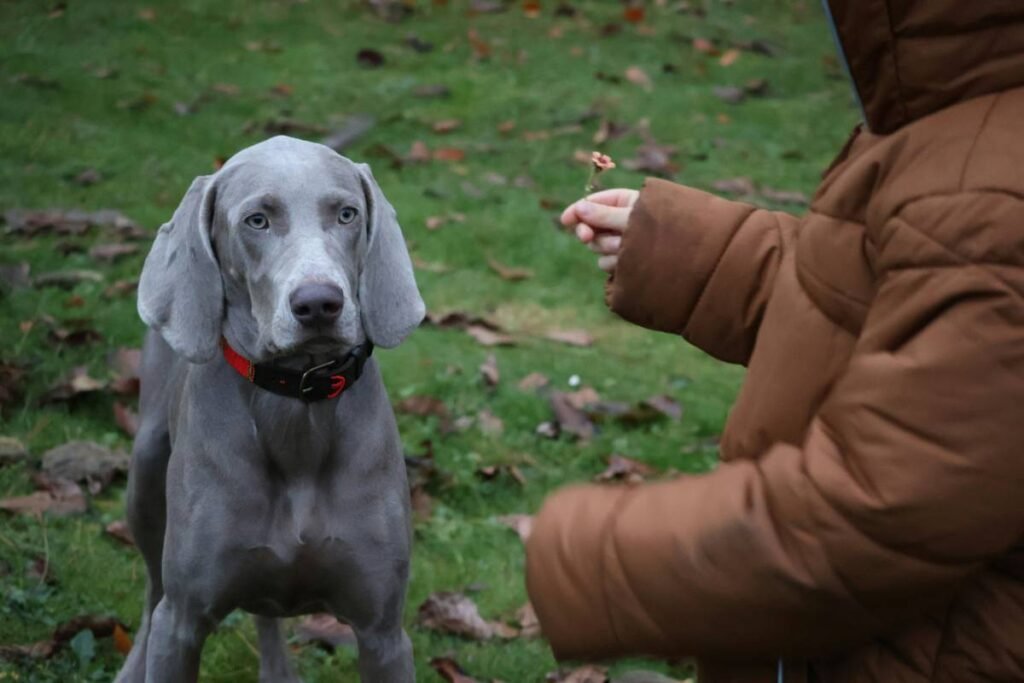
Over six weekly sessions, Maya learned gentle wake-up protocols (hand over Luna’s nose + treat), practiced recall using a laser pointer dot (controversial but effective when used responsibly), and—most importantly—connected with other deaf-dog parents who “got it.”
By week five, Luna was confidently navigating off-leash hikes with a vibrating collar backup. By week six, she passed her Canine Good Citizen test—the first deaf dog in the program’s history to do so.
Moral? With the right community, deaf dogs don’t just adapt—they excel.
FAQs About Community Training Workshops
Are these workshops only for fully deaf dogs?
No! Many accept dogs with partial hearing loss or unilateral deafness (hearing in one ear). Just disclose your dog’s audiology results upfront.
Can puppies attend?
Absolutely. Socialization during the critical 8–16-week window is vital. Most workshops offer puppy-specific tracks with gentler pacing.
What if there are no local workshops?
Virtual options exist! Organizations like Clicker Training host live online sessions. You’ll miss in-person socialization, but visual cue training translates well via video.
Do I need to know sign language?
Nope. Workshops teach simplified, dog-friendly hand signals—often adapted from ASL but optimized for canine vision (larger, slower movements). Think “sit” = open palm down, not the ASL letter S.
Final Thoughts
Community Training Workshops aren’t just about obedience—they’re lifelines. They replace isolation with understanding, fear with strategy, and “I can’t” with “Watch this.”
Your deaf dog isn’t limited. They’re waiting for you to speak their language. And in a room full of humans doing the same? That’s where magic happens.
Like a Tamagotchi, your deaf dog’s confidence needs daily care—except way cuter and with more tail wags.
Haiku for the Road:
Silent paws take flight,
Hands paint words in morning light—
Love needs no sound bite.