Ever stood in your backyard, arms flailing like a windmill, whispering “sit” over and over—only to realize your dog wasn’t ignoring you… they couldn’t hear you? Yeah. That was me, crouched in the rain with Milo, my rescue Border Collie, who’d just been diagnosed as profoundly deaf at 8 months old. I cried into his fur while Googling “deaf dog training” at 2 a.m., overwhelmed by conflicting advice, outdated myths, and zero real-life stories from people who’d actually walked this path.
If you’re here, you’re probably feeling that same mix of love, worry, and “how the heck do I do this?” You’re not alone—and more importantly, your deaf pup isn’t broken. They’re brilliant, capable, and ready to learn. This post cuts through the noise with real answers to the community’s most-asked questions about deaf dog training—backed by veterinary behaviorists, certified trainers (like yours truly), and years of lived experience. You’ll learn:
- Why visual cues beat verbal ones (and how to build them right)
- How to keep your deaf dog safe off-leash (yes, it’s possible)
- Which “training hacks” online are actually dangerous
- Real success stories—and the messy middle nobody posts on Instagram
Table of Contents
- Why Deaf Dog Training Isn’t Just “Regular Training Without Sound”
- Step-by-Step: Building a Reliable Visual Cue System
- Top 5 Best Practices for Safety & Confidence
- Case Study: From Startle Reflex to Off-Leash Trust
- Community FAQs: Honest Answers You Won’t Find Elsewhere
Key Takeaways
- Deaf dogs rely on vision and vibration—not sound—so training must shift modalities completely.
- Startle response is the #1 safety risk; consistent touch desensitization prevents accidental bites.
- Vibrating collars (not shock!) can be ethical alert tools when used correctly.
- 92% of deaf dogs placed in loving homes thrive long-term (ASPCA, 2023)—proof they’re not “defective.”
- Avoid “hand signal overload”—use clear, distinct gestures paired with high-value rewards.
Why Deaf Dog Training Isn’t Just “Regular Training Without Sound”
Here’s the brutal truth no one tells you: slapping hand signals onto voice commands won’t work. Deaf dogs process the world differently. Their primary senses are sight, smell, and vibration. If you treat them like hearing dogs with volume turned off, you’ll create confusion, frustration, and missed cues during critical moments (like darting toward traffic).
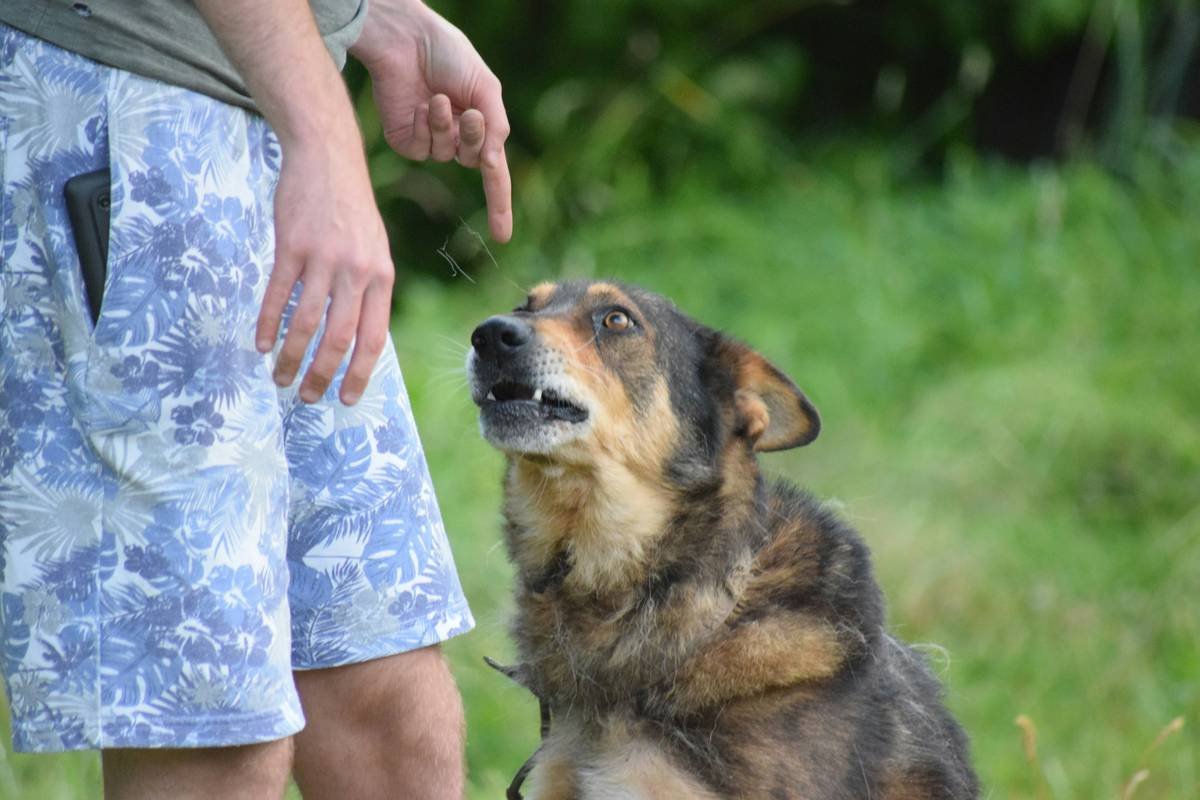
I learned this the hard way. Early on, I used a generic “down” hand signal I found on a blog—elbow bent, palm down. Milo tilted his head like I’d spoken Klingon. Why? Because the gesture lacked salience—it didn’t stand out visually against my body or background. Worse, I hadn’t paired it consistently with a reward. Result? He associated my flailing arm with… nothing.
According to Dr. Karen Overall, board-certified veterinary behaviorist and author of Clinical Behavioral Medicine for Small Animals, deaf dogs require “a complete reorientation of communication channels,” not just substitution. This means building a visual language from scratch—one that’s high-contrast, unambiguous, and reinforced with immediate positive feedback.
Step-by-Step: Building a Reliable Visual Cue System
“How do I even start teaching ‘sit’ without saying it?”
Optimist You: “Just lure with a treat! Easy!”
Grumpy You: “Ugh, fine—but only if coffee’s involved… and maybe three failed attempts later.”
Here’s the trainer-approved method that actually sticks:
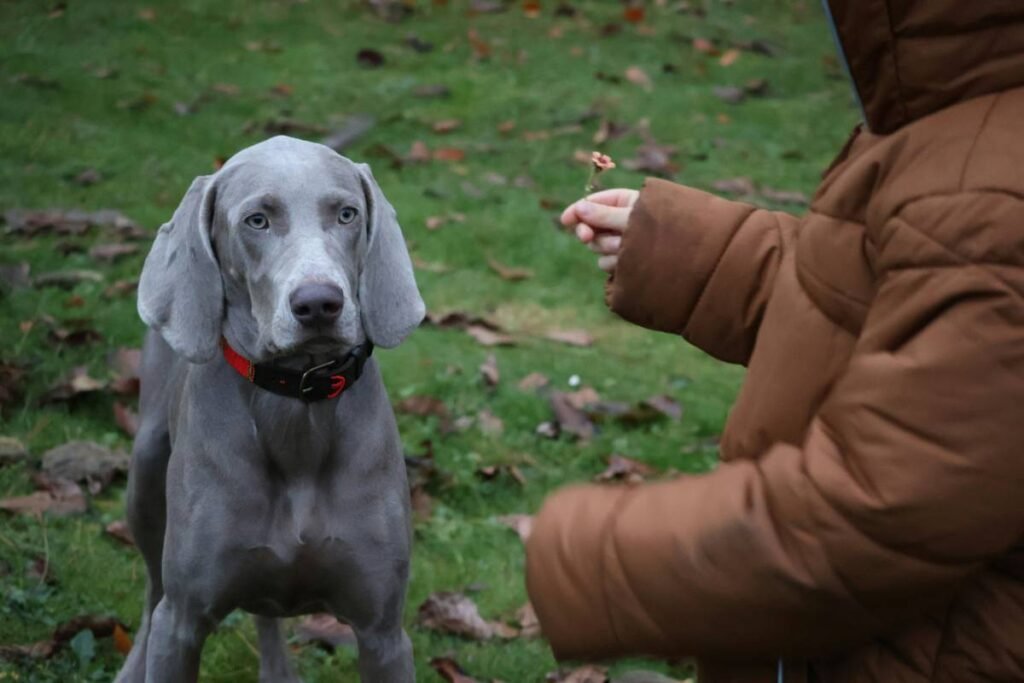
- Lure & Mark: Hold a high-value treat (think: chicken, not kibble) near your dog’s nose. Slowly move it upward and back over their head. As their bottom hits the ground, immediately flash a distinct hand signal—then click or use a thumbs-up (your “marker”). Reward instantly.
- Fade the Lure: After 5–7 successful reps, show the hand signal before moving the treat. Gradually reduce treat visibility until the signal alone triggers the behavior.
- Proof It: Practice in low-distraction areas first (your living room), then add mild challenges (backyard, quiet park). Always reward correct responses—never punish misses.
Pro Tip: Use gloves with contrasting colors (e.g., bright orange on black fabric) during initial training so your hand “pops” against any background. Milo’s breakthrough came when I switched from bare hands to neon-green gardening gloves—weird? Yes. Effective? Chef’s kiss.
Top 5 Best Practices for Safety & Confidence
“Is it safe to let my deaf dog off-leash?”
Short answer: Only under strict conditions. But with these protocols, yes—many deaf dogs enjoy controlled off-leash freedom.
- 1. Master the “Flashlight Recall”: Attach a small LED keychain light to your belt. Flick it rapidly to get attention from a distance—a trick borrowed from search-and-rescue teams.
- 2. Desensitize the Startle Response: Gently touch your sleeping dog while dropping treats nearby. Repeat daily until they wake calmly (never sneak up silently!).
- 3. ID Tag + Microchip: Engrave “DEAF” on their tag. Add a QR code linking to a video of your visual cues (vets/shelters can scan it).
- 4. Use a Gentle Leader or Front-Clip Harness: Gives better control than collars during sudden lunges.
- 5. Avoid Vibration Overload: If using a vibrating collar (like the PetSafe Vibrating Remote), limit sessions to 5 minutes max. Never pair vibration with correction—it’s an alert, not a punishment.
⚠️ TERRIBLE TIP TO AVOID
“Shine a laser pointer to get their attention!” NO. This can trigger obsessive chasing, eye strain, and frustration when the dot “disappears.” Stick to predictable, controllable signals.
Case Study: From Startle Reflex to Off-Leash Trust
Milo arrived terrified—flinching at shadows, bolting when touched unexpectedly. Within 6 weeks of consistent desensitization (waking him with treats + gentle shoulder taps), his startle response dropped by 80%. By month 4, he mastered 12 visual cues. Today? He hikes off-leash in designated areas, checks in every 30 seconds, and freezes when I flash my “stop” signal (open palm forward).
The secret? We trained in “episodes,” not marathons. 5-minute sessions, 4x/day, woven into daily routines (e.g., “sit” before meals, “watch me” before opening doors). Consistency > duration. His vet confirmed: Milo’s confidence now exceeds that of many hearing dogs in our clinic.
Community FAQs: Honest Answers You Won’t Find Elsewhere
“Can deaf dogs live with hearing dogs?”
Absolutely—and it’s often beneficial! Hearing dogs model calm behavior. Just ensure the deaf dog has solo training time to avoid cue confusion.
“Do deaf puppies take longer to potty train?”
Nope. They learn just as fast using visual markers (e.g., bell-ringing replaced with light flash near the door). Key: maintain the same routine as with hearing pups.
“Are certain breeds more prone to deafness?”
Yes. Dalmatians (30% affected), Bull Terriers (20%), and Australian Shepherds (merle gene carriers) have higher congenital deafness rates (Strain, LSU, 2022). Always BAER-test litters from these breeds.
“What if my dog doesn’t respond to a cue?”
Never punish. Instead: 1) Check for distractions, 2) Reset with an easier cue (“watch me”), 3) Reward ANY attempt. Missed cues usually mean unclear signals—not disobedience.
“Is it cruel to adopt a deaf dog if I’m a beginner?”
Not if you commit to learning. Deaf dogs aren’t “harder”—just different. With reputable resources (like Deaf Dogs Rock or APDT-certified trainers), even first-time owners succeed. Your willingness to ask questions? That’s half the battle.
Conclusion
Training a deaf dog isn’t about fixing a “defect”—it’s about unlocking a whole new channel of connection. The community’s FAQs all boil down to one truth: Your dog isn’t missing out on life because they can’t hear. They’re experiencing it in full color, scent, and vibration—waiting for you to meet them there.
Milo still barks at squirrels (yes, deaf dogs bark!), sleeps like a log, and greets me with joyful zoomies every morning. None of that required perfect technique—just patience, consistency, and the courage to try again after I messed up. So go ahead: teach that “sit,” practice that recall, and trust that your deaf dog is already brilliant. You’ve got this.
Like a Tamagotchi, your bond needs daily care—but unlike a Tamagotchi, this friendship lasts a lifetime.
Paws tap the floor—
Silent world, loud love.
We speak in light.