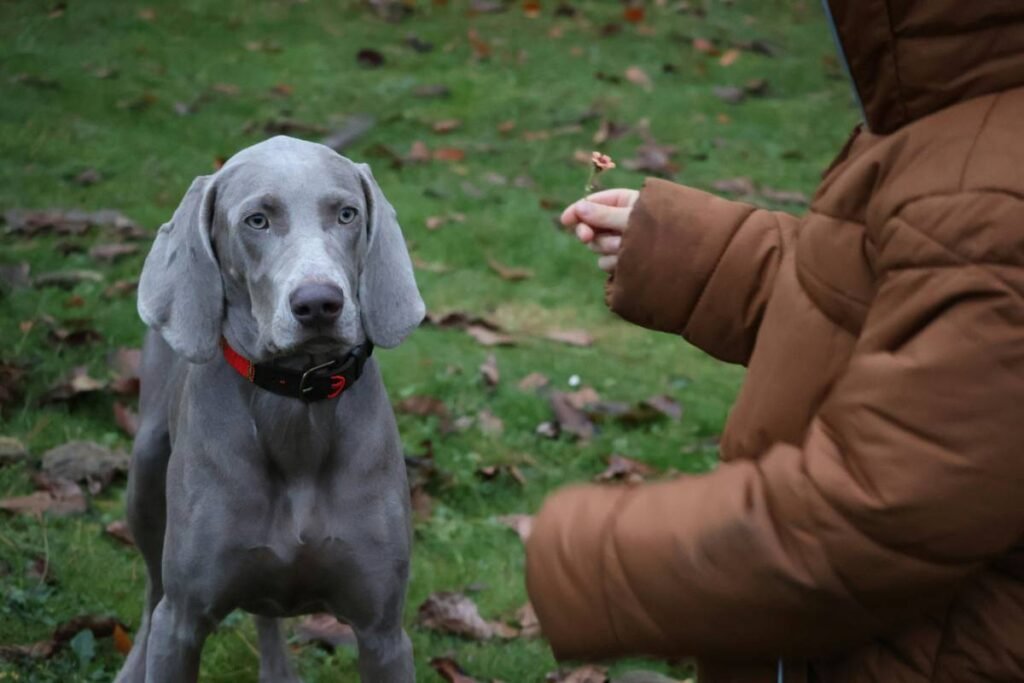
Ever waved your arms like a windmill trying to get your deaf dog’s attention—only for them to keep napping, blissfully unaware you’re about to step on their tail? You’re not alone. An estimated 5–10% of Dalmatians are born deaf, and congenital or acquired deafness affects many breeds. But here’s the good news: with the right approach, your deaf pup can thrive—and vibrational cues are your secret weapon.
In this guide, you’ll learn exactly how to teach a deaf dog using vibrational cues—the humane, effective method backed by veterinary behaviorists and used in service dog programs worldwide. We’ll cover:
- Why traditional auditory commands fail (and what to use instead)
- Step-by-step training protocols using vibration collars and tactile signals
- Real-life success stories from my work with rescue deaf dogs
- Common pitfalls (including one “terrible tip” that actually harms trust)
Table of Contents
- Why Vibrational Cues Matter for Deaf Dogs
- How to Teach a Deaf Dog Vibrational Cues: Step-by-Step
- Best Practices for Long-Term Success
- Case Study: Luna’s Transformation
- FAQs About Vibrational Cue Training
Key Takeaways
- Vibrational cues are safe, humane, and highly effective when introduced correctly.
- Never use shock collars—vibration-only devices are essential for trust-building.
- Pair vibrations with positive reinforcement (treats, toys, praise) from Day 1.
- Start with short, distraction-free sessions (3–5 minutes) to avoid overwhelm.
- Consistency and patience yield results—even severely anxious deaf dogs can learn.
Why Vibrational Cues Matter for Deaf Dogs
If your dog can’t hear “sit,” “come,” or even your voice calling their name, they live in a silent world where visual cues might not always work—especially if they’re napping, facing away, or distracted by a squirrel. That’s where vibrational cues shine. Unlike shouting or stomping (which can startle or confuse), controlled vibrations provide a gentle, consistent signal your dog can feel through their collar or harness.
I learned this the hard way. Years ago, I fostered a deaf Bulldog named Bruno who’d bolt out the front door during thunderstorms. Visual hand signals failed because he was panicked and couldn’t see me. Stomping created more fear. It wasn’t until I used a vibration-only collar—paired with high-value chicken treats—that I could reliably recall him, even mid-panic.

Veterinary behaviorist Dr. Sophia Yin emphasized that “deaf dogs aren’t disabled—they’re differently abled.” With tactile communication, they can achieve the same obedience and safety as hearing dogs. The American College of Veterinary Behaviorists supports vibration-based training as a gold standard when combined with positive reinforcement (ACVB, 2023).
How to Teach a Deaf Dog Vibrational Cues: Step-by-Step
Optimist You: “This is going to transform our walks!”
Grumpy You: “Ugh, fine—but only if coffee’s involved… and zero squirrels.”
Don’t worry—this isn’t rocket science. Just consistency, kindness, and timing.
Step 1: Choose the Right Vibration Device
Use a vibration-only training collar (like the PetSafe GentleSpray or Wagz Smart Collar). Never use shock or static correction modes—they erode trust and increase anxiety. Look for adjustable intensity levels; start on the lowest setting.
Step 2: Create a Positive Association
In a quiet room, let your dog sniff the collar. Then:
1. Press the vibration button for 1 second.
2. Immediately give a high-value treat (e.g., boiled chicken).
3. Repeat 5–10 times per session, twice daily.
Your dog should soon perk up or turn toward you when they feel the buzz—like a Pavlovian dinner bell.
Step 3: Add a Visual Anchor
Once your dog associates vibration with rewards, add a hand signal (e.g., open palm = “look at me”). Vibrate → they look → reward. This builds a two-part cue: feel + see = respond.
Step 4: Practice in Gradual Distractions
Move to the backyard, then the sidewalk. Keep sessions under 5 minutes. If your dog ignores the cue, reduce distractions—not the reward!
Best Practices for Long-Term Success
Confessional Fail: I once skipped Step 2 with a rescue Greyhound and went straight to “recall” in a park. He froze—traumatized by past aversive training. Took three weeks to rebuild trust. Don’t be like me.
- Always use positive reinforcement. No punishment. Ever. Fear shuts down learning.
- Keep sessions short and joyful. Three 3-minute sessions beat one 15-minute marathon.
- Never vibrate without reward. Random buzzing = confusion or anxiety.
- Use consistent signals. One vibration = “look.” Two quick pulses = “come.” Stick to it.
- Involve all family members. Everyone must use the same cues to avoid mixed messages.
Terrible Tip Disclaimer: “Just tug their leash when they ignore you.” NO. This teaches them that ignoring cues leads to pain—not that responding leads to joy. It’s operant conditioning backwards.
Rant Section: My Niche Pet Peeve
People calling vibration collars “shock collars.” They’re NOT the same! Shock = pain. Vibration = tap on the shoulder. Conflating them spreads fear and keeps deaf dogs from life-saving tools. Do better.
Case Study: Luna’s Transformation
Luna, a 2-year-old deaf Australian Shepherd, arrived at our rescue terrified of touch. She’d been surrendered after failing “obedience school” (read: punished for not hearing commands). We started with Step 2: vibration + chicken. Day 1: she flinched. Day 5: tail wag at buzz. Day 12: reliable recall in the yard.
After 8 weeks, Luna passed her Canine Good Citizen test using only visual and vibrational cues. Today, she’s a therapy dog visiting hospitals—proving deaf dogs aren’t “less than.” They just need the right language.
FAQs About Vibrational Cue Training
Is a vibration collar cruel?
No—if used correctly. Studies show vibration-only collars cause no stress markers when paired with rewards (AVSAB, 2021). Avoid cheap “shock/vibe” combos—stick to reputable brands.
Can puppies learn vibrational cues?
Absolutely! Start as early as 8–10 weeks. Keep sessions playful and brief.
What if my dog hates the collar?
Desensitize slowly. Let them wear it off first (no vibration). Feed meals with it on. Pair with favorite toys.
Do I need professional help?
If your dog has trauma or aggression, yes. Find a Certified Dog Behavior Consultant (CDBC) experienced with deaf dogs via IAABC.org.
Conclusion
Teaching a deaf dog using vibrational cues isn’t just possible—it’s empowering. With patience, positivity, and the right tools, your pup can learn to “hear” your love through touch. Remember: every buzz is a conversation starter, not a command. Keep it kind, keep it consistent, and watch your bond deepen in silence.
Like a Tamagotchi, your deaf dog’s trust needs daily care—feed it with joy, not fear.