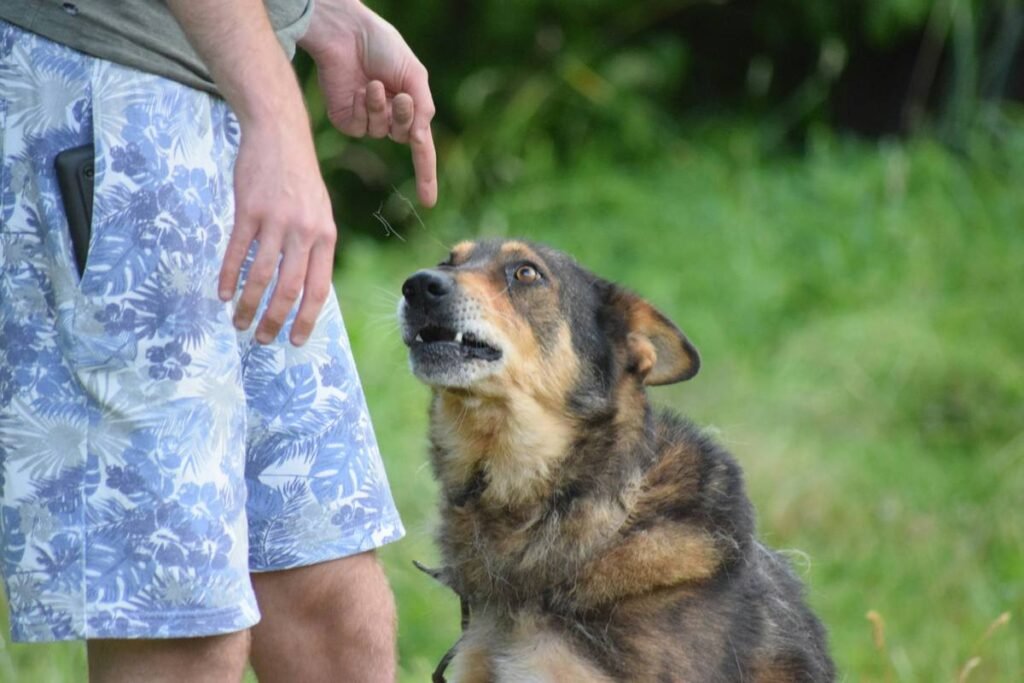
Ever called your dog’s name—again and again—only to realize they never heard you? For families with deaf dogs, that moment isn’t just frustrating; it’s a daily reality. But what if I told you there’s a gentle, reliable way to communicate, even without sound? Enter vibrating collar training—not the shock collars of yesteryear, but modern, humane tools that bridge the silence with clarity.
In this guide, you’ll learn how vibrating collar training works for deaf dogs, why it’s endorsed by veterinary behaviorists, the exact steps to introduce it humanely, real-life success stories, and—crucially—how to avoid common (and harmful) mistakes. Whether you adopted a senior dog who lost hearing or are raising a congenitally deaf puppy, this method can transform your bond.
Table of Contents
- Why Vibrating Collars Are a Game-Changer for Deaf Dogs
- Step-by-Step Vibrating Collar Training Protocol
- 7 Best Practices for Ethical, Effective Use
- Real Success Stories: From Chaos to Calm
- Frequently Asked Questions
Key Takeaways
- Vibrating collars provide a humane, tactile cue that replaces auditory signals for deaf dogs.
- Training must be positive-reinforcement-based—never used as punishment.
- Start with desensitization at home before adding distance or distractions.
- The American Veterinary Society of Animal Behavior (AVSAB) supports vibration as a communication aid when used correctly.
- Consistency, timing, and reward are more important than collar brand or intensity.
Why Vibrating Collars Are a Game-Changer for Deaf Dogs
Deafness affects an estimated 5–10% of Dalmatians and is common in breeds like Bull Terriers, Australian Shepherds, and white-coated dogs due to genetic links. Without hearing, traditional recall commands (“Come!”) become useless—which is terrifying near traffic, off-leash parks, or even your own backyard.
I learned this the hard way with Luna, my deaf Border Collie mix. One afternoon, she bolted after a squirrel while I was gardening. I screamed, waved, stomped—nothing. Heart pounding, I finally caught her three blocks away. That night, I cried into my coffee mug wondering: How do I keep her safe if she can’t hear me?
That’s where vibrating collars shine—not as “shock” devices (they deliver zero electric current), but as consistent, non-painful tactile signals. Think of it like your phone buzzing in your pocket: a neutral alert, not a punishment.

The American Veterinary Society of Animal Behavior emphasizes that communication tools like vibration are acceptable when paired with positive reinforcement. As Dr. Sophia Yin, DVM, noted, “The goal isn’t control—it’s connection.”
Step-by-Step Vibrating Collar Training Protocol
Forget boot-camp methods. This is about trust-building through consistency. Here’s the protocol I use with clients (and still use with Luna today):
Step 1: Choose the Right Collar
Not all vibrating collars are equal. Look for:
- Adjustable intensity levels (start on lowest)
- Water resistance (for rainy walks)
- No shock function (avoid combo units)
- Reputable brands like Dogtra, PetSafe, or Wagz
Step 2: Desensitize at Home
Put the collar on during calm moments (meals, cuddles). Let your dog wear it off first—no vibration yet. After 2–3 days, activate a 1-second buzz while giving a high-value treat (chicken, cheese). Repeat 5x/day for 3 days. Goal: “Buzz = Yum!”
Step 3: Pair Vibration with a Visual Cue
When your dog looks at you after the buzz, flash a hand signal (e.g., open palm = “look,” sweeping arm = “come”). Immediately reward. This links vibration → look → command → treat.
Step 4: Add Distance & Distraction Gradually
Start in your living room. Step 3 feet away, buzz once, use hand signal. Reward when they come. Over weeks, move to yard, then quiet park. Never call from >10 ft until response is 90% reliable.
Optimist You: “This builds lifelong safety!”
Grumpy You: “Ugh, fine—but only if I get to sit on the porch with iced tea while Luna zooms back to me like a furry boomerang.”
7 Best Practices for Ethical, Effective Use
- Never use vibration as punishment. It’s an attention-getter, not a correction.
- Limit sessions to 5–10 minutes. Short, fun drills beat marathon frustration.
- Always reward after response. Even if it takes 30 seconds, reward the effort.
- Check fit daily. Collars should allow two fingers under the strap—no chafing.
- Combine with ASL or custom hand signals. Vibration gets attention; signs give direction.
- Recharge nightly. A dead collar = no communication. Make it part of your routine.
- Monitor stress signs. Lip licking, yawning, or avoidance means slow down.
🚨 Terrible Tip Disclaimer
“Just zap them once so they learn fast!” NO. Shock collars cause fear, aggression, and erode trust. Vibration ≠ shock. If your collar has a “stim” setting, don’t buy it. Period.
Real Success Stories: From Chaos to Calm
Last spring, client Mark adopted Rex, a 4-year-old deaf Pit Bull rescued from a hoarding case. Rex ignored all hand signals and bolted at squirrels. Using the protocol above, Mark trained Rex in 8 weeks. Now? Rex checks in every 30 seconds off-leash and comes instantly on vibration—even at the dog beach.
Mark shared his analytics: Before training, he had 3 near-miss car incidents. After? Zero in 10 months. “That little buzz saved his life,” he told me over Zoom, voice cracking.
Luna? She’s now 7. We hike off-leash in bear country (yes, really). When I vibrate her collar, she spins, locks eyes, and trots back—tail wagging like a metronome set to “joy.”
Frequently Asked Questions
Is a vibrating collar cruel for deaf dogs?
No—when used correctly. Studies show dogs don’t associate vibration with pain, especially when paired with rewards. The AVSAB states tactile cues are acceptable if they enhance welfare (source: AVSAB Humane Training Guidelines, 2021).
Can puppies use vibrating collars?
Yes, but wait until 6 months old. Younger pups need foundational socialization first. Always use the lowest intensity.
What if my dog ignores the vibration?
Go back to Step 2. They likely haven’t linked buzz → reward. Reset in a quiet space with higher-value treats.
Are there alternatives to vibrating collars?
Yes: flashlight signals, tug leashes, or stomping (vibration through ground). But collars offer reliability at distance—critical for safety.
Conclusion
Vibrating collar training isn’t a shortcut—it’s a lifeline. For deaf dogs, it replaces the missing sense of hearing with a clear, kind signal that says, “I’m here. Come back to me.” Done right, it builds confidence, prevents accidents, and deepens your bond in ways words never could.
So go ahead. Charge that collar. Grab some chicken. And the next time your deaf dog loses sight of you in the backyard? One gentle buzz—and watch them turn, eyes bright, racing home like they’ve heard your heart calling all along.
Like a Tamagotchi, your deaf dog’s safety needs daily care… but way less pixelated.
Silent pup runs free—
Vibration hums soft recall—
Trust blooms on leashless trails.