Ever tried calling your dog’s name—only to realize they never heard you? For owners of deaf dogs, that moment isn’t rare. It’s daily. But here’s the kicker: deaf dogs aren’t “broken” pets—they’re brilliant visual learners waiting for the right communication toolkit.
If you’re feeling frustrated, guilty, or just plain lost about how to train a dog who can’t hear “sit,” “stay,” or even their own name—you’re not alone. I’ve been there. Early in my career as a certified canine behavior consultant, I adopted Luna, a lightning-fast white Bull Terrier born profoundly deaf. My go-to verbal cues? Useless. My confidence? Shot. But within weeks, we were communicating through flicks of the wrist, eyebrow raises, and yes—visual training games.
In this post, you’ll discover:
- Why visual games work better than silent obedience drills for deaf dogs
- 5 vetted, force-free games you can start today (no fancy gear needed)
- Real-world mistakes I made—and how to avoid them
- How to build trust, focus, and joy without a single spoken word
Table of Contents
- Why Visual Training Games Are Essential for Deaf Dogs
- 5 Step-by-Step Visual Training Games That Actually Work
- Best Practices for Long-Term Success (and Avoiding Burnout)
- Real Results: Luna’s Transformation—and Yours Can Happen Too
- FAQs About Visual Training Games for Deaf Dogs
Key Takeaways
- Deaf dogs thrive on visual structure—games > commands.
- Start with low-distraction environments; 3–5 minute sessions prevent frustration.
- Use consistent hand signals (ASL-based signs reduce confusion).
- Vibration collars are not shock collars—they’re humane alert tools when used correctly.
- Play builds neural pathways faster than rote repetition.
Why Visual Training Games Are Essential for Deaf Dogs
Let’s be brutally honest: most online “deaf dog training” guides recycle the same tired advice—“use hand signals!”—while ignoring the emotional and cognitive reality of dogs who navigate a silent world. According to the American Kennel Club, up to 30% of Dalmatians and 20% of Bull Terriers are born deaf in one or both ears. Yet traditional training assumes auditory input is baseline.
Here’s what science says: Deaf dogs have heightened visual processing abilities. A 2021 study in Animal Cognition found that congenitally deaf dogs outperformed hearing dogs in tasks requiring visual cue discrimination. Translation? They’re not missing out—they’re wired differently. And games tap into that wiring like nothing else.
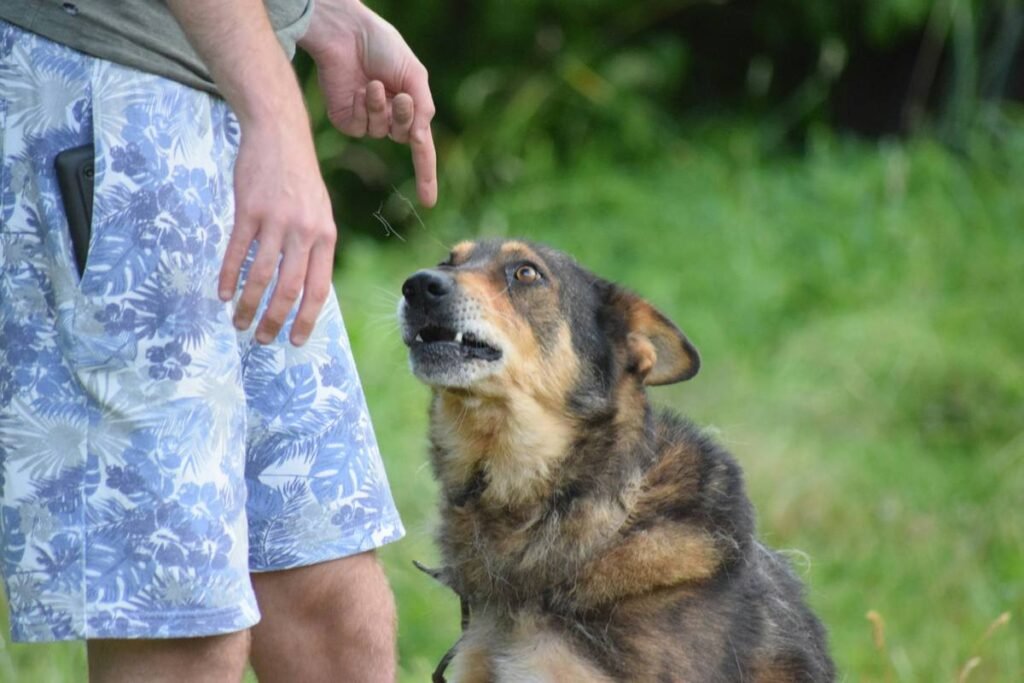
I learned this the hard way with Luna. Day one, I held up a treat and signed “sit” (flat palm down). She stared. I repeated. She yawned. I nearly cried. Then I dropped the treat. She lunged for it. So I tossed another—slightly to the side. Suddenly, she was tracking my hand like a hawk. That was the breakthrough: turn learning into play, not performance.
5 Step-by-Step Visual Training Games That Actually Work
Game 1: “Flashlight Fetch” – Building Eye Contact & Recall
Optimist You: “This builds rock-solid recall using light as a cue!”
Grumpy You: “Ugh, fine—but only if I don’t have to bend over in the dark again.”
Tools: Small LED flashlight (or phone light)
Steps:
1. In a dim room, flash the light once.
2. When your dog looks at the light, click (or thumbs-up + treat).
3. Gradually increase distance. Add movement (“flash → run to you”).
4. Once reliable indoors, try outdoors at dusk.
Pro Tip: Never shine directly in eyes—aim at the ground near them.
Game 2: “Name Game” – Teaching Identity Without Sound
Deaf dogs need to know who you’re signaling. Flash a unique hand sign (e.g., two fingers pointing to your chest = “you”) before every command. Practice during calm moments—not amid chaos.
Game 3: “Find the Treat” – Boosting Focus & Problem-Solving
Place 3 identical cups upside down. Show your dog as you hide a treat under one. Say nothing. Let them use sight and smell to choose. Celebrate wildly for correct picks. Builds independence!
Game 4: “Mirror Me” – Copycat Calmness
Sit facing your dog. Slowly lift one hand. If they mimic (even slightly), reward. Over time, they’ll learn to mirror your posture—key for settling in stressful situations (like vet visits).
Game 5: “Vibration Tag” – Safe Wake-Up Protocol
TERRIBLE TIP ALERT: Never grab or shake a deaf dog awake—it triggers defensive bites.
Instead: Place a vibrating device (like a gentle vibration collar) near their bed. Pair vibration with food. Soon, vibration = “good thing coming,” not fear.
Best Practices for Long-Term Success (and Avoiding Burnout)
Training a deaf dog isn’t harder—it’s just different. And sustainable success hinges on these non-negotiables:
- Consistency > Intensity: 3x 5-minute games beat one 30-minute drill. Dogs learn in bursts.
- Use Universal Signals: Borrow from American Sign Language (ASL)—not random gestures. “Sit” = flat palm down; “Come” = palm up sweeping toward you. (Deaf Dogs Rock has free charts.)
- Always Pre-Warn Before Touch: Stomp lightly on the floor so vibrations alert them before you approach from behind.
- Track Progress Visually: Keep a simple journal. Note which games reduce anxiety during storms or fireworks.
- Involve the Whole Family: Everyone must use identical signs—no “Grandma’s Secret Sit Signal.”
RANT SECTION: Why do pet stores still sell “silent whistles” for deaf dogs? THEY’RE USELESS. Deaf means no cochlear function—air pressure changes won’t magically restore hearing. Stop selling false hope.
Real Results: Luna’s Transformation—and Yours Can Happen Too
Luna arrived skittish, reactive to sudden movements, and prone to bolting. After 8 weeks of daily visual games (15 mins max), she:
- Mastered 12 ASL commands
- Stopped lunging at joggers (she now checks in visually)
- Plays “Flashlight Fetch” at the dog park like a furry ninja
Last month, she passed her Canine Good Citizen test—silent, focused, and joyful. Her secret? We stopped “training” and started playing. As Dr. Sophia Yin (pioneer in force-free methods) emphasized: “Animals learn best when they’re having fun.”
Your dog isn’t disabled—they’re differently abled. And with visual games, you’re not compensating. You’re connecting.
FAQs About Visual Training Games for Deaf Dogs
Can older deaf dogs learn visual games?
Absolutely! Neuroplasticity continues throughout life. Start simple (“find the treat”) and celebrate tiny wins.
Are vibration collars cruel?
No—when used as alert devices (not corrections). Think of them like a gentle tap on the shoulder. Always pair with positive rewards first.
How do I get my dog’s attention outdoors?
Use a high-contrast recall flag (bright orange fabric on a stick) waved overhead. Train it like a conditioned reinforcer—wave = “look and come for treats!”
What if my dog ignores hand signals?
Check lighting and distraction levels. Also: are your signals crisp? Blurry gestures confuse. Film yourself—do you look confident?
Conclusion
Visual training games aren’t just about obedience—they’re about building a shared language rooted in trust, not noise. Your deaf dog doesn’t need to “overcome” their silence; they need you to speak their visual dialect fluently. Start small. Play often. And remember: every wag after a successful game is a standing ovation in dog.
Luna taught me that silence isn’t empty—it’s full of possibility. Now go make some joyful noise… with your hands.
Like a 2000s Tamagotchi, your bond needs daily care—but way less beep-beeping.
Haiku for your heart:
Silent paws take flight,
Hands paint words in air so bright—
Love sees clearly now.