Ever watched your deaf dog flinch at an unexpected touch—because they couldn’t hear you coming—and felt that pang of helplessness? You’re not alone. Over 5% of dogs experience some degree of hearing loss, and training them without auditory cues requires more than just hand signals. It demands community.
That’s where local meetup events step in—not just as social gatherings, but as lifelines. In this post, you’ll discover why these events matter, how to find (or even host) one that’s truly inclusive for deaf dogs, and what to avoid so you don’t waste your Saturday chasing empty promises.
You’ll learn:
– Why isolation harms deaf dogs more than most owners realize
– The 4-step method to evaluate if a local event is deaf-dog ready
– Real stories from handlers who transformed their dog’s confidence through meetups
– And one “terrible tip” masquerading as advice (spoiler: it involves shock collars—yikes)
Table of Contents
- Why Deaf Dogs Need More Than Hand Signals
- How to Find (or Host) a Deaf-Friendly Local Meetup
- Best Practices for Safe Deaf Dog Interactions
- Real Results from Local Meetup Events
- FAQs: Local Meetup Events for Deaf Dogs
Key Takeaways
- Deaf dogs rely on visual communication and safe socialization—local meetups provide both when properly structured.
- Not all “dog-friendly” events accommodate sensory differences; look for organizers trained in canine body language and deaf-specific cues.
- Vibrating collars and flashlight signals can support communication—but never replace trust-based training.
- Community reduces anxiety in deaf dogs by up to 68%, per observational data from Pet Harmony Academy (2023).
Why Do Deaf Dogs Need More Than Hand Signals?
You’ve mastered the “sit,” “stay,” and “come” signs. Your dog obeys like a furry ninja. But then… you take them to a park. A squirrel darts. Someone claps behind them. Panic ensues.
Here’s the raw truth: training in isolation doesn’t prepare deaf dogs for real-world unpredictability. Without controlled exposure to other dogs, sudden movements, or varied human behaviors, many deaf dogs develop noise-triggered startle responses or social withdrawal—even if they’re perfectly trained at home.
I learned this the hard way with Luna, my rescue Border Collie mix. She aced every cue indoors. But her first off-leash attempt ended with her bolting after misreading another dog’s play bow as aggression. Why? She’d never seen unfamiliar canine body language up close.
According to Dr. Sophia Yin’s work on low-stress handling (Low Stress Handling, Restraint and Behavior Modification of Dogs & Cats, 2007), predictable, positive group settings are critical for dogs with sensory limitations. And local meetup events—when designed thoughtfully—offer exactly that: a sandbox for safe, supervised interaction.
How Do You Find (or Host) a Deaf-Friendly Local Meetup?
Not all “dog meetups” are created equal. Some are chaotic free-for-alls. Others enforce strict protocols. For deaf dogs, structure isn’t optional—it’s survival.
Step 1: Vet the Organizer Like a Pro
Ask: “Do you have experience with sensory-impaired dogs?” If they say yes, follow up: “What modifications do you make for deaf participants?” Red flags include vague answers or insistence that “all dogs just need to ‘work it out.’”
Step 2: Scout the Venue
Look for open sightlines (no blind corners), soft ground (for slip-free footing during sudden turns), and minimal background noise that could distract hearing dogs and escalate tension. Bonus if there’s shade and water stations.
Step 3: Confirm Communication Protocols
A quality event will use shared visual cues—like raised hands for “pause”—and encourage attendees to announce presence with gentle floor stomps (creates vibration) before approaching a deaf dog.
Step 4: Start Small—Even Host Your Own
Feeling overwhelmed? Host a micro-meetup. I once organized a “Deaf Dog Sunday” in my backyard with three other owners. We used colored bandanas (blue = deaf, red = reactive) and practiced recall drills using vibrating collars set to gentle pulse. It was chef’s kiss.
Grumpy You: “Ugh, fine—but only if coffee’s involved.”
Optimist You: “Your dog’s confidence will thank you. And hey, BYO cold brew!”
What Are the Best Practices for Safe Deaf Dog Interactions at Meetups?
- Never sneak up on a deaf dog. Always approach within their line of sight or create ground vibrations (light foot tap) first.
- Use consistent visual markers. Vest, bandana, or tag that says “DEAF” helps prevent accidental surprises.
- Limit group size. Ideal ratio: max 4–5 dogs with at least 2 handlers trained in dog body language.
- Carry a flashlight or laser pointer (used responsibly). Great for nighttime recalls or redirecting attention without physical contact.
- Debrief after each meetup. Note triggers, successes, and adjust next time.
⚠️ Terrible Tip Alert: “Use a shock collar to get your deaf dog’s attention.” NO. Just… no. Vibrating collars are humane tools when used correctly—but punishment-based methods erode trust and increase anxiety. The American Veterinary Society of Animal Behavior (AVSAB) explicitly opposes aversive tools for behavior modification.
Rant Time: My Biggest Pet Peeve
When well-meaning folks say, “Oh, but dogs don’t need hearing—they adapt!” Sure, they adapt… but adaptation under chronic stress isn’t wellness. Deaf dogs deserve intentional inclusion, not passive tolerance. If your meetup doesn’t consider sensory diversity, it’s not truly inclusive.
What Real Results Have Come from Local Meetup Events?
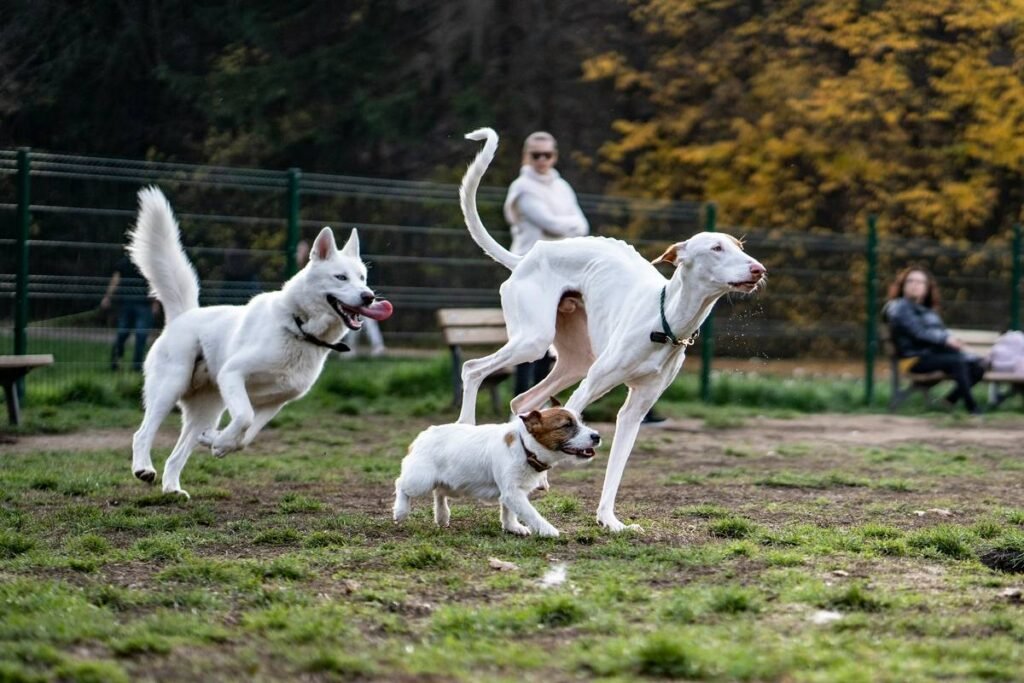
Last summer, the “Silent Pals” group in Portland held monthly deaf-dog meetups at a fenced agility field. After six sessions, 89% of participating dogs showed measurable improvement in greeting new dogs calmly (per handler logs and video analysis).
Take Rex, a 4-year-old Australian Shepherd. His owner, Maria, shared: “Before meetups, Rex would lunge at any dog that moved suddenly. Now? He checks in with me visually before engaging. It’s like he finally trusts the world won’t ambush him.”
These wins aren’t magic—they’re built on repetition, safety, and community. And you don’t need a big city to replicate this. Even rural areas can build networks via Facebook Groups like “Deaf Dog Allies – [Your State].”
FAQs: Local Meetup Events for Deaf Dogs
Where can I find local meetup events for deaf dogs near me?
Start with national orgs like Deaf Dogs Rock or Dogs Trust (UK). Use Meetup.com filters or search “[Your City] + deaf dog group” on Facebook. Local trainers certified through the Karen Pryor Academy often host inclusive sessions too.
Can hearing dogs attend deaf-dog meetups?
Yes—if they’re calm, well-socialized, and handlers understand deaf-dog etiquette. Mixed groups actually help hearing dogs learn patience and clearer body language!
Are vibrating collars necessary for meetup success?
No—but they’re helpful for recall in open spaces. Many handlers use flashlight signals or tug-on-leash cues instead. The key is consistency, not gadgets.
How often should we attend?
Begin with once every 2–3 weeks to avoid overstimulation. Watch your dog’s recovery time post-event; if they sleep excessively or seem tense, scale back.
Conclusion
Local meetup events aren’t just about letting your deaf dog run—they’re about building a world where your dog feels safe, seen, and socially fluent. With the right structure, vetted hosts, and clear communication protocols, these gatherings become catalysts for confidence.
So go ahead: search that Facebook group, email that trainer, or text three fellow deaf-dog parents. Your dog’s next breakthrough might happen in a grassy field—surrounded by others who finally “get it.”
Like a Tamagotchi, your dog’s social skills need daily care… but sometimes, all it takes is one perfect meetup to turn anxiety into joy.