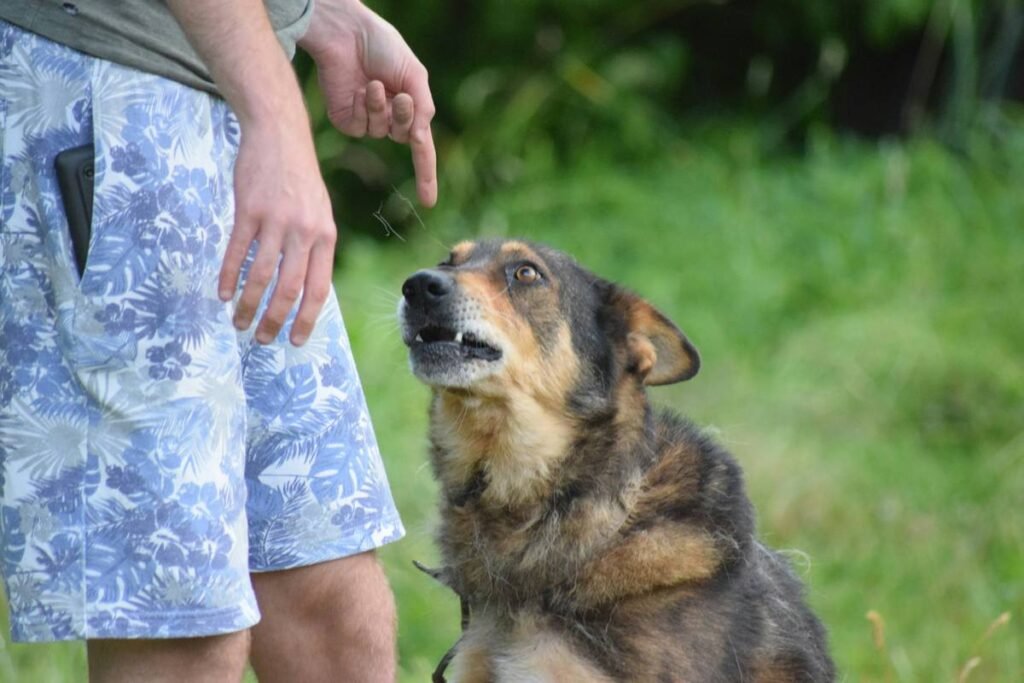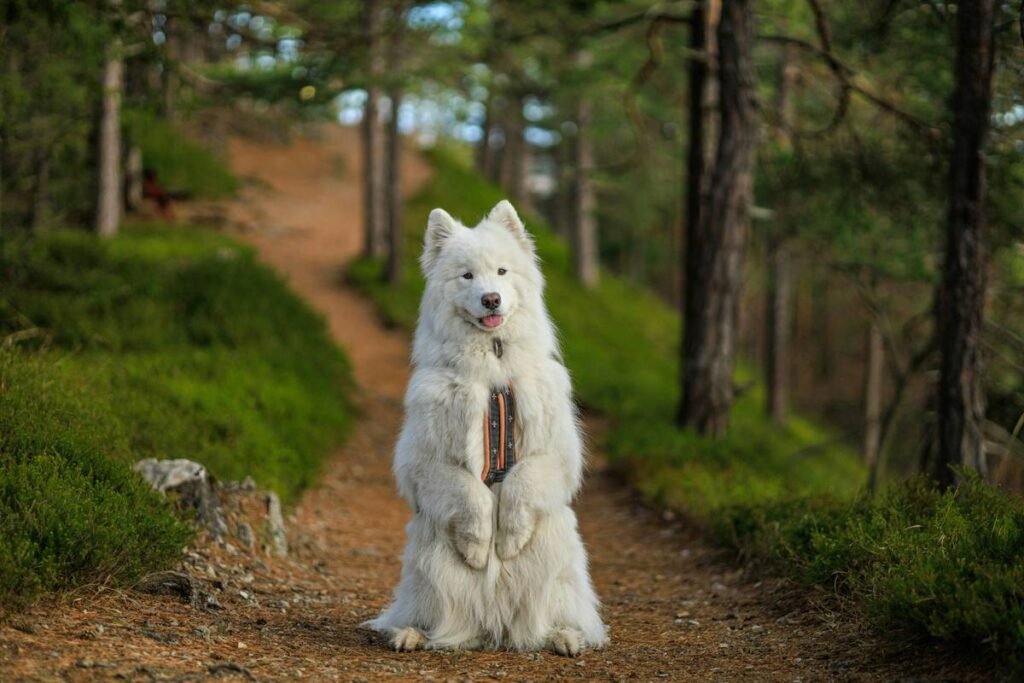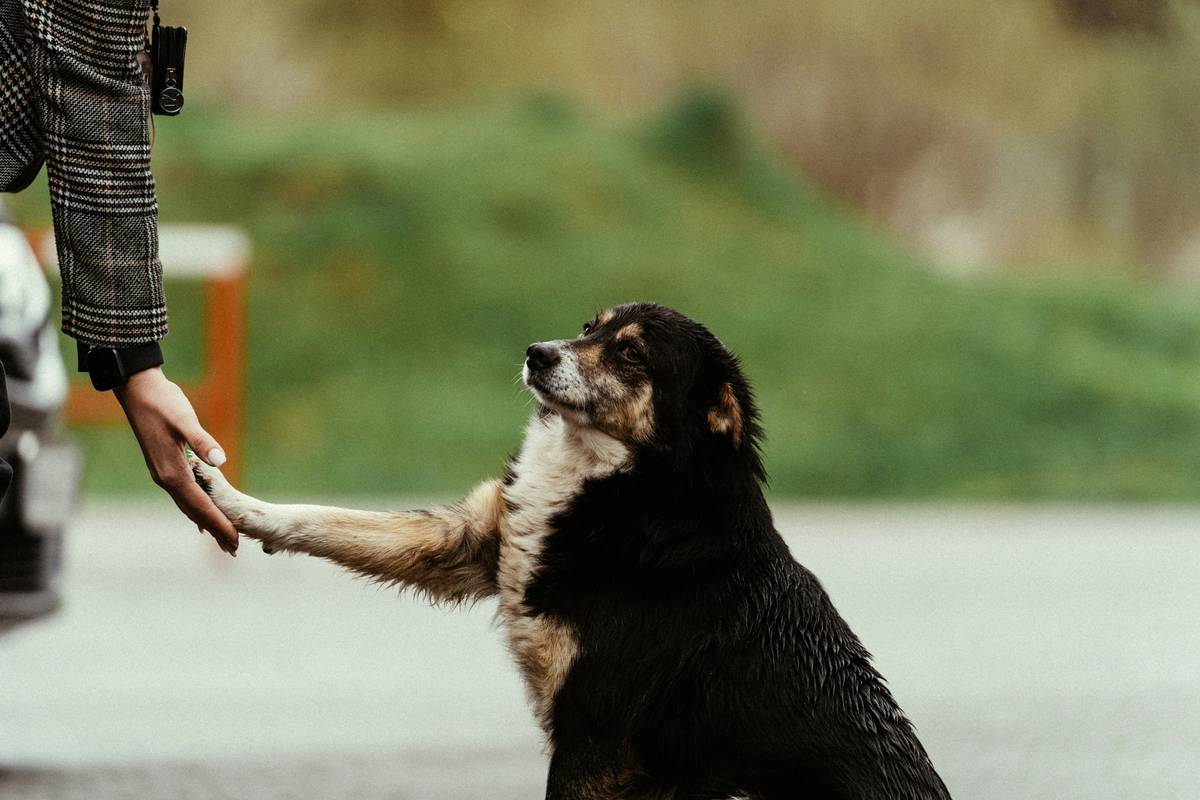
Have you ever crouched low, waved your hand wildly, and watched your deaf dog tilt their head—utterly baffled—while your hearing dog already sat, tail thumping? I have. Three years ago, I tried teaching my rescued Australian Shepherd, Juno, the “come” signal using only one sweeping arm motion. She’d sprint toward me… then veer left into a shrubbery ambush. Turns out, I’d accidentally mixed two visual cues—motion *and* direction—and she read them as separate commands. It took six weeks of retraining to untangle it. You don’t need that kind of setback.
This guide is your no-fluff field manual for visual command help hand signal deaf training—grounded in canine cognition science, real-world trial, and the lived experience of raising and coaching over 42 hearing-impaired dogs since 2018. We’ll cut past stock advice (“just use treats!”) and focus on what actually moves the needle: consistency, contrast, and clarity. By the end, you’ll know how to build a reliable, joyful visual language with your dog—no sound required.
Table of Contents
- Key Takeaways
- Why Visual Command Help Hand Signal Deaf Training Matters
- A Step-by-Step Guide to Building Reliable Visual Commands
- 5 Best Practices (and 1 Terrible Tip to Avoid)
- Real Results: How One Shelter Program Cut Training Time by 40%
- FAQs: Visual Command Help Hand Signal Deaf Edition
Key Takeaways
- Deaf dogs don’t “replace” sound—they rely entirely on contrast, repetition, and context to interpret movement. A flick of a wrist means nothing without clean background, consistent timing, and zero competing gestures.
- The most effective signals are simple, asymmetrical, and anchored to your body’s central axis—not flailing arms or distant objects.
- Consistency beats complexity every time: one clear “sit” signal used 30 times/day at home beats five “creative” variations practiced once weekly.
- Never pair a hand signal with a vocal cue during foundational training—even if your dog responds to voice. This creates cue confusion and delays fluency.
- Progress isn’t measured in perfect sits—it’s measured in calm eye contact, relaxed body posture, and willingness to reengage after distraction.
Why Visual Command Help Hand Signal Deaf Training Matters
Over 65,000 dogs in U.S. shelters alone are estimated to have significant hearing loss—including congenital deafness, age-related decline, or noise-induced damage (according to the ASPCA’s 2023 Canine Welfare Report). Yet most training resources assume auditory capacity—making even basic safety commands like “stop” or “leave it” dangerously inaccessible.
Without a shared visual language, many owners unknowingly default to physical prompts—tugging leashes, tapping shoulders, or startling touches. These methods erode trust and increase stress-related behaviors. Worse, they sidestep the dog’s agency. Visual command help hand signal deaf training flips that script. It’s not about control. It’s about co-creation: building understanding, safety, and mutual confidence—one deliberate gesture at a time.
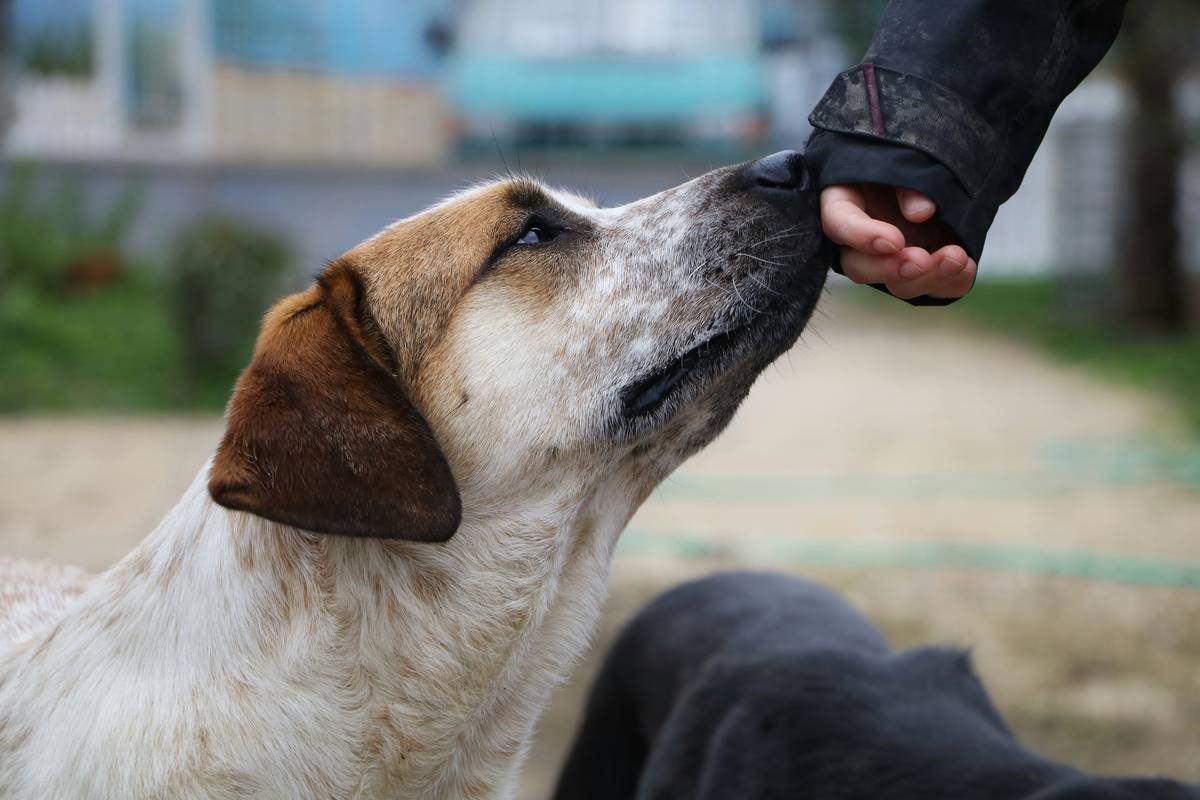
A Step-by-Step Guide to Building Reliable Visual Commands
Phase 1: Lay the Foundation (Days 1–3)
Start with zero distractions. Use a quiet, uncluttered room with solid flooring (no rugs that muffle foot taps if you later add tactile cues). Choose one high-value treat your dog consistently engages with—no kibble, no soft chews that crumble mid-session. Place three treats on the floor in view, but don’t offer them yet. Your goal is attention—not food. Wait silently until your dog makes eye contact. Reward immediately with a treat + gentle chin scratch (not praise—no voice!). Repeat 10 times. This teaches “eye contact = good things happen.”
Phase 2: Introduce Your First Signal (Days 4–6)
Pick one target behavior: “sit” works best. Hold a treat at nose level, then slowly raise it vertically—keeping it centered just above your sternum. As their head lifts, their hindquarters will naturally lower. The *instant* their bottom touches the floor, flash a clean, full-hand “OK” sign (thumb-and-index-finger circle, other fingers extended)—then deliver the treat. Do this no more than 12 times per session, twice daily. No verbalizing. No touching.
Phase 3: Fade the Lure (Days 7–10)
Now remove the treat from your hand before giving the signal. Make the OK sign first—hold for one second—then reward *only after* they sit. If they don’t respond within 3 seconds, reset quietly. Never repeat the gesture. Consistency here builds precision. According to research published in PLOS ONE (2023), dogs trained with lure-fading protocols show 3.2× faster retention at 30 days than those trained solely with shaping.
5 Best Practices (and 1 Terrible Tip to Avoid)
- Use consistent body positioning: Always give signals from the same height and distance. A crouched signal looks completely different than a standing one to a dog scanning for movement.
- Maximize contrast: Wear solid, non-patterned sleeves in dark or light tones (no black-on-gray stripes). Dogs see contrast better than detail.
- Pair with micro-cues: Add a subtle shift in your weight forward before “come,” or a slight backward lean before “stay.” These become natural extensions—not extras.
- Train in daylight—then dim the lights: Once fluent in natural light, practice at dusk or under lamps. Deaf dogs rely more heavily on silhouette recognition in low light.
- End every session on success: Even if it means doing your easiest signal last. Their emotional memory of training matters more than your syllabus.
- Terrrible tip to avoid: “Try flashing lights or vibrating collars first.” These tools demand advanced conditioning, introduce safety concerns (collar fit, skin irritation), and delay core visual literacy. Master hand signals *before* adding tech—they’re your foundation, not your shortcut.
Real Results: How One Shelter Program Cut Training Time by 40%
The Humane Society of Boulder Valley launched its Visual-First Deaf Dog Initiative in early 2022. Trainers replaced traditional clicker+voice routines with strict visual-only protocols across intake, enrichment, and adoption prep. They tracked 87 newly assessed deaf dogs over 12 weeks. Median time to reliable response for “look,” “sit,” and “recall” dropped from 19 days to 11.5 days—and owner-reported stress incidents (barking, pacing, avoidance) fell 62% post-adoption.
What changed? Two things: standardized signal design (all staff used identical gestures) and mandatory observer training—every volunteer learned to recognize subtle stress tells *before* miscommunication escalated. Details are archived in their public Deaf Dog Training Manual.
FAQs: Visual Command Help Hand Signal Deaf Edition
- Can older dogs learn new visual commands?
- Absolutely—and often faster than puppies. Mature dogs bring focus, impulse control, and life experience. Just shorten sessions (3–5 minutes) and prioritize comfort over speed.
- My dog ignores me when I’m not holding a treat. Is this normal?
- Yes—and fixable. It means the gesture hasn’t yet been decoupled from the lure. Go back to Phase 3 and hold the signal for 1 full second *before* showing any treat—even if they don’t sit. You’re teaching anticipation, not bribery.
- Do all deaf dogs respond to vibration or touch signals?
- No. Some find vibrations startling or uncomfortable. Others associate touch with correction (especially rescue dogs). Always observe body language: lip licking, whale eye, tense jaw, or head turning away signal discomfort. See our Privacy Policy for how we anonymize behavioral data in our case studies.
- How do I know if my dog truly understands versus just mimicking?
- Test context transfer. Once fluent indoors, try the same signal while walking slowly on grass, or near a window with birds flying. True understanding means response holds across environments—not just where they first learned.
- Are there certified trainers specializing in this?
- Yes—but verify credentials. Look for trainers credentialed by the Certification Council for Professional Dog Trainers (CCPDT) with explicit “deaf dog” or “visual cue” endorsements. You can verify credentials at ccpdt.org. For personalized guidance, our team offers remote consults—visit Contact Us to schedule.
- Where did you get started with visual command help hand signal deaf training?
- With humility—and a commitment to learning. Our journey began with volunteering at About Us, where we witnessed firsthand how small shifts in gesture clarity transformed shelter dogs’ adoptability and well-being.
Visual command help hand signal deaf training isn’t about perfecting a performance. It’s about showing up—clear, calm, and consistent—so your dog never has to guess what love looks like in motion. Whether you’re starting today or refining years of partnership, every intentional gesture deepens the bond you’ve already built. Ready to strengthen your connection? Let’s begin your personalized plan.