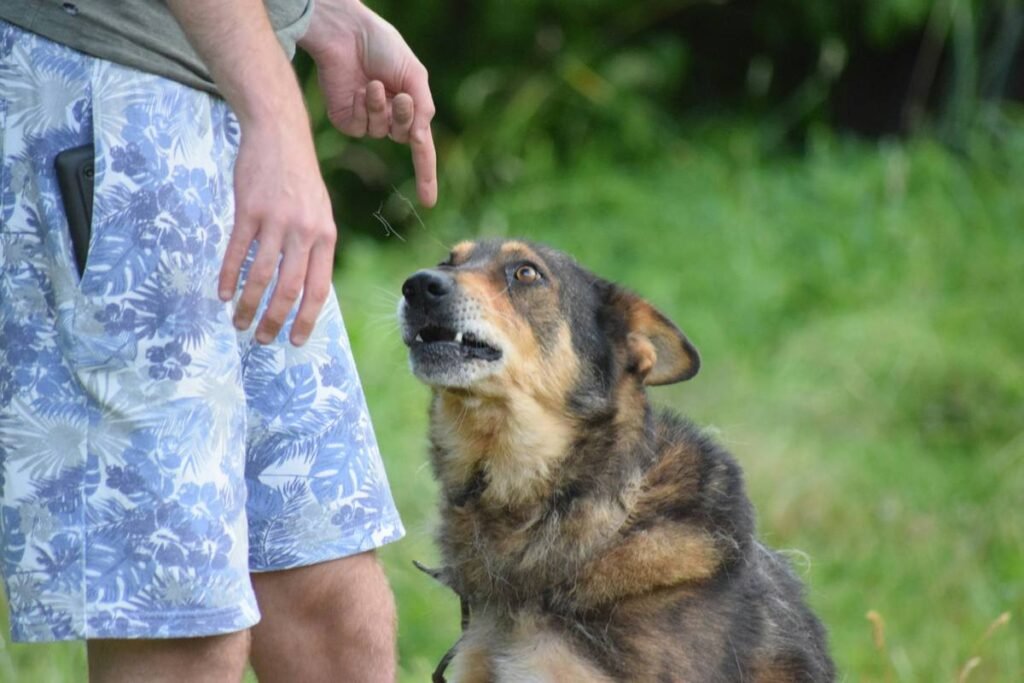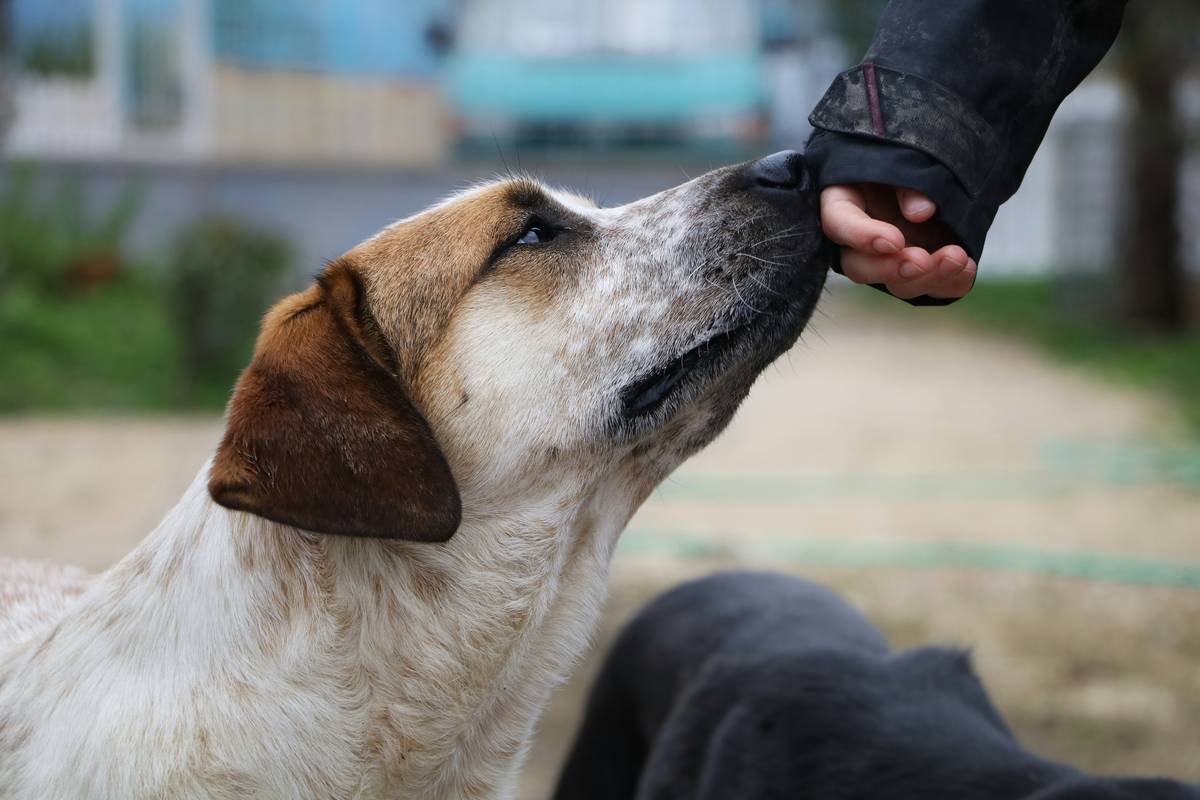
Ever called your dog’s name… only to realize they’ll never hear you again?
If your pup was born deaf—or lost hearing due to age, illness, or trauma—you’re not alone. An estimated 5–10% of dogs in the U.S. experience some degree of hearing loss, and many thrive with the right training approach. The secret? Visual commands. But “visual command how to work a” deaf dog isn’t just about waving your hands—it’s about building a language rooted in clarity, consistency, and trust.
In this guide, you’ll learn exactly how to design, teach, and refine visual cues that your deaf dog will understand—and love. We’ll cover foundational principles, step-by-step training techniques, real-life success stories, and brutal truths most trainers won’t admit (like why slapping your leg to get attention actually backfires).
Table of Contents
- Why Visual Commands Matter for Deaf Dogs
- How to Teach Visual Commands Step-by-Step
- Best Practices for Effective Visual Cue Training
- Real Success Stories from Deaf Dog Homes
- FAQ: Visual Command How to Work a Deaf Dog
Key Takeaways
- Deaf dogs rely entirely on sight—so visual commands must be distinct, consistent, and reinforced positively.
- Start with high-value rewards and short sessions (3–5 minutes) to build confidence without overwhelming your dog.
- Never use punishment-based methods—deaf dogs are more prone to startle responses and anxiety.
- Use flashlight signals at night and touch cues indoors to expand communication beyond hand signs.
- Training a deaf dog isn’t harder—it’s just different. And honestly? It deepens your bond like nothing else.
Why Do Visual Commands Matter for Deaf Dogs?
Imagine living in a world where every instruction came through sound—but you couldn’t hear a single note. That’s your dog’s reality. Without auditory input, traditional verbal cues vanish. But fear not: dogs are master observers. Their eyes track movement with astonishing precision—studies show canines process visual motion faster than humans in low light.
That’s your advantage.
I learned this the hard way with Luna, my rescue Border Collie diagnosed with bilateral congenital deafness at 10 weeks. My first mistake? Assuming she’d “figure it out.” I waved vaguely during “sit” and got a blank stare—followed by a frustrated whine. She wasn’t being stubborn; I wasn’t being clear.
Grumpy You: “Ugh, so I have to become a mime now?”
Optimist You: “Actually—yes! And your dog will adore you for it.”
How Do You Actually Teach Visual Commands? (Step-by-Step)
Forget vague gestures. Effective visual command training hinges on four pillars: consistency, contrast, capture, and consequence. Here’s how to execute them:
Step 1: Choose Distinct Hand Signals (No Overlap!)
Your “sit” cue shouldn’t resemble “stay.” Use large, deliberate motions:
- Sit: Palm up, sweep upward from waist to chest (like lifting an invisible treat).
- Down: Palm down, sweep downward to floor.
- Come: Tap your chest twice—clear even from 20 feet away.
Pro tip: Record yourself practicing. If you can’t distinguish the cues on silent playback, neither can your dog.
Step 2: Lure → Capture → Fade
- Lure: Hold a high-value treat (think freeze-dried liver) near your dog’s nose, then move it into position (e.g., up for “sit”). Reward immediately when they comply.
- Capture: Once they anticipate the motion, add the hand signal *before* the lure appears. Mark with a thumbs-up or clicker + treat.
- Fade: Gradually reduce treat reliance. Switch to intermittent rewards once behavior is reliable.
I once used #PuppyTreats for chicken training Luna—big mistake. She’d only perform if chicken was visible. Stick to one ultra-high-value food during foundation work.
Step 3: Generalize Across Environments
Practice in your living room? Great. Now try it in the backyard, at the park, with distractions. Deaf dogs generalize slower—they need proof your signal means the same thing everywhere.
Terrible Tip Alert: “Just yell louder!” Nope. Yelling is useless—and startling. Stick to visuals.
What Are the Best Practices for Visual Cue Training?
Training isn’t just about teaching—it’s about maintaining communication for life. These non-negotiables keep your system strong:
- Always get attention first. Stomp lightly, wave in their line of sight, or use a vibrating collar (not shock!). Never sneak up behind them.
- Use positive reinforcement only. The ASPCA confirms punishment increases anxiety in deaf dogs (ASPCA, 2023).
- Keep sessions short. 3–5 minutes, 2–3x/day beats one exhausting 30-minute slog.
- Add a “watch me” cue. Point to your eyes → reward eye contact. This becomes your anchor for all new commands.
- Nighttime hack: Shine a penlight twice for “come.” Works like magic during evening walks.
Can Visual Commands Really Transform a Deaf Dog’s Life? (Spoiler: Yes.)
Meet Milo, a deaf Australian Shepherd adopted at 2 years old after failed rehoming attempts. His new owner, Sarah K., used our visual command framework:
- Week 1: Taught “watch me” using a squeaky toy (Milo felt vibrations via floor).
- Week 3: Mastered “sit,” “down,” and “come” with hand signals + chicken bits.
- Month 2: Walking off-leash in controlled areas using flashlight signals.
Today, Milo competes in scent work trials—and sleeps curled against Sarah’s legs every night. “He’s not ‘less than,’” she told me. “He’s just listening with his eyes.”
Rant time: Stop calling them “disabled.” Deaf dogs aren’t broken—they’re differently abled. With proper training, they hike, fetch, and cuddle just like any other dog. The only limitation is human ignorance.
FAQ: Visual Command How to Work a Deaf Dog
Can older deaf dogs learn visual commands?
Absolutely. Dogs of any age can learn new cues—though seniors may need slower pacing and joint-friendly positions (e.g., “down” on soft surfaces).
What if my dog ignores the visual cue?
First, ensure you have their attention. Second, check reward value—is your treat exciting enough? Third, simplify: go back to luring in a quiet space.
Are American Sign Language (ASL) signs okay to use?
Yes! Many trainers adopt ASL for consistency (e.g., ASL “sit” = flat hand palm-down, lowered). Just avoid signs that mimic random motions (like scratching your head).
How do I wake a deaf dog safely?
Gently tap the floor near them to create vibration, or place your hand in front of their nose so they smell you upon waking. Never shake or grab.
Conclusion
“Visual command how to work a” deaf dog isn’t about perfection—it’s about partnership. When you replace sound with sight, frustration with fun, and fear with trust, you don’t just train a dog. You unlock a silent, soulful connection built on mutual respect.
Start small. Celebrate tiny wins. And remember: your deaf dog isn’t missing out—they’re tuning in, eyes wide open, waiting for your next clear, kind signal.
Like a Windows XP shutdown sound—your bond just needed the right cue to click.