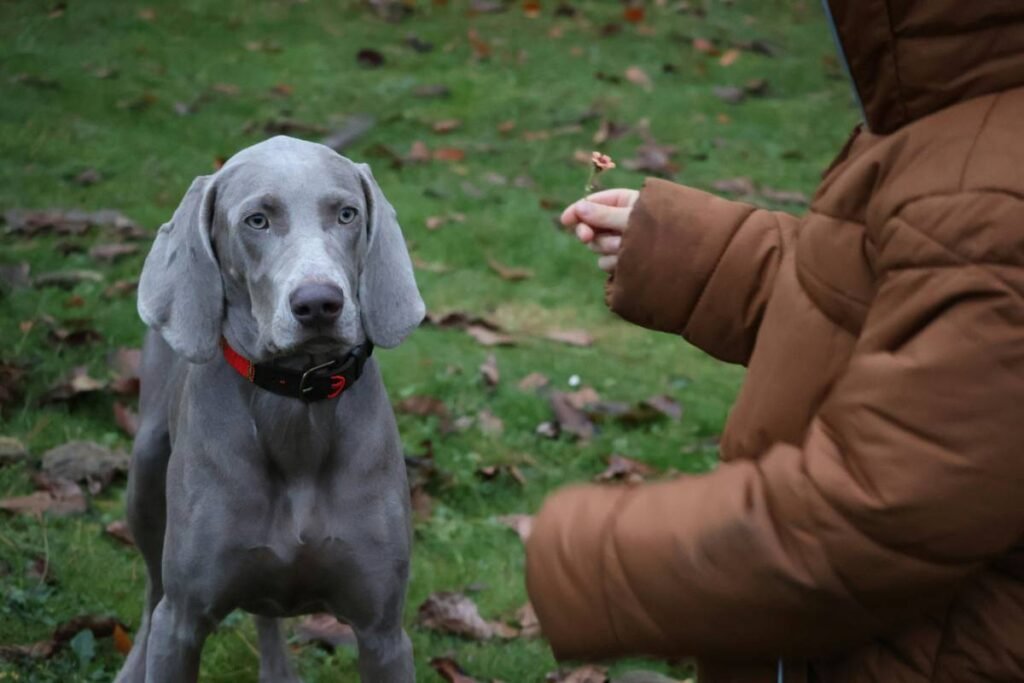
Your deaf dog ignores you—not out of defiance, but because sound-based commands vanish into silence. You wave your arms, stomp your feet, even flash lights… yet connection remains fractured. The frustration builds. But what if the answer isn’t in sight or sound—but in touch? Vibrational cue help how to work isn’t just theory; it’s a lifeline for non-hearing dogs craving clear communication.
Why Traditional Dog Training Fails Deaf Dogs
Standard obedience relies on voice—tone, pitch, repetition. Remove that, and trainers often default to exaggerated hand signals. Problem? They assume vision compensates fully. It doesn’t. Dogs blink. They look away. They nap. And in low light or distraction-heavy environments, visual cues evaporate.
Worse, many owners over-rely on collar tugs or physical corrections—mistaking confusion for disobedience. This erodes trust fast. A deaf dog isn’t stubborn; they’re simply operating without a reliable input channel. You wouldn’t expect someone blindfolded to follow verbal directions. Same logic applies here.
Vibrational Cue Help How to Work: A Step-by-Step Guide
Start with one behavior. Master it. Then expand. Rushing creates noise—not clarity.
Selecting the Right Vibration Tool
Not all vibrators are equal. Cheap pet store buzzers fade after weeks. Look for waterproof, rechargeable units with adjustable intensity—like the PetTec VibroLink or the DeafDawg Pro. Fit matters more than specs. A loose collar means inconsistent signal delivery.
Pairing Vibration with Positive Reinforcement
Never use vibration as punishment. Ever. Instead, condition the dog to associate the buzz with something joyful—a treat, a toy, a belly rub. Do this 5–10 times daily for 3–5 days before attaching any command meaning.
Click—then vibrate—then reward. Repeat. Your dog should wag at the buzz, not flinch.
Building Reliable Cue-Response Loops
Once conditioned, attach vibration to a specific action: one pulse = “sit,” two rapid pulses = “come.” Keep patterns distinct. Avoid long buzzes—they blur into background noise. Short, crisp vibrations cut through sensory clutter.
And always reinforce success. Even after months of reliability, surprise rewards keep motivation high.
| Method | Reliability in Distraction | Avg. Training Time (to 80% accuracy) | Cost Range |
|---|---|---|---|
| Visual Hand Signals | Low (fails if dog looks away) | 4–6 weeks | $0 |
| Flashlight Cues | Moderate (useless in daylight) | 3–5 weeks | $10–$25 |
| Vibrational Cues | High (works day/night, indoors/outdoors) | 2–4 weeks | $60–$150 |
The Industry Secret: Timing Beats Intensity Every Time
Most trainers crank up vibration strength when the dog doesn’t respond. Wrong move. The issue isn’t power—it’s timing. A deaf dog notices micro-delays between cue and consequence. If your vibration fires 1.2 seconds after the dog sits (instead of the instant their butt hits ground), they’ll link it to standing back up—not sitting.
Here’s the reality: precision matters more than pressure. Use a remote with sub-0.5-second latency. Practice your own reflexes. Record sessions. Watch frame-by-frame. The math is simple—clean timing builds faster neural wiring than brute-force buzzing ever could.
Frequently Asked Questions
Can vibrational cues hurt my deaf dog?
No—if used correctly. Always start at the lowest effective setting. Never use continuous vibration. It should feel like a gentle phone buzz, not an electric shock.
Do I need special certification to use vibration training?
No formal cert required, but self-education is non-negotiable. Study positive reinforcement protocols first. Misuse breeds anxiety—not compliance.
Will my dog become dependent on the vibration collar?
Only if you skip fading. After reliability, reduce vibration frequency gradually—swap every third cue with a hand signal. Eventually, you’ll maintain control with minimal tech.