You’ve tried verbal cues. They don’t work—because your dog can’t hear them. You’re frustrated. Your dog is confused. Both of you are stuck in a loop of miscommunication that’s eroding trust, slowing progress, and making daily walks feel like negotiations without a common language. What if you could rebuild that connection—not with sound, but with sight? A clear, consistent hand signals dog training chart isn’t just helpful—it’s non-negotiable for deaf dogs.
Why Voice Commands Fail (And Why Most Hand Signals Flop Too)
Most trainers assume switching to hand signals is as simple as replacing “sit” with a downward palm. Wrong. Dogs don’t interpret human gestures like people do. A flick of the wrist might mean “come” to you—but look like random noise to your dog. And here’s the kicker: inconsistency kills clarity faster than silence ever could.
Think about it. If you use a sweeping arm motion one day and a subtle finger point the next for “stay,” your dog isn’t disobeying—they’re genuinely lost. The problem isn’t their willingness. It’s your signal design.
hand signals dog training chart: Build a Visual Language That Actually Works
Forget copying YouTube tutorials. Real visual command systems are built on three pillars: simplicity, contrast, and repetition. Start with high-contrast motions against your body or background. Use large, deliberate gestures—not subtle twitches. And never change the signal once chosen.
Foundational Commands Every Deaf Dog Must Know
Focus first on five life-safety cues: Sit, Stay, Come, Down, and Leave-It. These aren’t “nice-to-haves.” They prevent bolting into traffic, counter surfing, or aggression triggered by fear.
Timing Is Everything—Even Without Sound
Reward within 1–2 seconds of correct behavior. Delayed treats create confusion. Use a thumbs-up as an immediate “mark” before delivering food—this bridges the gap between action and reward.
Avoid Common Signal Mistakes
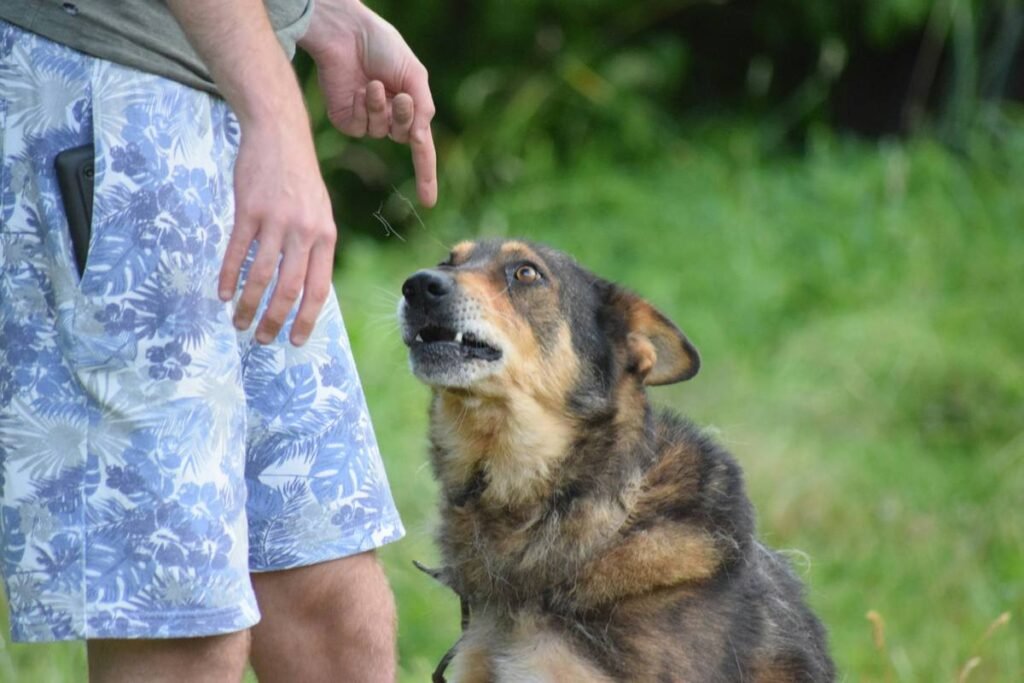
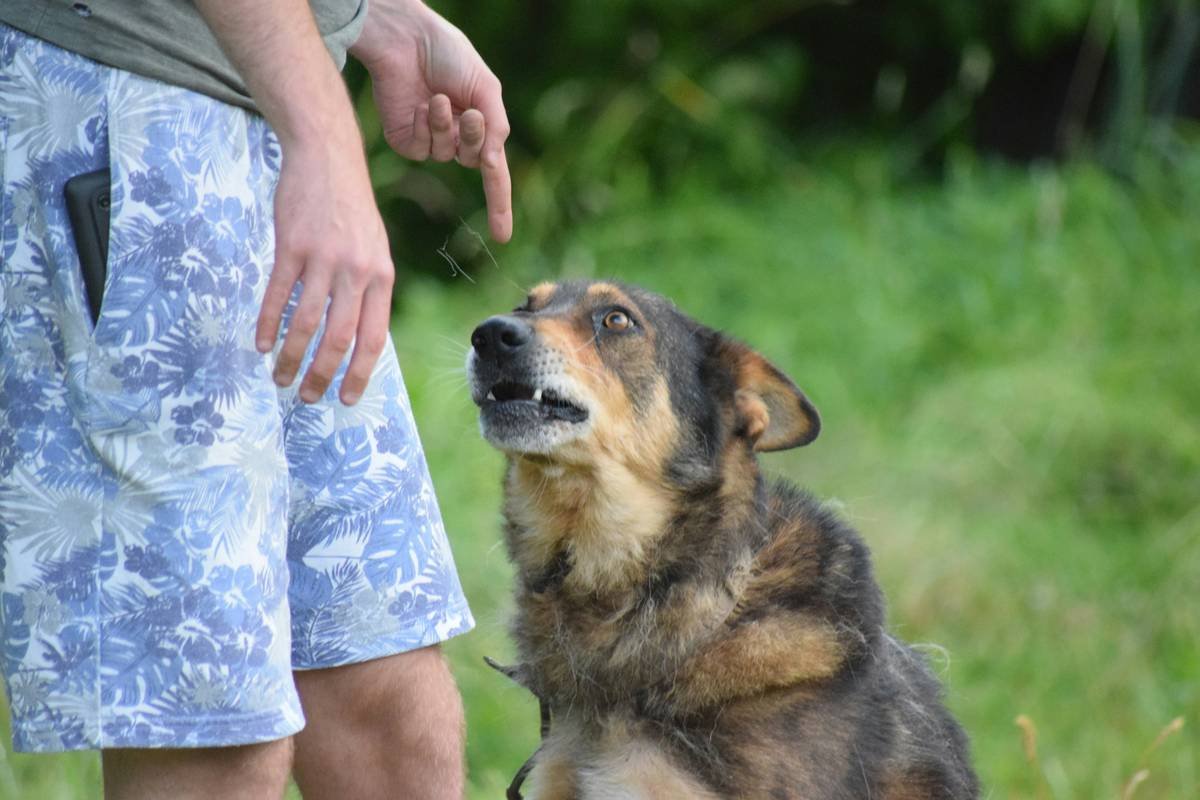
Don’t wave both arms wildly for “come.” It looks like panic, not invitation. Don’t hide your hands behind your back between cues—your dog needs constant visibility. And never pair old verbal commands with new signs during transition; it muddies the water.
| Command | Recommended Hand Signal | Why It Works | Common Mistake |
|---|---|---|---|
| Sit | Palm flat, move hand upward like lifting an invisible leash | Mimics natural head-lift motion dogs associate with sitting | Using a downward push (confuses with “down”) |
| Stay | Open palm facing dog, held steady at chest height | Clear visual barrier—like a stop sign | Moving hand while saying “stay” (creates motion conflict) |
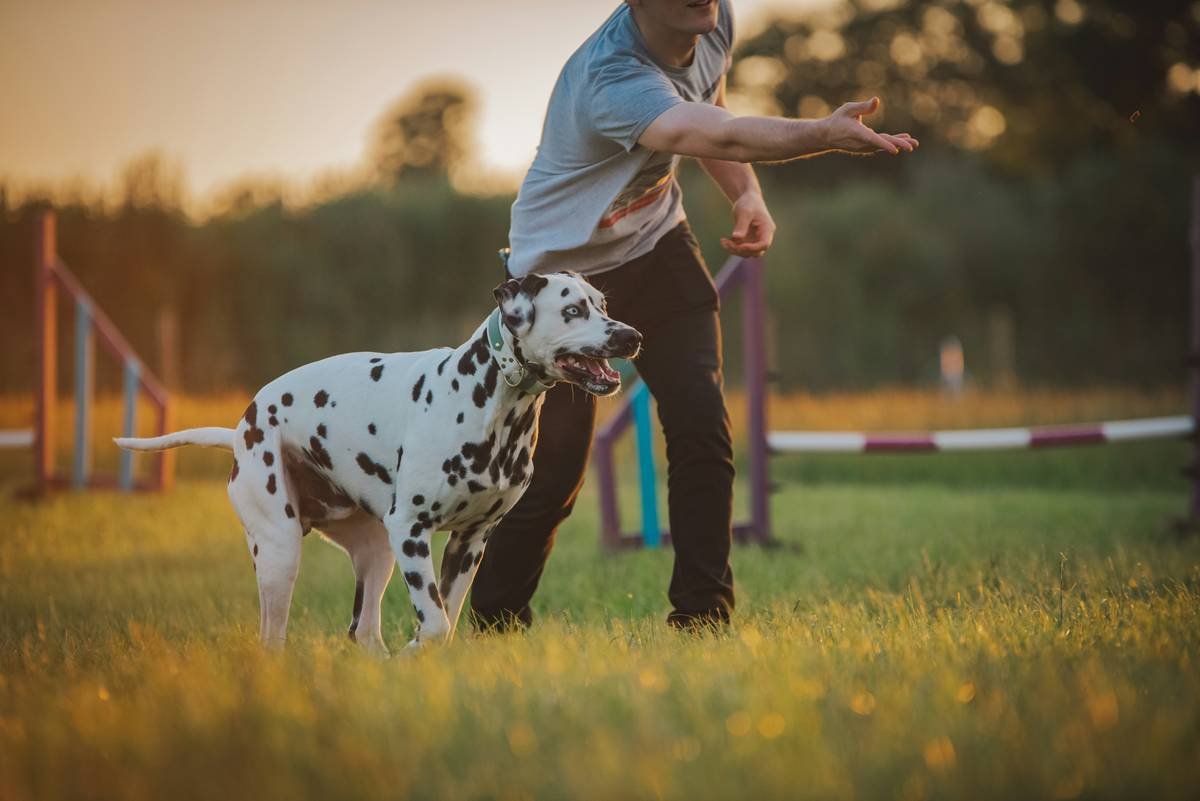
| Come | Pat your thigh repeatedly with open hand | Leverages touch association + large motion | Waving overhead (looks like distress, not recall) |
| Down | Hand starts high, sweeps slowly down to floor | Mirrors gravity—intuitive for lowering body | Pointing downward sharply (reads as aggression) |
| Leave-It | Closed fist held in front of nose, then opened slowly | Blocks sight line, then reveals “nothing here” | Reaching toward object (triggers grab instinct) |
The Industry Secret: Train With Light—Not Just Hands
Top working-dog handlers for search-and-rescue or military K9 units rarely rely solely on hand signals in low-light or high-stress scenarios. Their secret? Flashlight cues. A single pulse means “sit.” Two quick flashes = “come.” Continuous beam sweep = “search.”
Here’s the reality: vision isn’t just about hands. It’s about any reliable visual channel. For home use, try a small LED penlight after dark. Train indoors first—pair each flash pattern with your hand signal until the light alone triggers the behavior. This isn’t gimmickry. It’s adaptive communication. And it gives your deaf dog confidence when shadows fall.
Frequently Asked Questions
Can I teach hand signals to a hearing dog too?
Yes—and you should. Dual-cue dogs respond faster in noisy environments and maintain obedience as they age or lose hearing.
How long does it take to master a hand signal?
Most deaf dogs learn one new signal in 3–7 short (5-minute) sessions—if you’re consistent. Rushing leads to half-trained behaviors.
Do I need professional help for deaf dog training?
Not always. But if your dog shows fear-biting or resource guarding, consult a force-free trainer experienced with sensory-impaired dogs immediately.