You adopted a deaf dog. You love them fiercely. But every barkless moment feels like walking blindfolded through a minefield of misunderstood cues. The standard “sit-stay-come” drills? Useless. Frustration mounts. Your pup senses it—and shuts down. Here’s the fix: community-powered, visual-first training built on trust, not sound.
Why Traditional Dog Training Fails Deaf Dogs
Most obedience programs assume hearing. Whistles, verbal markers, even clickers rely on auditory feedback. Strip that away—and you’ve stripped the dog’s entire learning framework.
And that’s not just inconvenient—it’s isolating. Without adaptation, deaf dogs get labeled “stubborn” or “untrainable.” Trainers shrug. Owners burn out. The real failure isn’t the dog. It’s the system.
Community Support Help How Do Dog: A Visual Training Blueprint
Forget solo struggles. Effective deaf dog training thrives on shared knowledge, peer-tested signals, and neighborhood accountability. Start here:
Step 1: Build Your Signal Vocabulary
Replace words with consistent hand signs. Not random gestures—structured, high-contrast motions visible from 10+ feet. Think American Sign Language meets K9 clarity. Eyes open? Thumbs up = “good.” Palm out = “stop.”
Step 2: Recruit Your Local Network
Tell neighbors, dog walkers, even your mail carrier: “This dog is deaf. Here’s how you greet them safely.” Print wallet cards. Share QR-linked video demos. Make support ambient—not optional.
Step 3: Leverage Vibration & Light Cues
A vibrating collar (not shock!) paired with a treat creates powerful cause-and-effect. Flash a porch light at dusk = “come inside.” Tap the floor rhythmically = “look at me.” Consistency beats volume every time.
| Method | Cost Range | Community Involvement Needed? | Time to Reliable Response |
|---|---|---|---|
| Hand Signals Only | $0 | Moderate (family + frequent visitors) | 4–8 weeks |
| Vibration Collar + Light Cues | $40–$120 | High (neighbors, dog park allies) | 2–5 weeks |
| Professional Deaf-Dog Trainer | $150–$400/session | Low (but referrals critical) | 1–3 weeks |

The Industry Secret No One Talks About
Here’s what top behaviorists won’t admit in public webinars: deaf dogs often learn faster than hearing ones. Why? They’re hyper-attuned to body language from day one. No auditory distractions. No “selective hearing.” Just pure focus—if you speak their language.
But—and this is critical—you must avoid “compensation guilt.” Don’t over-treat or baby them. Hold them to the same behavioral standards as any dog. Respect breeds reliability. Pity breeds chaos.
Frequently Asked Questions
How do I get my deaf dog’s attention indoors?
Flick a light switch on/off. Stomp lightly on hardwood. Or gently touch their shoulder from the front—never surprise them from behind.
Can deaf dogs go to regular dog parks?
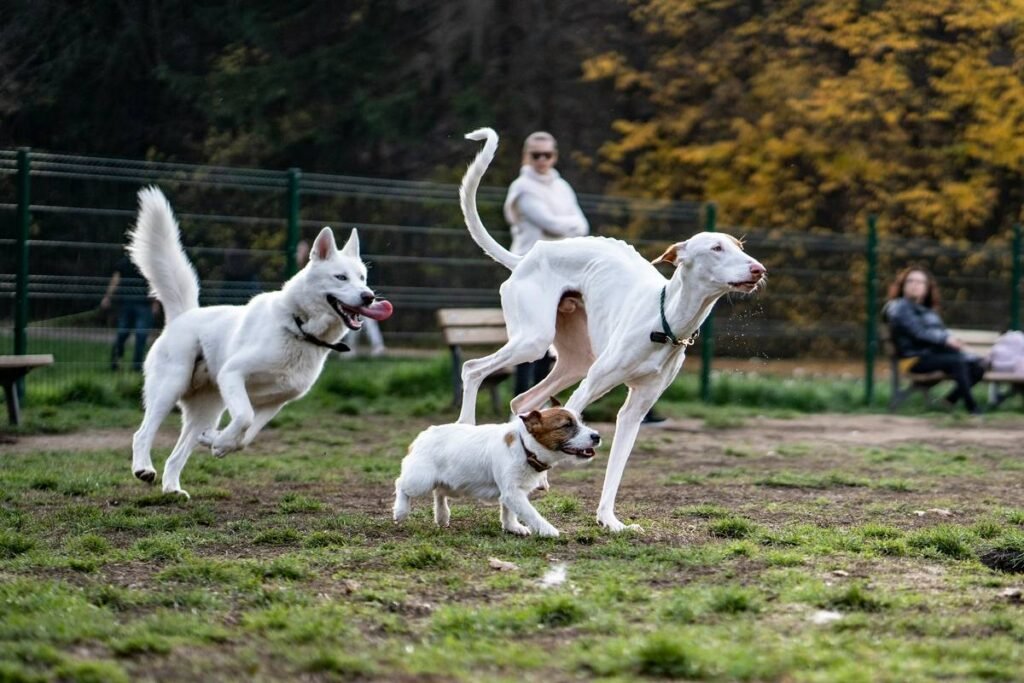
Only with extreme caution. Better: organize “silent meetups” with other deaf-dog owners. Controlled environments prevent startle reactions and build confidence.
Where can I find local deaf dog support groups?
Start at snuffyscomm.com/community-hub. Then search Facebook for “[Your City] Deaf Dog Allies.” If none exist—launch one. You’ll be shocked how many are quietly struggling.