Ever called your puppy’s name across the yard… only to watch them blissfully chase a butterfly while danger looms just beyond? If your pup was born deaf—or lost hearing early—this isn’t just frustrating. It’s terrifying. And you’re not alone: up to 30% of Dalmatians are born deaf, and breeds like Australian Shepherds, Bull Terriers, and English Setters also face elevated congenital deafness risks (Strain, 2004, Journal of the American Veterinary Medical Association).
This guide cuts through the noise (pun intended). You’ll learn how to build trust with visual cues, avoid common training pitfalls, and raise a confident, safe, and joyful deaf puppy—no hearing required.
Table of Contents
- Why Is Deaf Puppy Training Different?
- Step-by-Step Deaf Puppy Training Methods That Actually Work
- Best Practices Every Deaf Dog Owner Swears By
- Real Success Stories: From Panic to Peace
- Deaf Puppy Training FAQs: Your Burning Questions, Answered
Key Takeaways
- Deaf puppies rely entirely on sight and touch—never punish them for “ignoring” you; they literally can’t hear.
- Use consistent hand signals paired with positive reinforcement (treats, toys, praise) from day one.
- Always wake your deaf puppy gently—startle responses can lead to fear or accidental bites.
- Vibration collars (not shock!) and flashlight cues are humane, effective tools endorsed by veterinary behaviorists.
- Safety is non-negotiable: secure fencing and ID tags stating “I AM DEAF” save lives.
Why Is Deaf Puppy Training Different?
Training a hearing puppy often starts with verbal commands: “Sit!” “Come!” “No!” But for a deaf pup, those sounds are silent voids. This isn’t a limitation—it’s a redirection. Their world is visual and tactile, vivid in ways we overlook.
I’ll confess my first mistake: I tried clapping loudly behind my deaf Border Collie mix, Luna, to get her attention. She didn’t flinch. Not because she was stubborn—but because sound simply didn’t exist for her. My heart sank. But then I learned: her eyes were always watching.
According to Dr. Kelly Ballantyne, board-certified veterinary behaviorist at Adler Veterinary Specialty Center, “Deaf dogs are not ‘broken’ versions of hearing dogs. They process information differently, but with consistent visual communication, they excel in obedience, agility, even service roles.”
Step-by-Step Deaf Puppy Training Methods That Actually Work
How do you start training a deaf puppy?
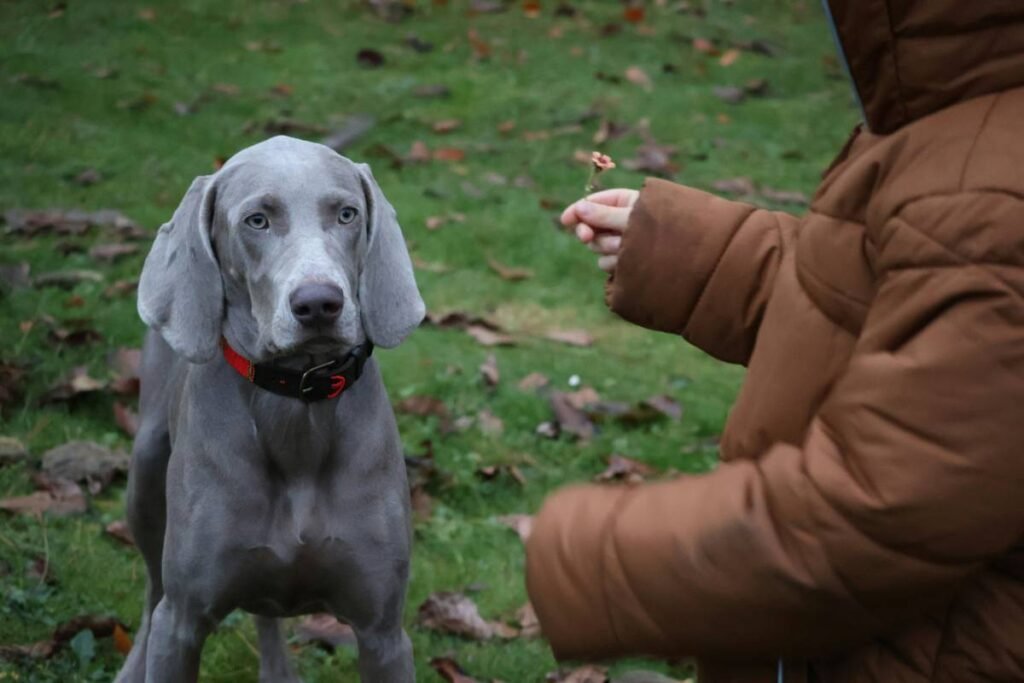
Begin with connection—not commands. Spend days simply bonding: gentle pets, eye contact, and calm presence. Reward any voluntary look toward you with a treat. This builds what trainers call “check-in behavior”—your pup learning that looking at you = good things happen.
What hand signals should you teach first?
Start with three essentials: “Watch me,” “Sit,” and “Come.” Here’s how:
- “Watch me”: Hold a treat near your eye. When pup looks, mark with a thumbs-up + treat. Repeat 10x/day.
- “Sit”: Palm flat, move slowly over pup’s head. As their butt drops, thumbs-up + treat.
- “Come”: Sweep arm toward chest like drawing them in. Click (or thumbs-up) + high-value treat when they arrive.
How do you get their attention outdoors?
Never rely on voice. Instead:
– Use a vibrating collar (e.g., PetPace or DOG CARE brands)—set to gentle pulse, never shock.
– Shine a small flashlight briefly (great for nighttime).
– Stomp lightly on the ground to create vibrations they feel through paws.
Optimist You: “These tools build safety without fear!”
Grumpy You: “Ugh, fine—but only after I’ve had my third coffee and double-checked the battery.”
Best Practices Every Deaf Dog Owner Swears By
Brutal Honesty Time: The “Terrible Tip” You Must Avoid
“Just let them figure it out—they’ll adapt!” Nope. Without structured visual communication, deaf puppies become anxious, reactive, or shut down. Isolation isn’t adaptation—it’s neglect. Invest time early; it pays lifelong dividends.
Rant: Why Do People Still Say “Poor Baby”?
Deaf dogs aren’t tragic. They don’t “suffer.” Luna hikes, fetches, cuddles, and naps in sunbeams like any pup. Saying “poor baby” infantilizes them—and undermines your confidence as an owner. They’re capable. Respect that.
Proven Best Practices:
- Always approach from the front. Surprise = stress. Tap floor gently before touching when they’re sleeping.
- Use a long line (15–30 ft leash) during recall training until 100% reliable off-leash.
- Enroll in force-free group classes. Many trainers now offer deaf-dog-friendly sessions (look for CCPDT-KA or IAABC credentials).
- Mirror your body language. Confident posture = calm dog. Frazzled energy = chaos.
Real Success Stories: From Panic to Peace
Meet Milo, a deaf Australian Shepherd adopted at 10 weeks. His owners panicked after he bolted into traffic chasing a leaf. After implementing structured visual training and a backyard recall routine using a vibrating collar, Milo now passes advanced Canine Good Citizen tests—with zero verbal commands.
Then there’s Zara, a rescued deaf Pit Bull mix terrified of sudden movements. Her foster mom used counter-conditioning: pairing gentle floor taps with chicken bites. Within 6 weeks, Zara slept soundly and responded instantly to flashlight cues at night.
These aren’t miracles—they’re methods. Consistency + compassion = transformation.
Deaf Puppy Training FAQs: Your Burning Questions, Answered
Can deaf puppies be trained as well as hearing ones?
Absolutely. A 2019 study in Applied Animal Behaviour Science found deaf dogs achieved equal or higher obedience scores when trained with consistent visual cues and positive reinforcement.
How do I know if my puppy is deaf?
Try these home tests: jingle keys behind their head while they sleep (no reaction = red flag), or clap loudly out of sight. But confirm with a BAER test (Brainstem Auditory Evoked Response)—the gold standard. Many vets offer it by 6–8 weeks old.
Are vibration collars cruel?
No—when used correctly. These collars emit a gentle buzz (like a phone on silent), not pain. The Deaf Dog Education Action Fund (DDEAF) endorses them for off-leash safety. Never use static/shock collars.
Should I use American Sign Language (ASL)?
You can—but simplified, unique gestures often work better. ASL signs like “sit” (flat palm down) align perfectly. Just ensure all family members use identical signals.
Conclusion
Deaf puppy training isn’t about overcoming a deficit—it’s about embracing a different kind of brilliance. With clear hand signals, patient consistency, and respect for their sensory world, your deaf pup won’t just survive. They’ll thrive.
Remember Luna? She’s now a certified therapy dog, visiting hospitals with her calm, focused presence—proving silence speaks volumes.
Like a Tamagotchi, your bond needs daily care—but the payoff? Pure, tail-wagging magic.
Haiku:
Silent paws tap-dance,
Through sunlit halls they follow
My quiet hands home.