Training a deaf dog feels isolating—like you’re shouting into silence while everyone else uses voice commands without a second thought. Standard obedience classes fall flat. Online tutorials assume hearing cues. And the guilt? It piles up. But what if the real breakthrough isn’t in hand signals alone—it’s in the people around you? That’s where community support help dog training deaf shifts everything.
Why Traditional Dog Training Fails Deaf Dogs
Most trainers rely on auditory reinforcement—“sit,” “stay,” a sharp “no.” For a deaf dog, that’s noiseless theater. And visual cues? Often taught inconsistently or too slowly. Worse, many owners quit before seeing progress because they think they’re failing alone.
Here’s the reality: dogs don’t need sound. They need clarity—and repetition from multiple trusted humans. A single handler using shaky signals won’t cut it. You need a micro-community synced on the same language.
Community Support Help Dog Training Deaf: Your Step-by-Step Blueprint
Forget solo drills. Build a support circle—neighbors, friends, even local pet sitters—who all speak your dog’s visual language. Consistency across handlers = faster learning. Period.
Recruit Your Core Team
Pick 3–5 calm, reliable people who interact with your dog weekly. Teach them your core signals (sit, come, wait) using the same hand shapes and timing. No improvisation allowed.
Standardize Visual Cues
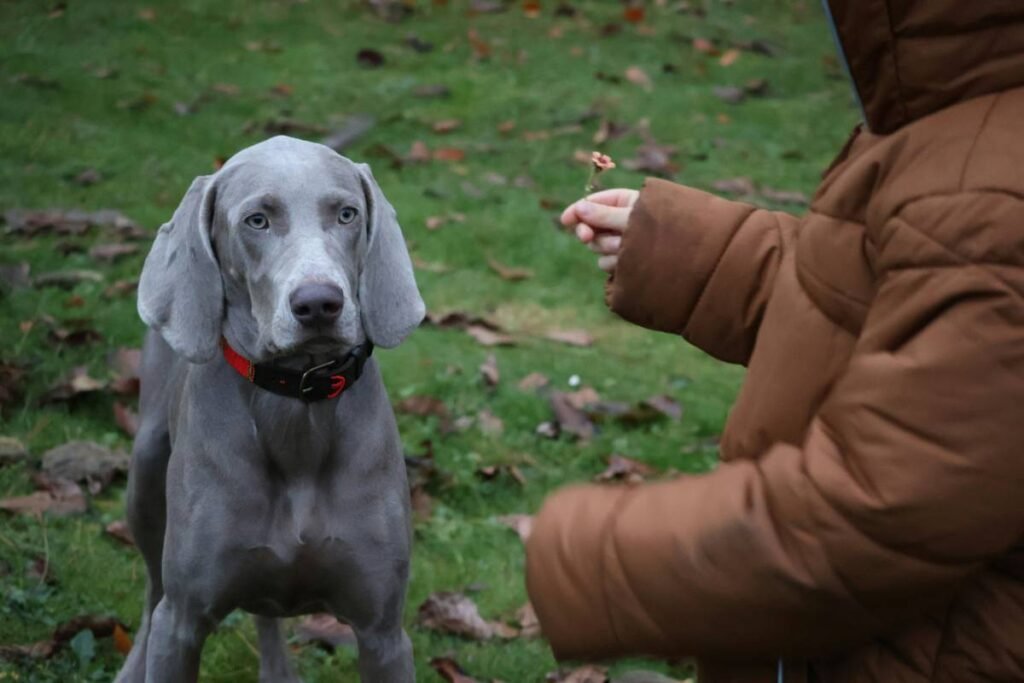
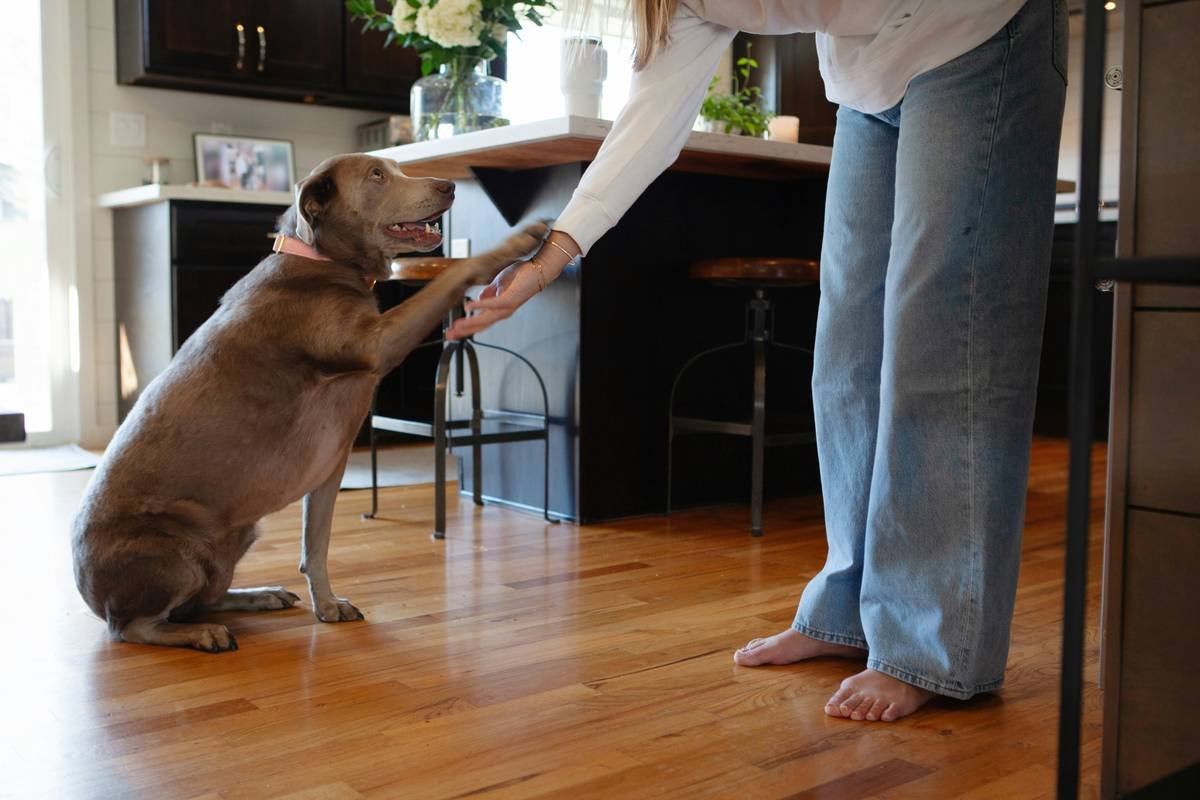
Use large, distinct gestures—not finger wiggles. Palm down for “sit.” Open hand sweeping toward you for “come.” Flash a small flashlight at night for attention. Keep it bold, not subtle.
Track Progress Collectively
Maintain a shared log (digital or paper) where every handler notes successes and triggers. Was Fido startled by a bike today? Did he respond to “down” from Aunt Carol? Patterns emerge fast.
| Support Method | Time Required/Week | Cost | Impact on Deaf Dog Learning |
|---|---|---|---|
| Solo Training Only | 7–10 hrs | $0 | Slow; inconsistent retention |
| Local Deaf-Dog Meetups | 2–3 hrs | $0–$15 (event fees) | High social confidence; peer modeling |
| Coordinated Handler Circle | 4–6 hrs (shared) | $0 | Rapid command mastery; reduced anxiety |
| Private Trainer + Community Sync | 2 hrs trainer + 3 hrs team | $80–$150/session | Fastest results; professional calibration |
Reinforce With Vibration & Touch
Pair signals with gentle shoulder taps or vibrating collars (not shock!) to mark correct behavior. But only after your support team agrees on timing—late taps confuse more than help.
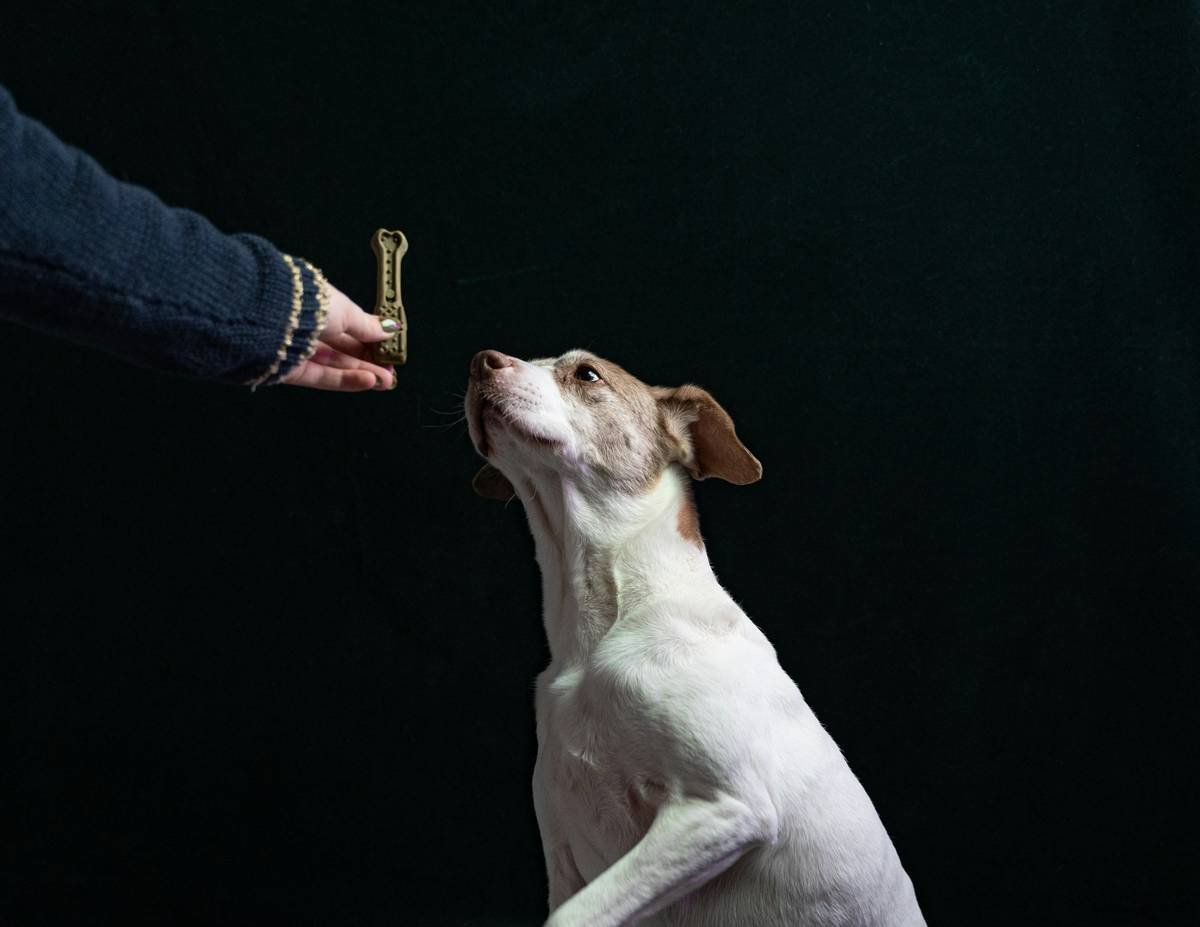
The Industry Secret: Deaf Dogs Learn Faster in Groups
Here’s what no certification manual tells you: deaf dogs often learn faster than hearing ones when trained in a coordinated group. Why? Because their survival instinct hinges on reading human movement intensely. One handler might miss a tail flick signaling confusion—but three won’t.
Think about it. In the wild, canines read pack posture, not barks. Your “pack” is your support circle. The math is simple: more consistent eyes = fewer mixed messages = quicker trust.
And yes—I’ve seen rescue deaf pups nail recall in 10 days with a neighborhood watch-style team. Not magic. Just synchronized humans.
Frequently Asked Questions
Can deaf dogs be fully obedient without sound?
Absolutely. They rely on vision and touch. With consistent visual cues from multiple trustworthy people, they excel beyond expectations.
Where do I find community support for deaf dog training?
Start local: vet clinics, dog parks, Facebook groups like “Deaf Dogs Rock.” Post clear asks—“Seeking 2 neighbors to learn 3 hand signals with me.”
Is professional help necessary for community-based training?
Not always. But a single session with a deaf-dog-savvy trainer can align your whole team on timing and mechanics—saving weeks of guesswork.