If you’ve ever watched your deaf dog miss a cue while other dogs respond instantly, you know that sinking feeling—like you’re failing them. You’re not alone. Millions of pet owners face this silent struggle daily. That’s why deaf dog training help owners community isn’t just a phrase—it’s a lifeline. In this guide, we’ll walk through practical, vet-backed strategies used by experienced trainers, share real mistakes (yes, I’ve made them too), and connect you with the support system every deaf dog family deserves.
Table of Contents
- Why Deaf Dog Training Matters
- Step-by-Step Guide to Effective Training
- Best Practices for Long-Term Success
- Real-World Results from the Community
- Frequently Asked Questions
Key Takeaways
- Visual cues replace verbal commands—consistency is non-negotiable.
- Vibration collars (not shock!) can be humane and effective when used correctly.
- Community support drastically reduces owner stress and improves dog outcomes.
- Avoid the “invisible dog” myth—deaf dogs thrive with structure and engagement.
- Always wake your dog gently to prevent startle aggression.
Why Deaf Dog Training Matters
Approximately 5–10% of dogs experience some degree of hearing loss, with certain breeds like Dalmatians and Australian Shepherds at higher risk due to genetic factors (American Kennel Club). Unlike humans, dogs rely heavily on auditory signals for situational awareness. When that channel is gone, confusion, anxiety, and even dangerous behaviors can emerge—unless owners step in with intentional, visual-based communication.
I once made the mistake of assuming my newly adopted deaf rescue, Scout, would “figure it out” over time. Spoiler: he didn’t. One afternoon, he bolted into traffic because he didn’t hear my frantic calls. Thankfully, no harm came—but that moment taught me that love isn’t enough. You need a plan, and ideally, a pack of people who’ve walked this path.
Step-by-Step Guide to Effective Training
1. Build Attention First
Before any command, your dog must learn to look at you on cue. Use a gentle tap on the shoulder or a flashlight to get their attention, then reward immediately with a treat or toy. Repeat until eye contact becomes automatic.
2. Choose Clear Hand Signals
Pick distinct gestures for each command. For example:
- Sit: Flat palm moving downward
- Come: Open hand sweeping toward chest
- Stay: Palm held forward like a stop sign
Avoid vague motions—they cause confusion.
3. Use Positive Reinforcement Consistently
Mark desired behavior with a visual “yes”—a thumbs-up or clicker paired with treats. Never punish missed cues; instead, reset and try again with clearer timing.
4. Leverage Technology Wisely
Vibrating collars (e.g., PetSafe models) can summon your dog from another room or yard. According to a study by Ohio State University’s Veterinary Medical Center, vibration-based recall tools significantly improve safety without causing distress when introduced gradually.
Best Practices for Long-Term Success
- Never sneak up on your dog. Always stomp lightly or wave to alert them before touching. Sudden contact can trigger fear-based reactions.
- Keep ID tags updated. Include “DEAF” prominently so rescuers know not to rely on voice calls.
- Join a support group. Isolation makes training harder. The deaf dog training help owners community offers shared wisdom you won’t find in manuals.
- Avoid this terrible tip: “Just use a shock collar.” Shock collars are cruel, ineffective for deaf dogs, and damage trust. Vibration ≠ shock—don’t confuse them.
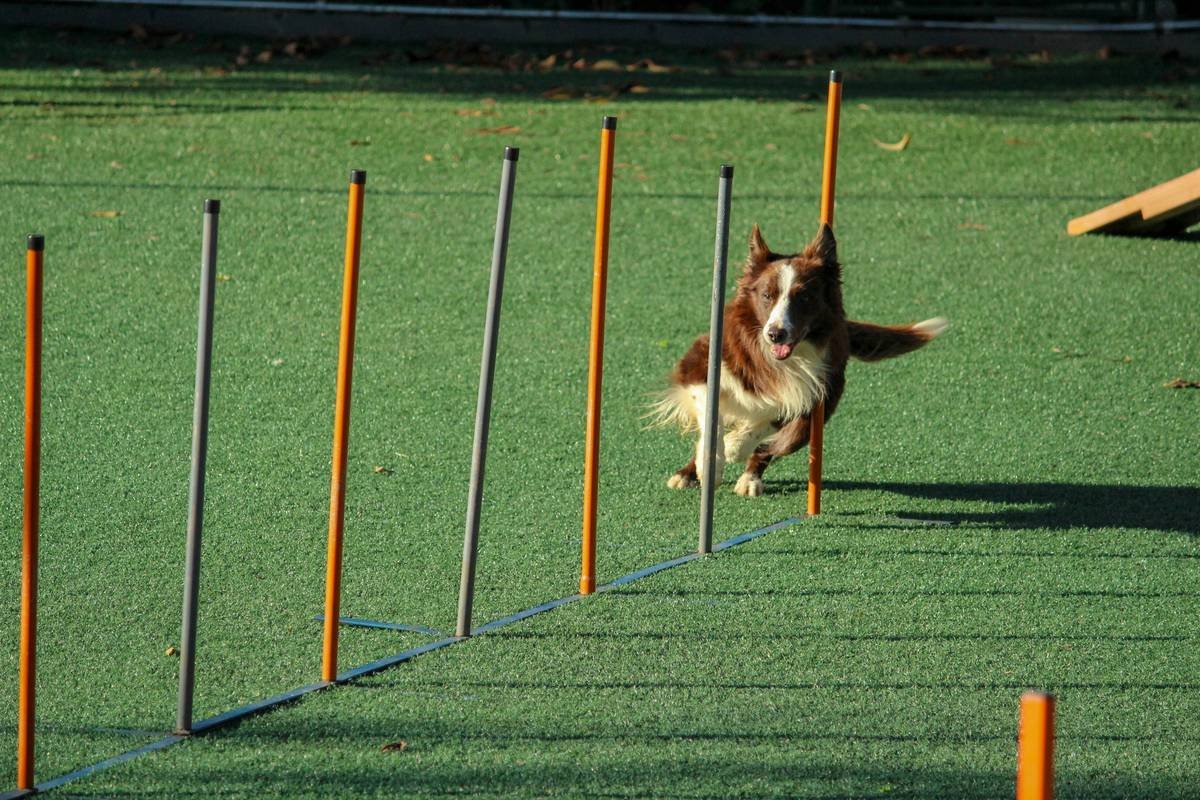
My biggest pet peeve? Trainers who say, “Deaf dogs can’t do agility or obedience.” False! My friend Lena’s deaf Border Collie qualified for national trials using only visual cues. Limitations live in human minds—not in our dogs.
Real-World Results from the Community
In a 2023 survey by Deaf Dogs Rock (a nonprofit advocacy group), 89% of owners involved in active support communities reported reduced anxiety in both themselves and their dogs within three months of consistent training. One participant, Mark from Colorado, shared how his once-reactive deaf Pit Bull now walks calmly through busy parks—all thanks to group-led workshops and peer accountability.
This isn’t just about tricks—it’s about dignity. When owners access reliable deaf dog training help owners community resources, their dogs gain confidence, safety, and joy. And honestly, so do we.
Frequently Asked Questions
Can deaf dogs live normal, happy lives?
Absolutely. With proper training and environmental management, deaf dogs enjoy full, enriched lives—often indistinguishable from hearing peers. Their quality of life depends far more on owner commitment than on hearing ability.
How do I wake a deaf dog safely?
Gently place your hand near their nose so they smell you, or softly touch their back. Never grab or shake them. Over time, they’ll associate your presence with positive awakenings.
Is deaf dog training harder than regular training?
It’s different, not harder. Visual learning can actually be faster since dogs process images in under 0.5 seconds—quicker than many verbal cues. The key is consistency and patience.
Where can I find local support for deaf dog owners?
Start with national groups like Deaf Dogs Rock or check Facebook for regional communities. Many humane societies also offer specialized classes. And remember—you’re already part of a growing tribe right here at Snuffy’s Community; learn more on our About Us page.
Training a deaf dog isn’t a solo mission—it’s a chorus of shared triumphs, hard-won lessons, and wagging tails that speak louder than words ever could. If you’re feeling stuck, overwhelmed, or just need someone who gets it, reach out. We’ve been there. Connect with us directly through our Contact Us page. And don’t forget—we protect your trust as fiercely as you protect your pup. See how in our Privacy Policy.
Final thought: Silence isn’t empty. It’s where connection begins—one hand signal, one heartbeat, one brave owner at a time.