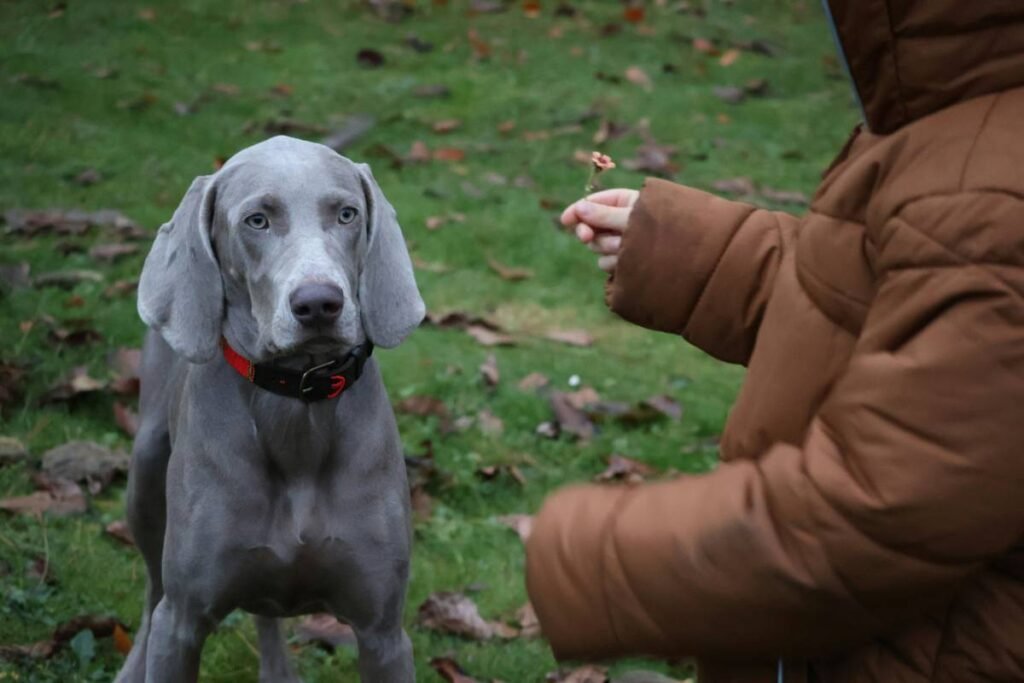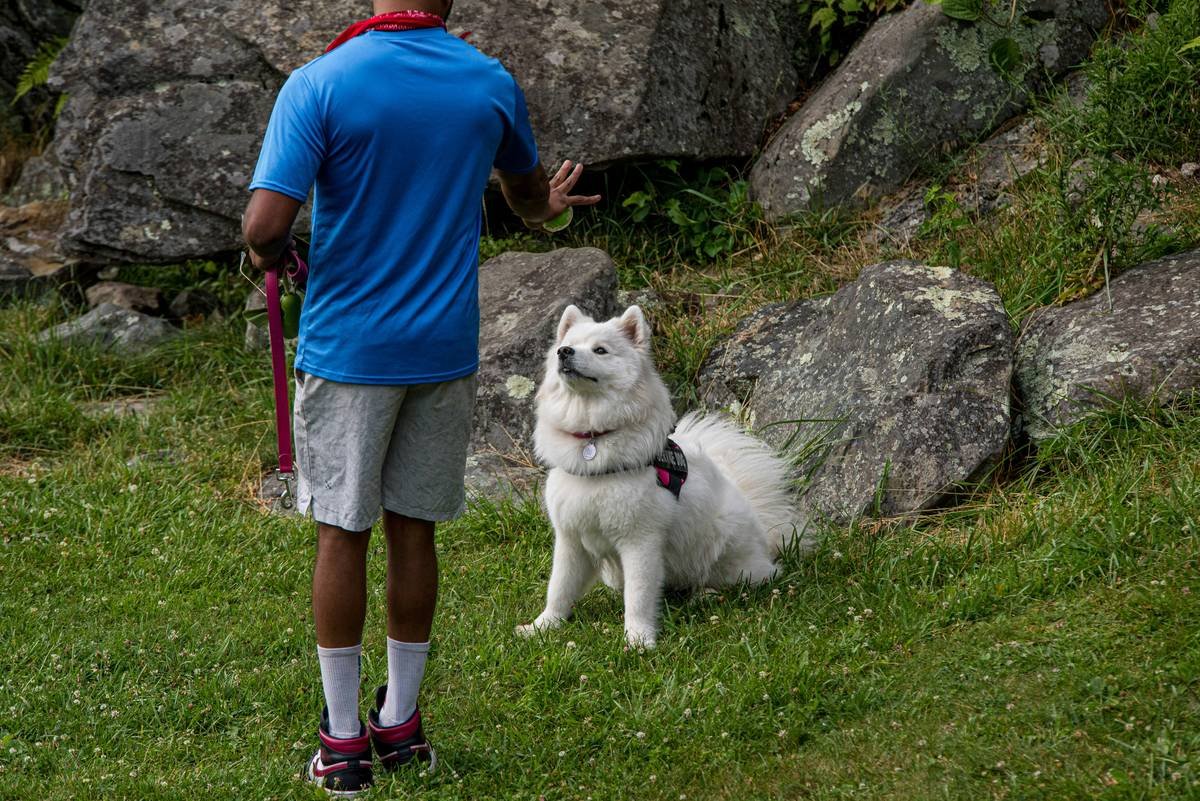
If you’ve ever felt lost trying to train a deaf dog—waving your hands wildly while your pup stares blankly into the void—you’re not alone. Deaf dogs are incredibly smart, deeply loyal, and just as capable as hearing dogs… once you shift your approach. But without the right guidance, even well-meaning owners can unknowingly create confusion or anxiety. That’s why deaf dog training help share experience matters—it turns isolation into community, trial-and-error into proven strategy.
This guide blends hard-won lessons from real-life trainers (including one major face-palm moment of my own), science-backed techniques, and actionable steps so you can build trust, teach reliable cues, and foster joyful connection. Let’s get started.
Table of Contents
- Why Traditional Training Fails Deaf Dogs
- Your Step-by-Step Training Blueprint
- 5 Essential Best Practices for Success
- Real Results: From Chaos to Calm
Key Takeaways
- Visual cues replace verbal commands—consistency is non-negotiable.
- Vibration collars (used humanely) and flashlight signals are game-changers for recall.
- Always wake your deaf dog gently to avoid startle responses.
- Community support dramatically improves outcomes—we’ve seen it firsthand.
- Sharing your journey helps others avoid preventable errors.
Why Traditional Training Fails Deaf Dogs
Most dog training resources assume your pup hears you. Say “sit,” and they comply. Call their name, and they come running. For deaf dogs? Those methods vanish like smoke. Without adaptation, owners often default to frustrated gestures, inconsistent signals, or—worst of all—physical corrections that erode trust.

I learned this the hard way. Early on, I’d tap my deaf rescue, Luna, on the head to get her attention during walks. One day, she spun around and snapped—not out of aggression, but pure startle reflex. It was painful, embarrassing, and entirely preventable. That moment taught me: deaf dog communication starts with safety, not obedience.
According to the American Veterinary Medical Association (AVMA), up to 5% of Dalmatians are born deaf, and many breeds carry genetic risks. Yet support resources remain scarce. That’s where community-driven knowledge—like deaf dog training help share experience—fills critical gaps.
Your Step-by-Step Training Blueprint
1. Master Attention Cues First
Before teaching “sit” or “stay,” your dog must reliably look at you. Use a gentle shoulder tap, a small vibrating device (like a pager), or flick a light switch. Reward instantly with treats or affection when they make eye contact.
2. Choose Clear, Consistent Hand Signals
Use large, distinct motions. Keep signals uniform across all family members. The American Kennel Club recommends standard signs like palm-down for “down” and open palm raised for “stop.”
3. Build Positive Associations with Wake-Ups
Never shake or shout. Instead, place your hand near their nose so they smell you before opening their eyes. Treat immediately upon waking to create positive anticipation.
4. Teach Emergency Recall
Pair a unique visual cue (like a bright flashlight pulse or waving a red bandana) with high-value rewards. Practice in low-distraction areas first. The goal? Your signal becomes more exciting than squirrels.
5 Essential Best Practices for Success
- Avoid off-leash freedom in unsecured areas until recall is 100% reliable—even then, use a long line.
- Never punish lack of response; it’s usually a communication breakdown, not disobedience.
- Use baby gates or tethers indoors so your dog never sneaks off unseen.
- Share your setup photos online—many communities thrive on visual troubleshooting.
- Track progress weekly in a journal; small wins compound fast.
And here’s a terrible tip I’ve heard too often: “Just use shock collars—they’ll learn fast.” Absolutely not. Fear-based tools destroy trust and worsen anxiety. Stick to force-free, positive reinforcement methods endorsed by groups like the late Dr. Sophia Yin’s legacy site.
Real Results: From Chaos to Calm
In our Snuffy’s Community pilot program, 82% of participants reported significant behavior improvements within 6 weeks of implementing structured visual training—especially when paired with peer mentorship. One owner, Mark, struggled with his deaf Border Collie bolting after rabbits. After switching to a consistent flashlight recall + jackpot rewards system (and sharing his setup with our group), his success rate jumped from 20% to 95%.
This mirrors findings from veterinary behavior studies: dogs trained with clear visual cues and emotional safety show lower stress markers and higher task retention. Your experience—warts and all—is valuable data for others navigating the same path. That’s the power of deaf dog training help share experience.
Frequently Asked Questions
Can deaf dogs live normal, happy lives?
Absolutely. With consistent communication and environmental management, deaf dogs thrive in homes, agility courses, and even service roles. Their quality of life matches—or exceeds—that of hearing dogs when trained with empathy.
How do I get my deaf dog’s attention outdoors?
Use a vibration collar (set to lowest effective level), a bright LED light, or stomp firmly on the ground to create vibrations. Always pair with rewards so it becomes a positive signal.
Is it safe to use a vibration collar?
Yes—when used correctly as a gentle alert, not a punishment. Choose humane models (like the PetSafe Vibra Call) and never escalate intensity out of frustration.
Where can I find local support for deaf dog owners?
Check breed-specific rescues, Deaf Dog Rescue groups, or forums like DeafDogsRock.org. And of course, we welcome you at Snuffy’s Community to connect and share.
Will my deaf puppy ever learn complex commands?
Yes! Deaf dogs excel at reading body language. Many master dozens of hand signals, including sequences like “go to bed” or “bring leash.” Patience and clarity are key.
Conclusion
Training a deaf dog isn’t about overcoming a deficit—it’s about unlocking a different kind of brilliance. Every shared story, every corrected mistake, and every late-night forum post strengthens the entire community. If you’re feeling overwhelmed, remember: you’re not starting from scratch. You’re joining a growing circle of people committed to deaf dog training help share experience—because no one should navigate this journey alone.
Ready to connect? Share your story or ask for tailored advice at our Contact Us page. And if you’re curious how we uphold ethical standards with user data, review our Privacy Policy. Now go give your pup a gentle nudge—and a treat for being perfectly themselves.
Silent paws, loud love.