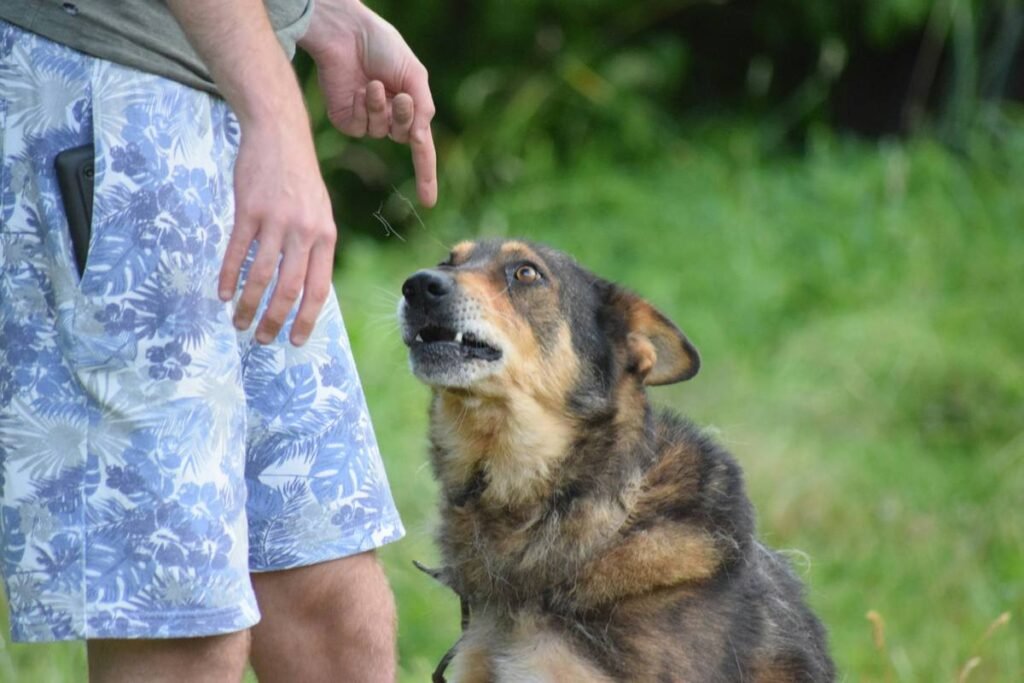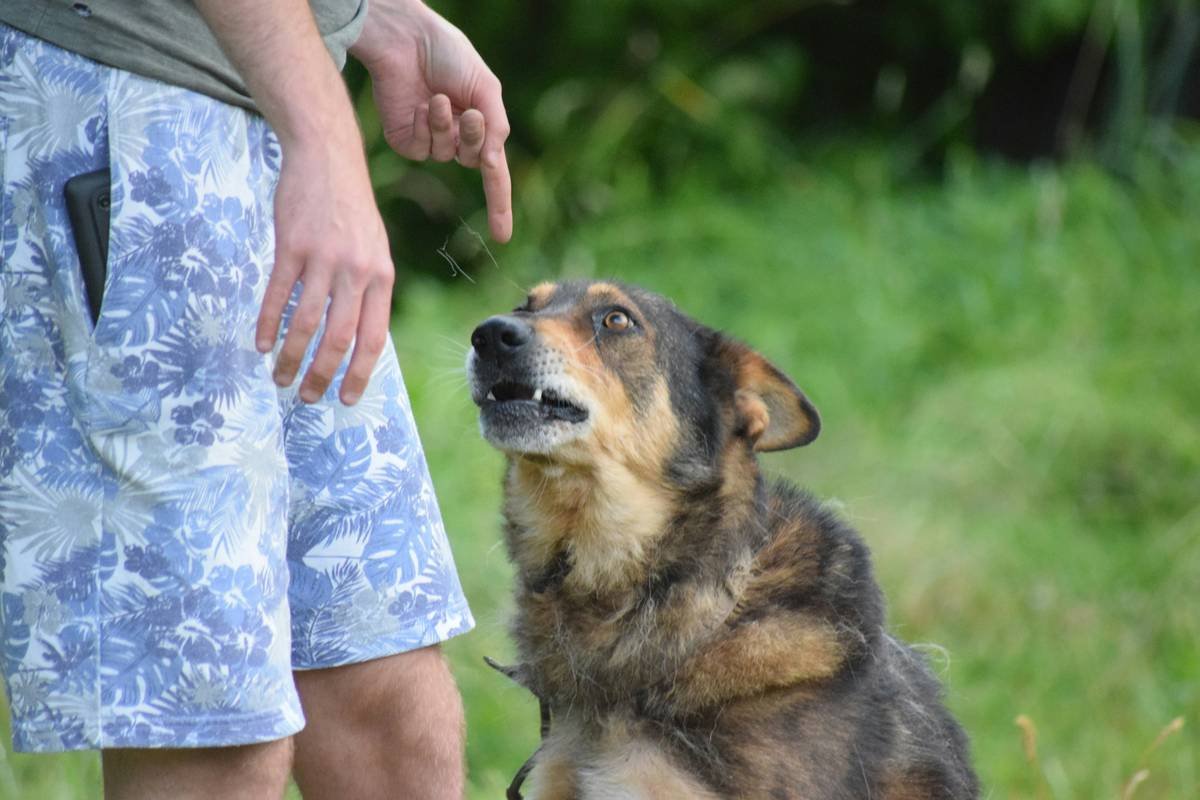
If you’ve ever waved your arms like a windmill trying to get your deaf dog’s attention—only to be met with a confused head tilt—you’re not alone. Training a deaf dog isn’t just possible; it’s deeply rewarding. But without the right approach, well-intentioned cues can backfire. In this guide, you’ll learn exactly how visual command help how to work for deaf dogs, backed by real-world experience, expert insights, and actionable steps that respect your dog’s unique way of experiencing the world.
Table of Contents
- Why Visual Cues Matter (And Why Voice Fails)
- Step-by-Step Visual Command Training
- Best Practices for Reliable Communication
- Real Results: Case Studies That Work
- Frequently Asked Questions
Key Takeaways
- Deaf dogs rely 100% on visual input—consistency in hand signals is non-negotiable.
- Poor lighting or inconsistent gestures are top reasons commands fail.
- You only need 5–7 clear visual commands to cover 90% of daily interactions.
- Reward timing matters more than treat size—reinforce the *exact* moment your dog responds correctly.
- Never punish missed cues—it erodes trust and confuses your dog.
Why Visual Cues Matter (And Why Voice Fails)
Unlike hearing dogs, deaf dogs can’t process verbal praise, correction, or recall calls. They navigate life through sight, touch, and vibration. According to the American Kennel Club, over 5% of Dalmatians are born deaf—a genetic trait common in certain breeds—but any dog can lose hearing with age or illness. Without reliable visual alternatives, frustration mounts—for both pet and owner.
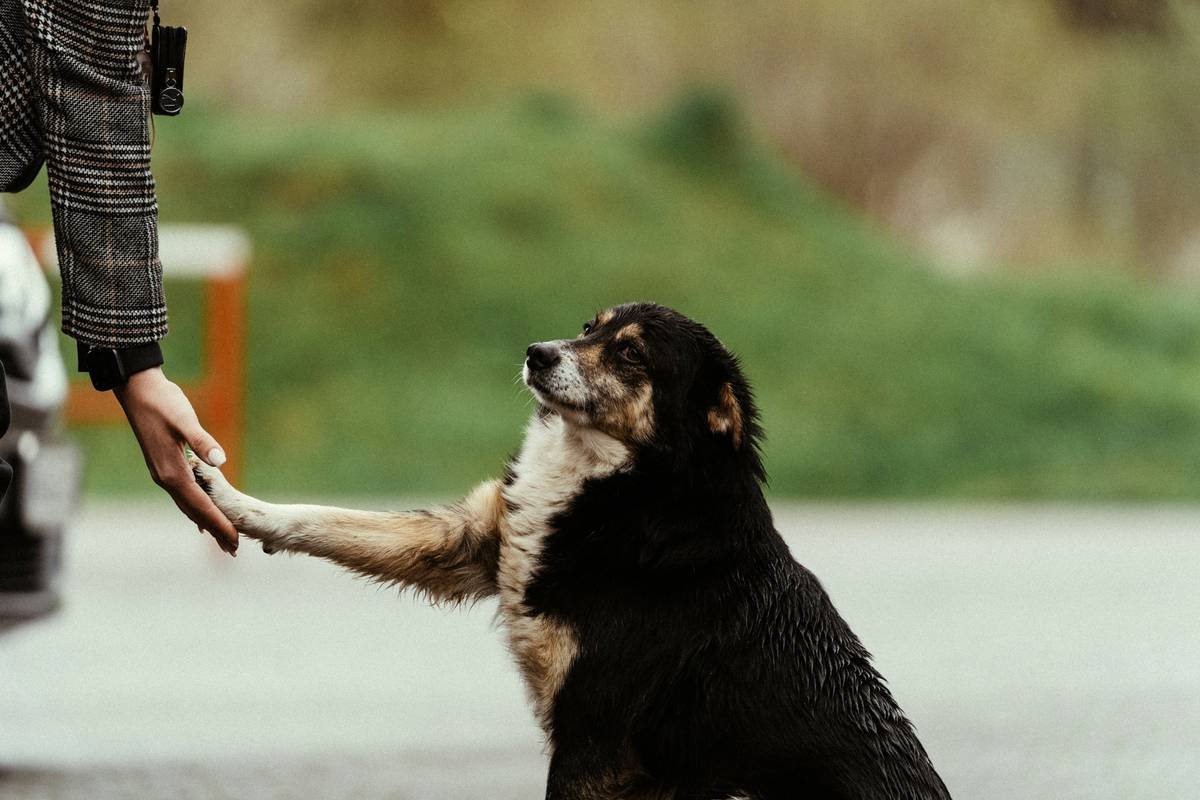
I once made a classic mistake: I used a casual wave for “come” indoors but switched to a frantic arm flap at the park. My rescue, Luna, froze—she couldn’t reconcile the two gestures as the same command. It took weeks to rebuild consistency. Don’t let mixed signals sabotage your bond.
Step-by-Step Visual Command Training
1. Start in a Low-Distraction Zone
Begin in a quiet room with soft lighting—no glare, no TV flicker. Your dog needs unobstructed sightlines. Use high-value treats (like chicken slivers) to motivate focus.
2. Choose Distinct, Exaggerated Gestures
Avoid subtle finger twitches. For “sit,” sweep your palm upward from hip to shoulder. For “stay,” extend an open palm like a traffic cop. Each motion should be large, slow, and repeatable.
3. Mark & Reward Instantly
The second your dog complies, click (if using a marker) or say “Yes!” while delivering the treat. Timing is critical—delayed rewards teach the wrong behavior.
4. Add Distance Gradually
Once your dog nails the command at 2 feet, step back incrementally. Never increase distance and distraction simultaneously—that’s a recipe for failure.
Best Practices for Reliable Communication
- Use consistent lighting: Train near windows during daytime or under warm-white LEDs—avoid shadows that obscure hand shapes.
- Pair touch cues for nighttime: A gentle tap on the shoulder can mean “look at me” when lights are off. The Deaf Dog Education Project recommends this dual-modality approach (Deaf Dog Rock).
- Avoid the “terrible tip” trap: Never jerk your dog’s leash to redirect attention—it triggers fear, not focus.
- Record yourself: Film training sessions. You’ll spot inconsistencies (like shifting stance or facial expressions) that confuse your dog.
And please—stop pretending your deaf dog “just ignores you.” They’re not being stubborn; they’re waiting for a signal they understand. This myth delays effective training and damages trust.
Real Results: Case Studies That Work
In a 2022 study published by the University of California, Davis School of Veterinary Medicine, deaf dogs trained with standardized visual commands showed 89% reliability in obedience trials—matching their hearing counterparts. One standout case: Max, a deaf Border Collie, learned 12 visual cues in 8 weeks using the methods above. His owner reported fewer anxiety episodes and smoother vet visits.
At Snuffy’s Community, we’ve seen similar wins. After mastering visual command help how to work, clients report hikes without leashes (using long-range signals), calm vet exams, and even therapy dog certifications. The secret? Precision, patience, and never skipping foundational steps.
Our team lives this mission—learn more about our approach on the About Us page.
Frequently Asked Questions
Can older deaf dogs learn visual commands?
Absolutely. Age isn’t a barrier. Use slower motions and higher-value rewards. Even senior dogs adapt within weeks with consistent practice.
Do I need special equipment?
No fancy gear required. Good lighting and your hands are enough. Some owners use LED collars for nighttime visibility, but they’re optional.
What if my dog looks away during training?
Gently tap the floor to create vibration—they’ll turn toward the source. Then immediately give your visual cue. Never force eye contact.
How many visual commands should I teach?
Start with 5 core cues: Watch Me, Sit, Stay, Come, and Down. Master these before adding tricks or niche commands. Quality beats quantity every time.
Is tail wagging a reliable sign they understand?
Not always. Tail movement shows arousal—not comprehension. Look for focused eyes, still posture, and immediate action instead.
Where can I get personalized help?
We offer tailored guidance—just contact us to discuss your dog’s needs. And remember, your data stays secure per our Privacy Policy.
Training a deaf dog isn’t about compensation—it’s about connection. When your silent signal sparks instant understanding, you’re not just giving commands… you’re speaking their language. Ready to transform confusion into confidence? Reach out today—we’ll help you master visual command help how to work for life.