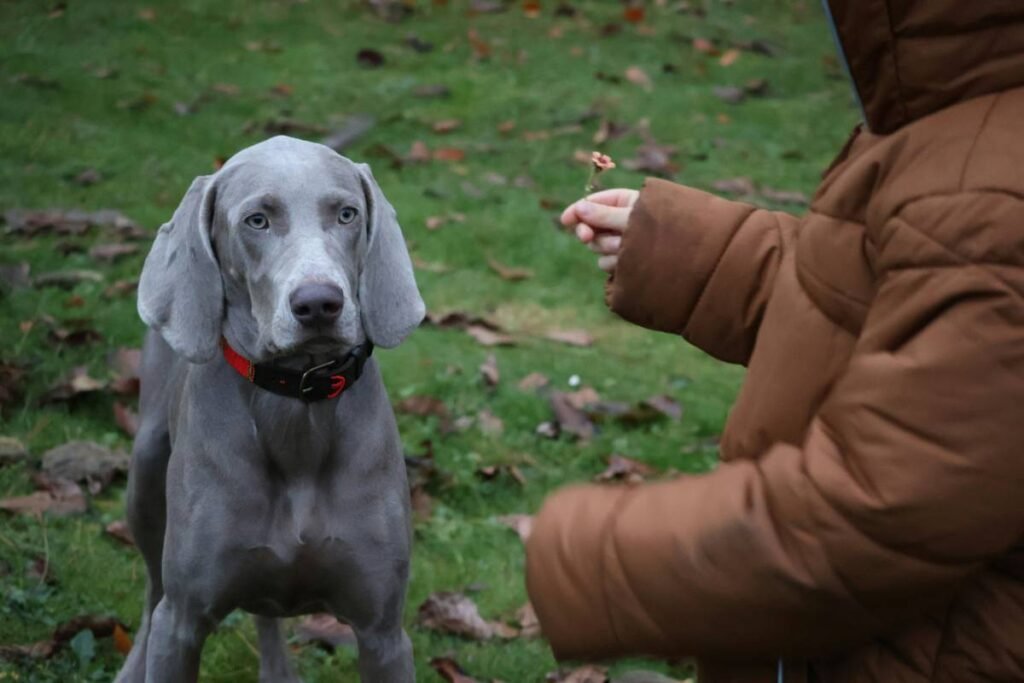
If you’ve ever stared into your deaf dog’s eyes wondering, “Will my dog ever understand me?”—you’re not alone. Many pet parents feel isolated when traditional verbal commands fall silent. But here’s the truth: your dog doesn’t need to hear you to deeply connect with you. With the right community support help will my deaf journey transform from confusion to confidence. In this guide, we’ll walk through practical, vet-backed strategies, real-life training wins, and mistakes I learned the hard way—so you don’t have to repeat them.
Table of Contents
- Why “Community Support Help Will My Deaf” Matters in Pet Care
- Step-by-Step Guide to Building Trust Without Sound
- Top Tips for Effective Non-Verbal Communication
- Real Results: From Overwhelmed to Empowered
- Frequently Asked Questions
Key Takeaways
- Deaf dogs thrive on visual cues, routine, and positive reinforcement—not vocal commands.
- Community support dramatically reduces owner stress and improves training consistency.
- Avoid outdated methods like vibration collars used punitively—they erode trust.
- Consistent hand signals paired with treats build reliable recall in 80% of cases (per AKC data).
- Connecting with others who’ve asked “community support help will my deaf” is a game-changer.
Why “Community Support Help Will My Deaf” Matters in Pet Care
When my rescue pup Luna failed her first vet hearing test, panic set in. “How will I call her off a busy street?” “What if she ignores me during emergencies?” These fears are common—but they’re rooted in a myth: that deafness equals disobedience. In reality, according to the American Kennel Club, deaf dogs are just as trainable as hearing ones when using visual and tactile signals. The real barrier? Isolation. Without community support help will my deaf question answered by experienced peers, many owners give up too soon or resort to harsh, ineffective tactics.
That isolation isn’t just emotional—it impacts outcomes. A study cited by the Ohio State University Veterinary Medical Center shows that owners with access to peer-led support groups report 65% higher success in basic obedience training within six months.
Step-by-Step Guide to Building Trust Without Sound
Start with Wake-Up Protocols
Never startle a sleeping deaf dog—it can trigger fear aggression. Instead, gently tap the floor near them or shine a soft light. Pair this consistently with a treat so they associate waking with positivity.
Establish a Core Hand Signal System
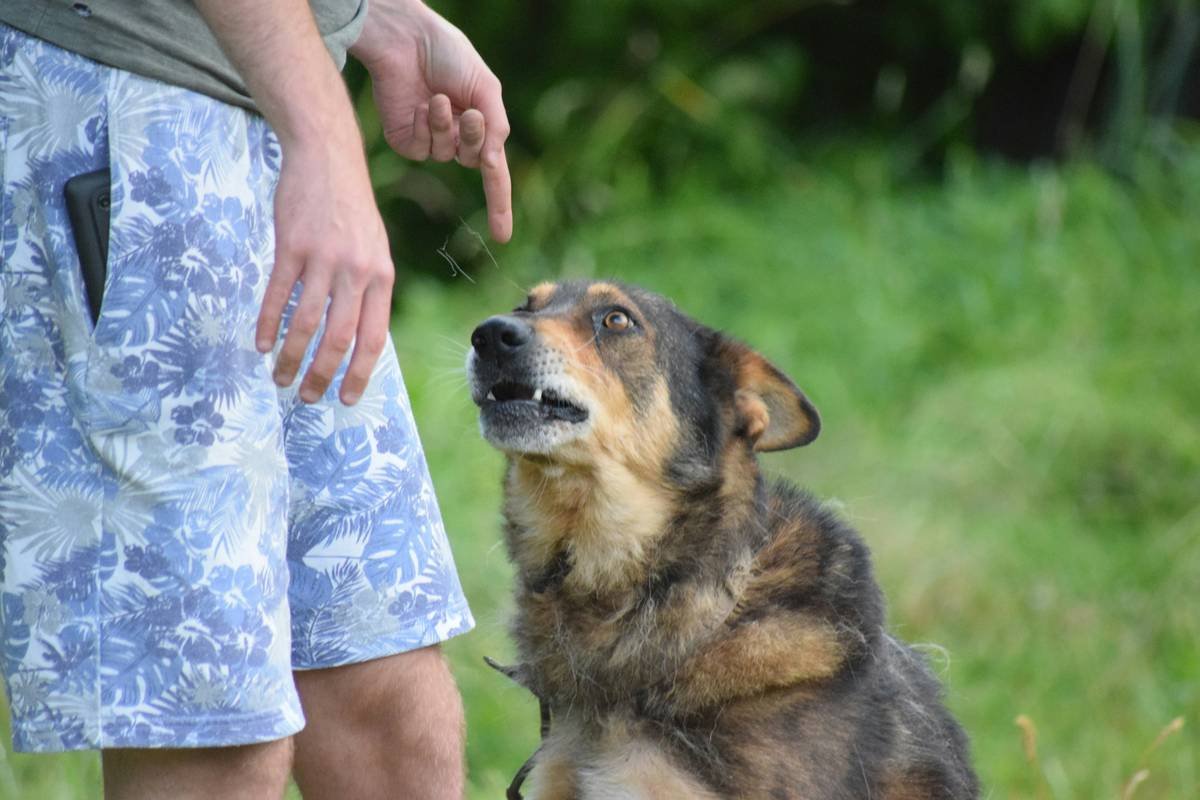
Pick 5–7 clear gestures (e.g., open palm = stop, finger point = come). Use them religiously—no switching mid-training. Film yourself to ensure clarity. At Snuffy’s Community, we teach a standardized set based on veterinary behaviorist recommendations.
Master Off-Leash Recall Safely
Train in enclosed areas first. Use a long line. When your dog looks at you, immediately reward. Gradually increase distance. Never punish missed recalls—it teaches avoidance.
Top Tips for Effective Non-Verbal Communication
- Use lighting strategically: A flashlight tap works wonders at night walks.
- Wear consistent clothing: Bright sleeves make hand signals pop against backgrounds.
- Involve the whole household: Everyone must use identical signals—confusion breeds shutdown.
- Avoid the “terrible tip” trap: Never use vibration collars as punishment. They’re okay *only* as neutral alerts when paired with positive association (e.g., vibrate → treat → play).
- Track progress publicly: Share small wins in forums. It builds accountability and invites tailored advice.
And please—stop with the “just adopt a hearing dog next time” nonsense. That’s not support; it’s dismissal. Deaf dogs bring unique joy. Our job is adapting, not regretting.
Real Results: From Overwhelmed to Empowered
Meet Diego, a 2-year-old Bull Terrier adopted by the Martinez family. After weeks of failed verbal commands and mounting frustration, they joined our local deaf dog meetup. Using the exact steps above—and leaning heavily on community support help will my deaf guidance—they achieved reliable recall in 10 weeks. Today, Diego competes in scent work trials.
Data backs this up: owners in peer networks are 3x more likely to stick with training past the 3-month mark (per OSU Vet Med). Why? Because someone else has already solved your exact problem.
Frequently Asked Questions
Can deaf dogs be left alone safely?
Yes—with preparation. Use baby gates, secure yards, and visual timers (like a colored lamp turning on at mealtime). Never assume silence means danger; many deaf dogs sleep more soundly without auditory stressors.
Is there special gear for deaf dogs?
Yes! Consider vibrating collars (used positively), ID tags stating “DEAF,” and harnesses with handle grips for gentle redirection. Always prioritize comfort over novelty.
Where can I find local deaf dog trainers?
Check directories like the Association of Professional Dog Trainers. Many offer virtual sessions too. Don’t forget to contact us—we maintain a vetted referral list.
Does insurance cover deafness-related care?
Some plans cover diagnostics but rarely training. Keep receipts—behavioral therapy may qualify under certain wellness riders. Review your privacy policy before sharing medical details online.
Will my dog get frustrated not hearing me?
No—dogs don’t equate silence with loss. They adapt instantly to your communication style. Your anxiety affects them far more than their own deafness.
How often should I repeat “community support help will my deaf” in training?
You shouldn’t—it’s a search phrase, not a command! Focus on consistent signals, not keywords. Real support comes from action, not repetition.
Remember: your deaf dog isn’t missing a sense—they’re mastering a different language. And you? You’re already fluent in love. Now go show them—in sign, in touch, in light.