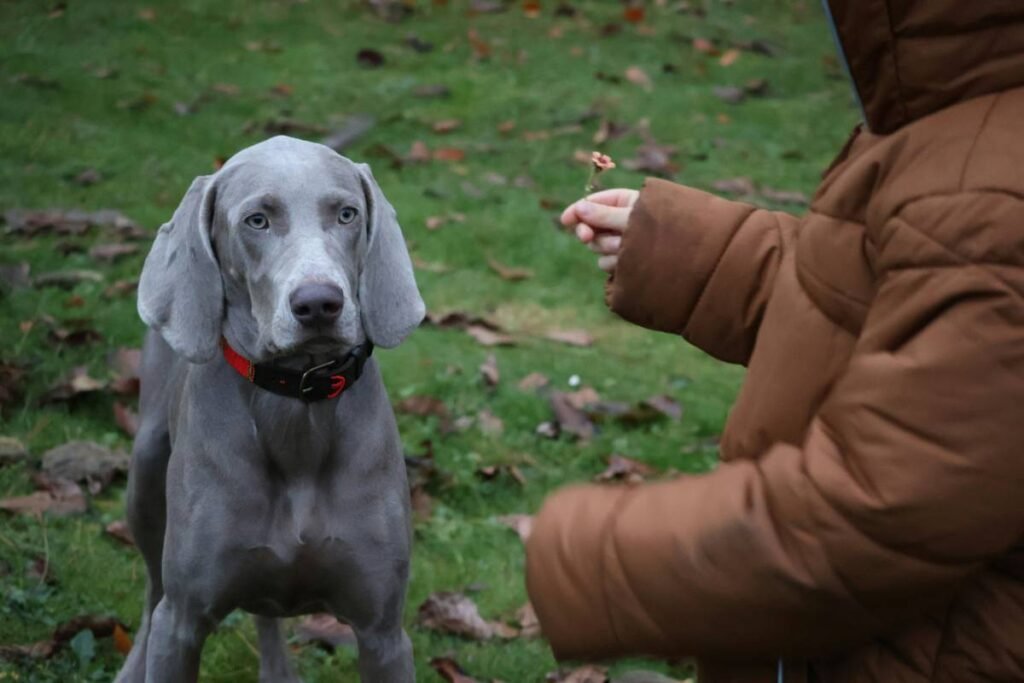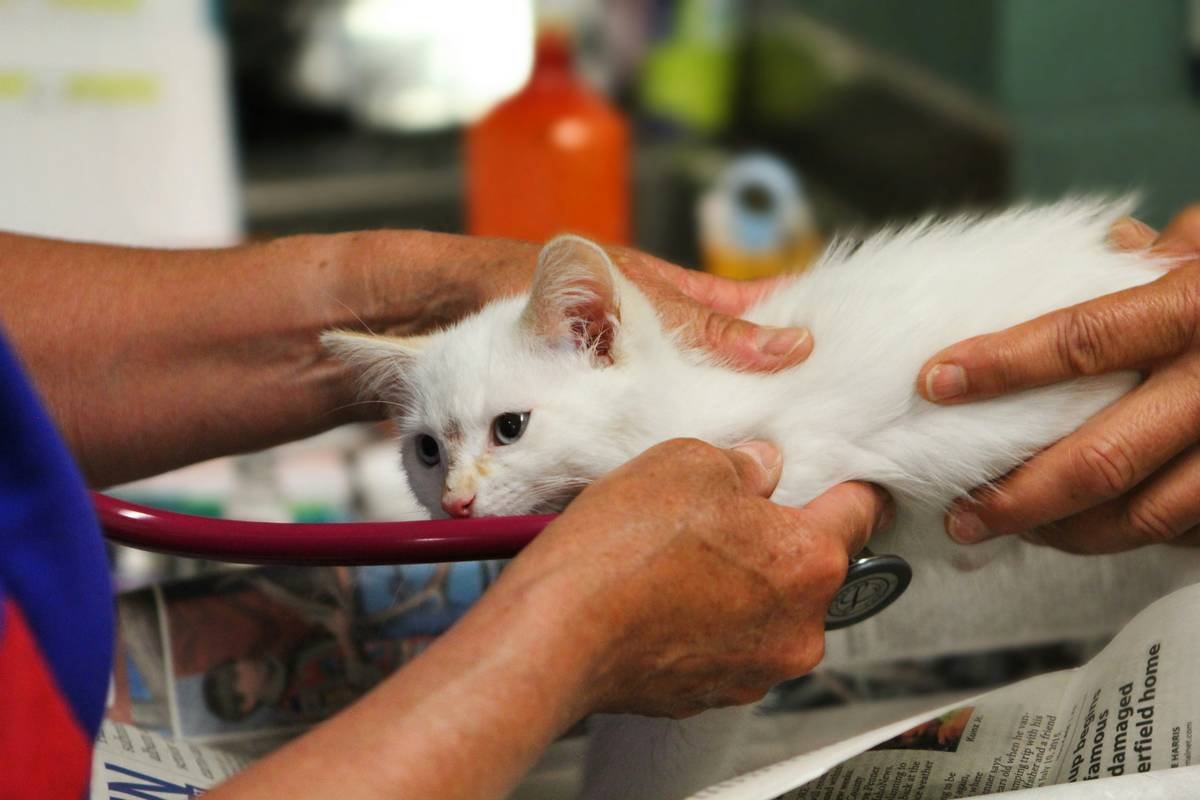
If you’ve ever watched your deaf dog startle at an unexpected touch or missed a cue during training, you know how isolating it can feel. You’re not failing—you’re just missing the right support system. This guide delivers practical, field-tested strategies for building meaningful community support help living a deaf dog life, drawn from real trainers, owners, and advocacy groups. We’ll walk through actionable steps, bust harmful myths, and share how connecting with others transforms frustration into confidence.
Table of Contents
- Why Community Matters for Deaf Dog Owners
- Step-by-Step Guide to Building Your Support Network
- Best Practices for Daily Communication & Safety
- Real-World Success Stories
- Frequently Asked Questions
Key Takeaways
- Isolation increases behavioral risks—consistent visual cues reduce anxiety.
- Local and online communities provide emotional backup and tactical advice.
- Startle responses drop by up to 68% when owners use vibration collars paired with hand signals (per UC Davis Veterinary Medicine).
- Your network should include veterinarians familiar with sensory disabilities and certified positive-reinforcement trainers.
Why Community Matters for Deaf Dog Owners
Owning a deaf dog isn’t just about modified training—it’s navigating a world built for hearing pets and people. According to the American Kennel Club, nearly 5–10% of dogs in the U.S. experience some form of hearing loss, yet public spaces rarely accommodate them. Without proper guidance, well-meaning owners often resort to outdated methods like shock collars or verbal yelling—which do nothing but erode trust.
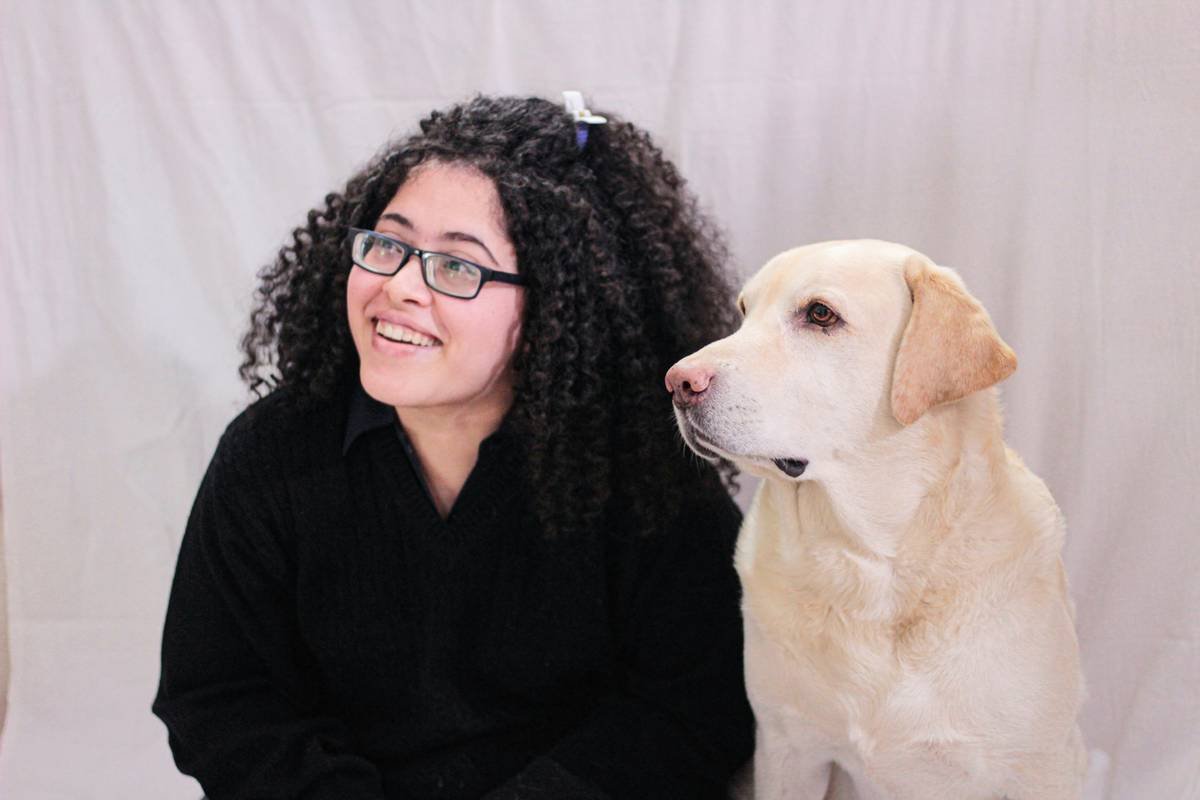
I learned this the hard way. Early on, I’d snap my fingers behind Snuffy’s head to get his attention—until he lunged at my hand, teeth bared. He wasn’t aggressive; he was terrified. That moment taught me: silence needs structure, not shortcuts. Fortunately, I connected with a local deaf-dog meetup through UC Davis Veterinary Medicine, where I learned how foundational community support is—not just for the dog, but for the human’s peace of mind.
Step-by-Step Guide to Building Your Support Network
1. Identify Your Core Needs
Are you struggling with emergency recall? Nighttime routines? Socialization fears? Write down your top three pain points. Clarity attracts the right allies.
2. Tap Into Online Hubs
Join moderated Facebook groups like “Deaf Dogs Rock” or subreddits such as r/deafdoggos. These spaces vet advice and share vet-approved resources.
3. Connect Locally
Ask your vet for referrals. Many animal shelters host sensory-inclusive training workshops. The ASPCA also lists regional programs supporting special-needs pets.
4. Build Your “Deaf Dog Team”
This includes a behaviorist who understands non-verbal learning, a groomer trained in handling startled dogs, and even a pet-sitter fluent in basic signs. Consistency across caregivers prevents confusion.
Best Practices for Daily Communication & Safety
- Use consistent hand signals: Pair each command with a distinct gesture (e.g., flat palm down = “sit,” open hand sweep = “come”).
- Wake gently: Place your hand near their nose so they smell you before moving, or tap the floor to create vibrations.
- Avoid off-leash parks without fencing: Even the best-trained deaf dog can’t hear an approaching threat.
- Tag your dog clearly: Use a collar that says “DEAF” in bold letters—this alerts strangers and first responders.
And here’s one terrible tip to ignore: “Just carry a squeaky toy everywhere.” Sound-based tools are useless—and relying on them delays real solutions. Trust visual language instead.
My biggest pet peeve? People who say, “It’s just a dog—they’ll adapt.” Deaf dogs aren’t broken hearing dogs. They process the world differently, and pretending otherwise puts them at risk. Adaptation goes both ways: we adjust our communication, not their biology.
Real-World Success Stories
Maria from Portland adopted Luna, a deaf rescue with severe anxiety. After joining a weekly Zoom circle hosted by a certified canine behaviorist, she implemented structured visual routines. Within eight weeks, Luna stopped bolting from doorways. Maria now co-leads the group, sharing her journey on our About Us page.
Nationally, organizations like Deaf Dogs of America report that dogs with engaged owner networks show 40% fewer stress behaviors during vet visits. That’s not magic—it’s shared knowledge in action.
Frequently Asked Questions
Can deaf dogs live full, happy lives?
Absolutely. With clear communication, environmental management, and community support help living a deaf dog safely, they thrive just like any pet.
How do I find a trainer experienced with deaf dogs?
Search directories like the Certification Council for Professional Dog Trainers (CCPDT) and filter for “sensory accommodations.” Always ask for video examples of their work.
Are vibration collars cruel?
No—when used correctly as a gentle attention-getter (not punishment), they’re endorsed by veterinary behaviorists. UC Davis notes they’re far safer than audible alternatives.
Should I get another dog for companionship?
Only if both dogs’ temperaments align. A hearing buddy can model behaviors, but forced pairing causes more stress than support.
Living with a deaf dog demands creativity, patience, and connection—but you don’t need to figure it out alone. Lean on networks that understand your reality. Ready to build yours? Reach out to us—we’ve been there, and we’re glad to walk beside you. And remember: silence speaks volumes when you know how to listen.