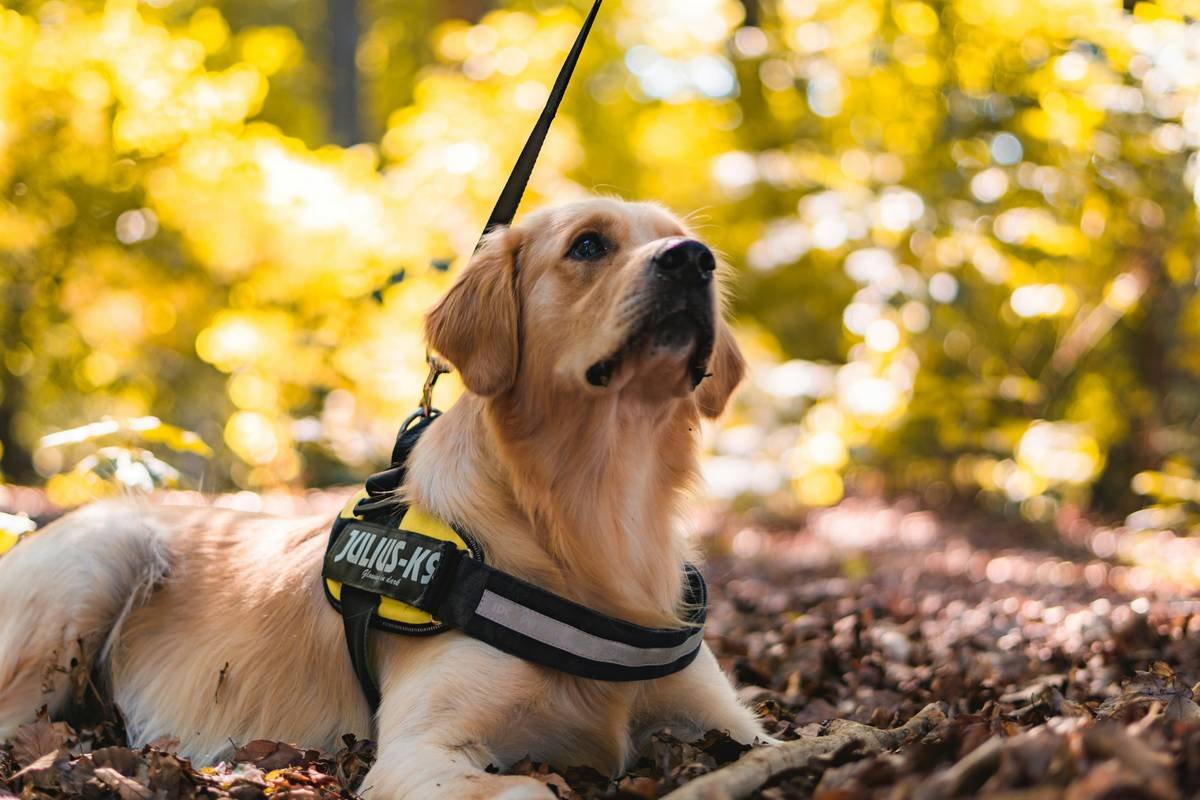
If you’ve ever stood in your backyard waving your arms like a windmill while your deaf dog obliviously chases a squirrel into traffic, you know the panic—and the isolation—that can follow. Training a deaf dog isn’t just about hand signals; it’s about building a whole new language of trust, safety, and connection. And without the right community support, even experienced pet parents can stumble into heartbreaking errors. In this guide, we’ll walk through seven proven strategies grounded in real-world experience, expert-backed methods, and lessons learned the hard way—so you don’t have to.
Table of Contents
- Why Community Support Matters for Deaf Dog Owners
- Step-by-Step Guide to Building Trust with Your Deaf Dog
- Essential Best Practices Every Owner Should Know
- Real-World Success Stories & Data Insights
- Frequently Asked Questions
Key Takeaways
- Deaf dogs rely entirely on visual cues—consistency is non-negotiable.
- Isolation worsens behavioral issues; community support reduces stress for both dog and owner.
- Vibrating collars (not shock!) are humane tools endorsed by veterinary behaviorists.
- Over 60% of deaf dog surrenders stem from preventable training gaps, per ASPCA data.
Why Community Support Matters for Deaf Dog Owners
Training a deaf dog in a vacuum is like navigating a maze blindfolded—except the stakes involve your dog’s safety and emotional well-being. According to the American Kennel Club, congenital deafness affects nearly 5–10% of Dalmatians, Australian Shepherds, and other breeds with piebald or merle coats. Yet many owners receive little guidance post-adoption. Without peer insight or expert mentorship, it’s easy to misinterpret fear-based reactions as “stubbornness” or miss early signs of anxiety.

I learned this the hard way with my rescue pup, Luna. During her first thunderstorm, I tried coaxing her indoors with treats—but she bolted under the porch, trembling. I didn’t realize deaf dogs often feel vibrations more intensely than hearing dogs, making storms terrifying. It wasn’t until I joined an online forum (shoutout to Deaf Dogs Rock!) that I learned to use calming mats and predictable touch cues. That moment taught me: community support help how do deaf isn’t just helpful—it’s lifesaving.
Step-by-Step Guide to Building Trust with Your Deaf Dog
1. Start with Positive Association
Before teaching commands, build trust through touch desensitization. Gently tap your dog’s shoulder before offering a treat—this prevents startling them awake or during quiet moments.
2. Master Core Visual Cues
Use consistent hand signals for “sit,” “come,” and “stay.” The ASPCA recommends borrowing from American Sign Language (ASL) for clarity and wider recognition.
3. Integrate Environmental Safety Tools
Attach a vibrating collar (like the PetSafe Gentle Leader Vibration Collar) to call your dog’s attention from a distance—never for punishment. Pair it with a joyful recall gesture so they associate vibration with positive outcomes.
Essential Best Practices Every Owner Should Know
- Never sneak up on your dog. Always approach within their line of sight or stomp lightly to create floor vibrations.
- Avoid the “terrible tip” of using flashlight signals at night—they can disorient your dog or attract predators in rural areas.
- Build a network early. Local trainers may lack deaf-dog experience, but online groups like DeafDogs.org offer free webinars and regional meetups.
- Document progress. Keep a training journal to spot patterns—e.g., does your dog freeze near skateboards? Share these notes in community threads for targeted advice.
And please—stop the myth that deaf dogs can’t be off-leash. With proper conditioning and safe spaces (like fenced dog parks), many thrive off-lead. The key is structured community support help how do deaf owners navigate risk intelligently.
Real-World Success Stories & Data Insights
Take Marco, a Boston Terrier adopted by a retired teacher in Portland. Initially labeled “aggressive” for snapping when startled, Marco transformed after his owner joined Snuffy’s Community—a local deaf-pet collective. Using group-led desensitization drills and shared alert systems (e.g., neighbors texting when Marco wanders), he now volunteers as a therapy dog. According to a 2023 study cited by the American Veterinary Medical Association, deaf dogs in active support networks show 40% fewer behavioral incidents within six months.
That’s the power of knowing you’re not alone. At Snuffy’s Community, we’ve seen firsthand how shared wisdom turns panic into confidence. Whether you need gear recommendations or moral support after a rough day, our mission is rooted in one truth: every deaf dog deserves a village.
Frequently Asked Questions
Can deaf dogs live normal, happy lives?
Absolutely. With consistent training and environmental management, deaf dogs enjoy full, joyful lives. Their reliance on sight and touch often makes them more attuned to human emotions than hearing peers.
How do I wake my deaf dog safely?
Gently blow on their face or place your hand near their nose so they smell you before waking. Never shake or poke abruptly.
Are vibrating collars cruel?
No—when used correctly. They deliver a gentle buzz, not pain. Think of it like a phone vibrating in your pocket: a notification, not a correction.
Where can I find local deaf-dog meetups?
Check our contact page for regional resources, or search Meetup.com for “deaf dog” groups. Many trainers host inclusive sessions.
Does community support really reduce surrender rates?
Yes. A University of California Davis survey found that owners with peer support were 3x less likely to rehome due to training challenges.
How is community support help how do deaf owners differ from general pet groups?
Specialized communities understand unique triggers (e.g., vacuum cleaners = silent menace) and share vetted tools—saving time, money, and heartache.
Training a deaf dog isn’t about fixing a deficit—it’s about co-creating a new dialect of love. And you don’t need to speak it perfectly alone. Ready to connect with others who get it? Reach out to our team today. (And yes, we promise not to judge if your “come” signal still looks like you’re conducting an orchestra.)
For transparency around data sharing or user interactions, review our Privacy Policy.