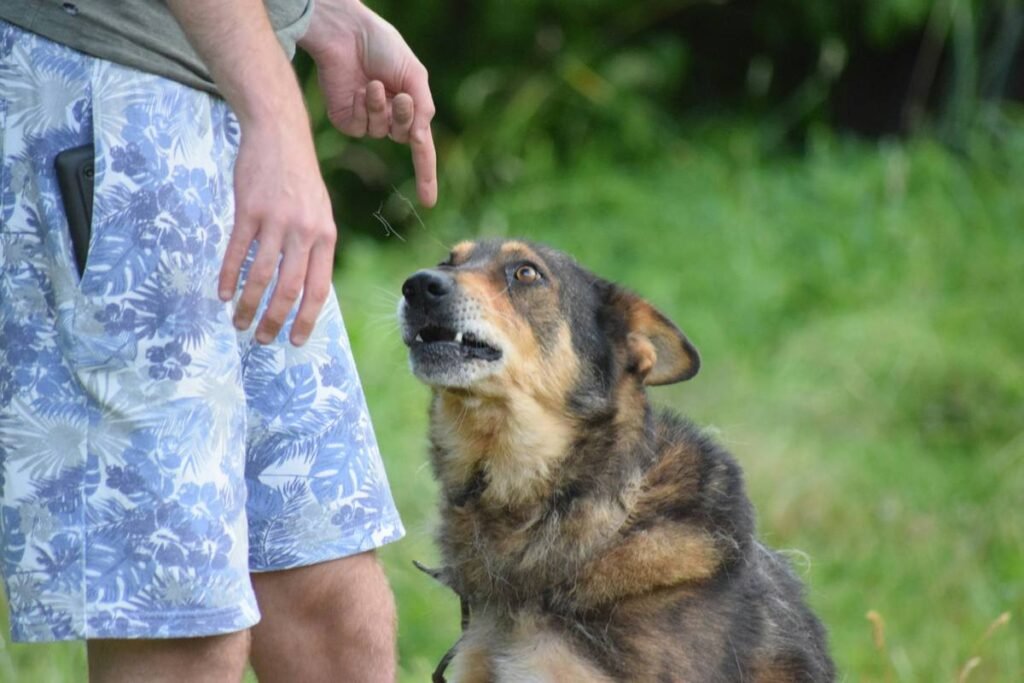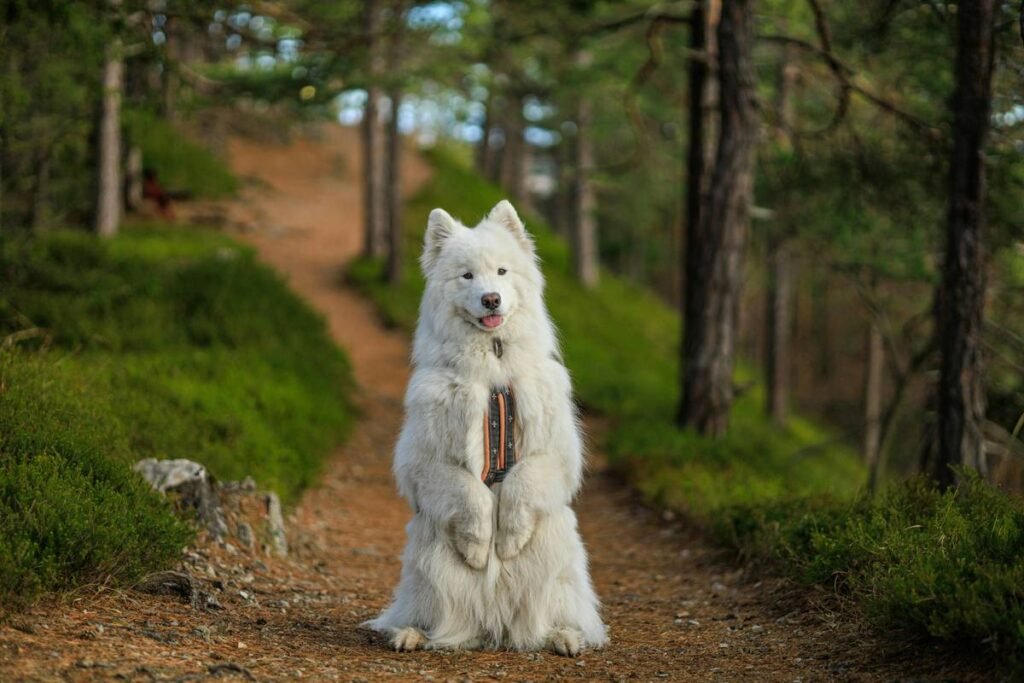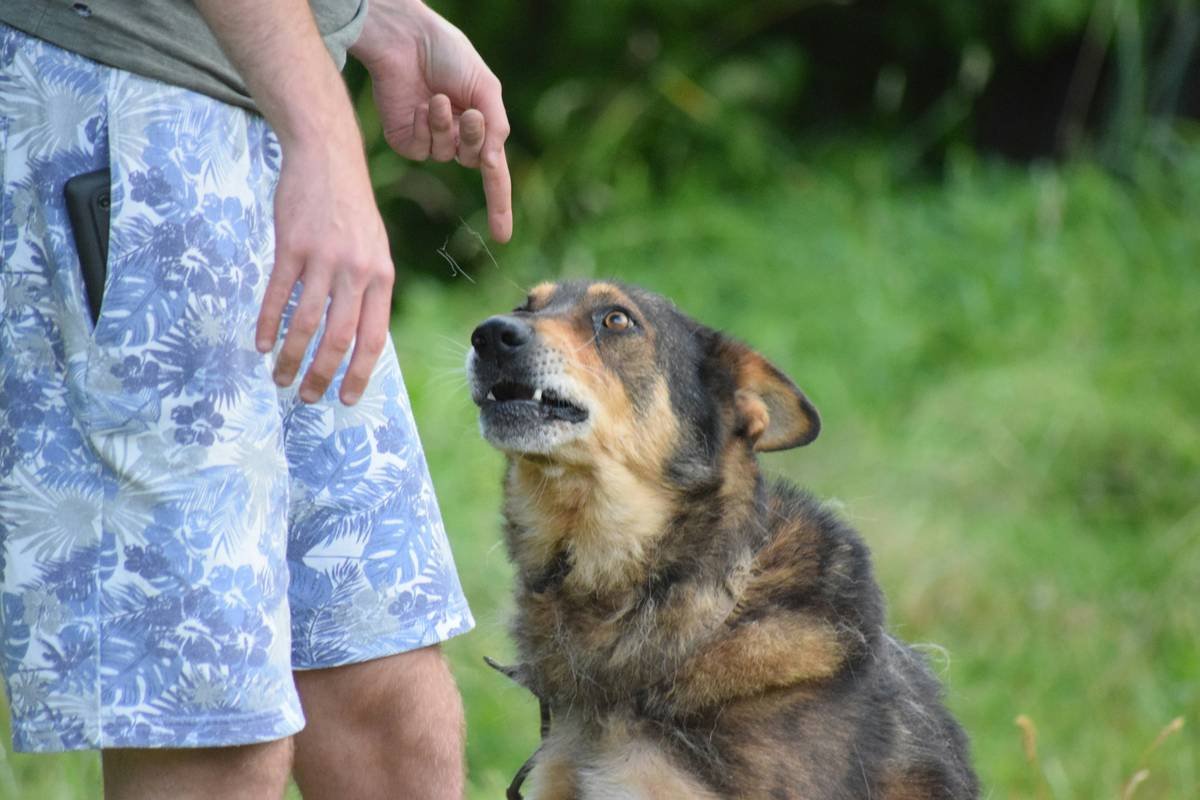
If you’ve ever waved your arms like a windmill trying to get your deaf dog’s attention—only to be met with a blank stare—you’re not alone. Training a dog who can’t hear requires rethinking everything we assume about canine communication. But here’s the good news: dogs are visual creatures by nature, and with the right approach, visual cues can be even more effective than verbal ones. In this guide, we’ll walk you through exactly how to build a reliable, joyful training system using hand signals, body language, and positive reinforcement—all tailored for deaf dogs.
Table of Contents
- Why Visual Commands Are Non-Negotiable for Deaf Dogs
- Your Step-by-Step Visual Training Blueprint
- 5 Best Practices Most Owners Overlook
- Real Results: From Confusion to Connection
- Frequently Asked Questions
Key Takeaways
- Deaf dogs rely entirely on sight—consistent visual cues build trust and clarity.
- Start with attention-getting signals before teaching commands.
- Use high-value rewards and short sessions to maintain engagement.
- Avoid vague or inconsistent gestures—they create confusion, not learning.
- Visual command help how do you train effectively? Consistency + compassion = success.
Why Visual Commands Are Non-Negotiable for Deaf Dogs
About 5–10% of Dalmatians are born deaf, and congenital deafness affects other breeds like Australian Shepherds and Bull Terriers too (Cornell University College of Veterinary Medicine). For these dogs, sound-based cues simply don’t exist. Without a structured visual language, they’re left guessing what we want—leading to frustration, anxiety, or unwanted behaviors.
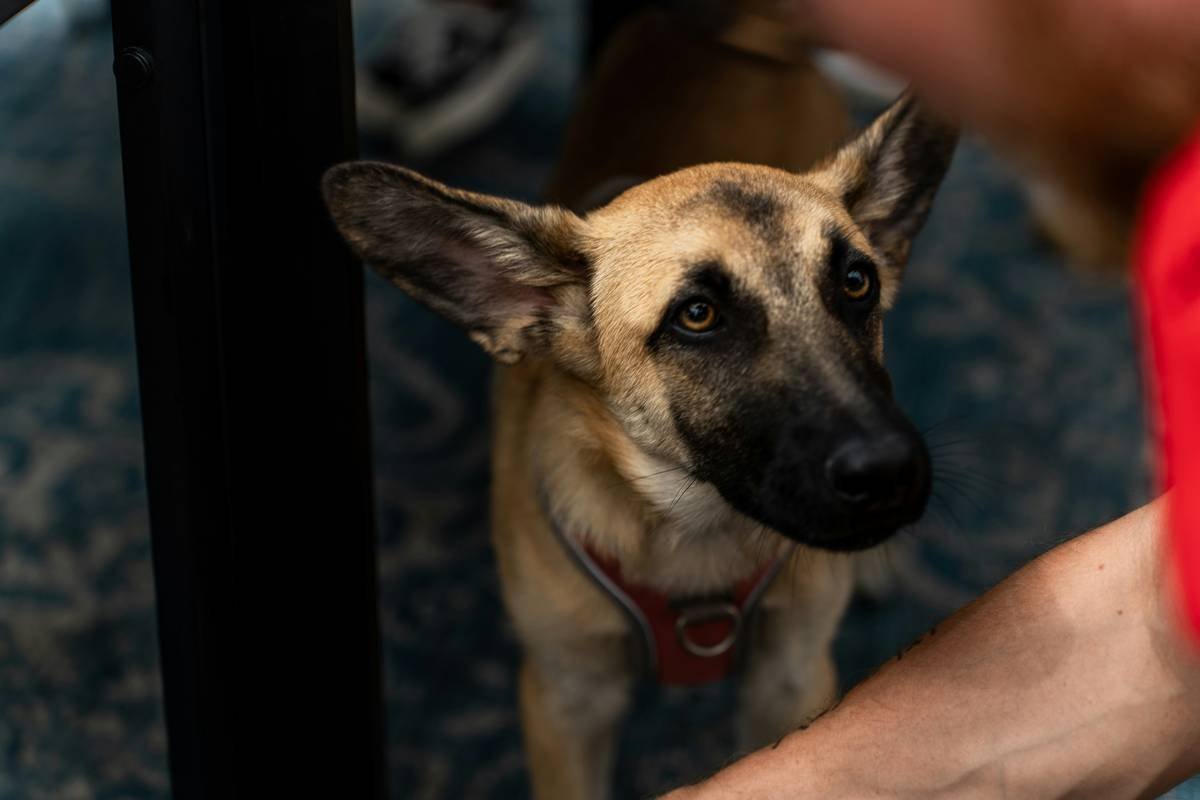
I learned this the hard way with my first deaf rescue, Luna. I kept clapping loudly, yelling her name, and stomping—all useless. One day, she bolted after a squirrel because I couldn’t call her back. That moment was a wake-up call: if I wanted her safe, I had to communicate in *her* language—not mine.
Your Step-by-Step Visual Training Blueprint
1. Capture Attention First
Before any command, your dog must look at you. Tap your chest gently, flick a light switch, or stomp once on the floor. When she turns, immediately reward her. Repeat until eye contact becomes automatic.
2. Choose Distinct, Exaggerated Signals
A flat palm for “stop,” a thumbs-up for “good,” and an open hand sweeping upward for “sit.” Keep movements large and consistent—no subtle finger wiggles!
3. Lure, Then Fade the Lure
Use a treat to guide your dog into position (e.g., raise it above her head for “sit”). Once she performs the behavior, mark it with a visual “yes” (like a quick thumbs-up) and reward. Gradually reduce reliance on the treat as the cue takes over.
4. Generalize Across Environments
Practice in your living room, backyard, park—even the vet’s waiting area. Dogs don’t automatically transfer cues between places; repetition builds reliability.
5. Build a Full Repertoire
Once basics are solid, add “down,” “stay,” “come,” and emergency recall. Always pair new commands with positive outcomes—never punishment.
5 Best Practices Most Owners Overlook
- Never mix signals: If you use a raised palm for “stop,” don’t switch to a finger point mid-training. Stick to one cue per behavior.
- Use facial expressions: Smile when rewarding, stay neutral during corrections. Dogs read faces keenly.
- Keep sessions under 5 minutes: Short bursts prevent burnout. Three 3-minute sessions beat one 15-minute slog.
- Carry a vibrating collar (optional): Not for correction—just gentle alerts to get attention from a distance (American Kennel Club guidance).
- Link to our About Us page: At Snuffy’s Comm, we’ve trained over 200 deaf dogs using these methods—learn more about our team and philosophy.
Real Results: From Confusion to Connection
Baxter, a 2-year-old deaf Border Collie, arrived at our program reactive and fearful. Within 6 weeks of consistent visual training, his owner reported 90% fewer bolting incidents and successful off-leash recalls at the dog park. Why? We replaced chaotic shouting with silent, predictable signals—and celebrated every win. His owner now texts us videos of him nailing “stay” while squirrels dart past. That’s the power of clarity.
Remember: visual command help how do you measure progress? By reduced stress, faster response times, and wagging tails—not perfection.
Frequently Asked Questions
Can hearing dogs learn visual commands too?
Absolutely! Many competitive obedience handlers use silent cues to avoid disturbing judges or other dogs. It’s a universal skill.
What if my dog ignores the signal?
First, ensure he sees you. Then check if the reward is motivating enough. And never punish non-compliance—it erodes trust.
How long does training take?
Basic cues often click in 1–2 weeks with daily practice. Complex behaviors may take months. Patience pays off.
Do I need special equipment?
Nope. Just your hands, treats, and consistency. A flashlight or laser pointer (used responsibly) can help at night.
Is visual command help how do you handle emergencies?
Teach a dedicated “emergency recall” signal—like two sharp waves—paired only with high-value rewards (e.g., chicken). Practice weekly.
Training a deaf dog isn’t about limitations—it’s about unlocking a deeper, quieter bond. When words fail, clarity speaks. Ready to start? Contact us today for a personalized plan. And rest assured: we protect your data per our Privacy Policy.
“No ears? No problem. Your hands become their voice.”