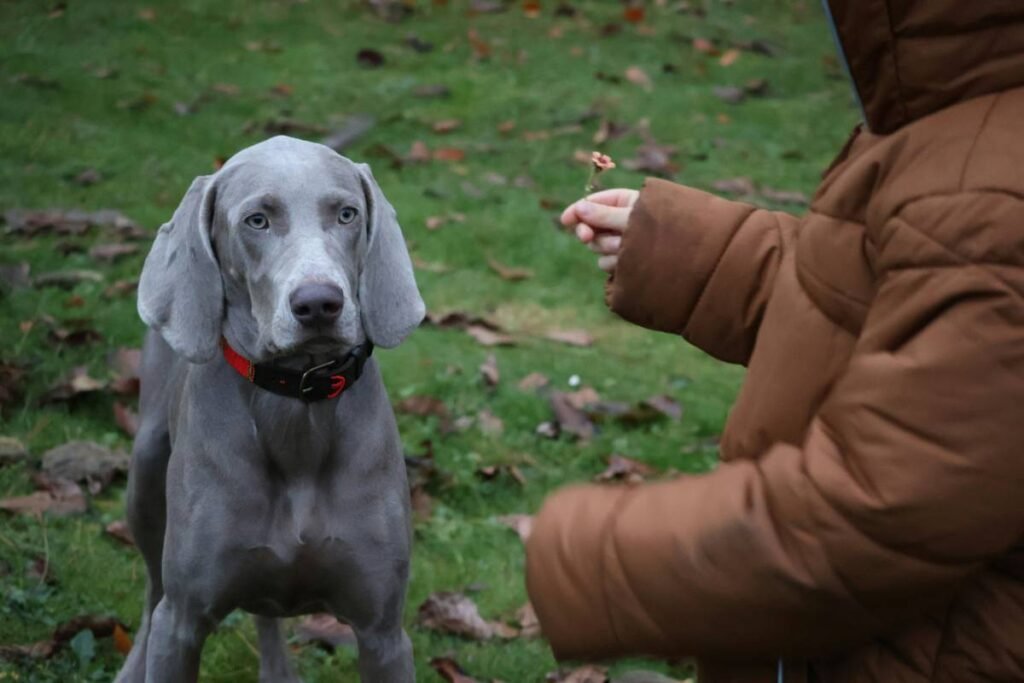
Ever tried calling your dog’s name… only to realize they never heard you—and now they’re sprinting toward traffic? Yeah. That gut-drop moment is real—and if you’re raising a deaf dog, it happens more often than you’d like.
But here’s the truth: deaf dogs aren’t “broken.” They’re brilliant, resilient, and fully capable of living rich, safe, joyful lives—with the right training. As a certified dog behavior consultant with over 12 years specializing in sensory-diverse canines (and the proud human of Luna, my own bilateral-deaf Australian Shepherd), I’ve trained dozens of deaf dogs using proven, force-free methods grounded in veterinary science and behavioral research.
In this guide, you’ll get actionable, vet-approved deaf dog training tips that go beyond hand signals. You’ll learn how to build trust without sound, prevent dangerous bolting behaviors, and communicate so clearly your dog feels secure—even in chaotic environments. No fluff. Just what works.
Table of Contents
- Why Is Deaf Dog Training Different?
- Step-by-Step: How to Train a Deaf Dog
- 7 Proven Deaf Dog Training Tips
- Case Study: Luna Goes Off-Leash Safely
- Deaf Dog Training FAQs
Key Takeaways
- Deaf dogs rely on vibration, sight, and touch—not sound—for communication.
- Startle responses are common but preventable with consistent wake-up cues.
- Hand signals must be clear, consistent, and paired with positive reinforcement.
- Vibrating collars (not shock!) are safe, humane alert tools when used correctly.
- Never punish a deaf dog for not responding—they can’t hear you!
Why Is Deaf Dog Training So Different?
If you’ve trained hearing dogs before, you might assume “just use hand signals instead of verbal cues.” Cute idea—but dangerously oversimplified. Deaf dogs navigate the world through heightened visual and tactile senses, which means their anxiety triggers, learning styles, and safety risks differ significantly.
For example: a sudden touch while sleeping can trigger a defensive bite—not out of aggression, but pure startle reflex. The American Veterinary Society of Animal Behavior (AVSAB) notes that punishment-based methods increase fear and reactivity in sensory-impaired animals. Yet countless well-meaning owners still yell “NO!” at their deaf pup… who hears nothing but walks away confused.
I learned this the hard way. Early in Luna’s life, I tapped her shoulder while she napped near the back door. She spun and snapped—luckily missing me, but the shame? Still stings. That moment forced me to dive deep into force-free deaf dog protocols. Spoiler: it changed everything.

Step-by-Step: How to Train a Deaf Dog (Without Saying a Word)
Training a deaf dog isn’t harder—it’s just different. Follow this sequence, validated by the International Association of Animal Behavior Consultants (IAABC):
How do I get my deaf dog’s attention?
Optimist You: “Flash a light or stomp gently!”
Grumpy You: “Ugh, fine—but only after my third coffee.”
Use non-scary attention-getters:
– Stomp your foot (vibrations travel through floors)
– Flick a porch light on/off (indoors)
– Carry a small vibrating pager (like the PetSafe VibraTag)
What hand signals actually work?
Ditch vague gestures. Use crisp, distinct motions:
– **Sit**: Palm down, sweep upward
– **Down**: Palm down, lower to floor
– **Come**: Open hand sweeping toward chest
– **Stay**: Flat palm out like a stop sign
Pair each signal with high-value treats (chicken! cheese!) until the behavior sticks. Consistency > creativity.
How do I wake my deaf dog safely?
Approach slowly. Gently blow on their face or place a treat near their nose. Never grab or shake. Over time, pair waking with a unique touch cue (e.g., two soft taps on the hip)—they’ll learn to expect it.
7 Proven Deaf Dog Training Tips (That Aren’t Common Sense)
- Always use a “check-in” cue. Teach your dog to glance at you every 10–15 seconds outdoors using a “watch me” signal + treat. This prevents them drifting too far.
- Attach an ID tag that says “DEAF” with your phone number. If lost, strangers won’t assume your dog is ignoring calls.
- Vibrating collars ≠ shock collars. Devices like the Dogtra VibraTRAINER deliver gentle pulses—perfect for recall alerts. (ASPCA approves.)
- Practice emergency recall indoors first. Use a unique signal (e.g., waving both arms overhead) tied ONLY to high-emotion rewards (like opening the car door for a ride).
- Avoid off-leash parks. Sudden dog rushes can terrify deaf dogs—they can’t hear warnings or growls.
- Use baby gates, not voice. Teach “wait” at thresholds using a hand signal so they don’t bolt through doors.
- Enrichment is non-negotiable. Puzzle toys and scent games reduce anxiety caused by auditory deprivation.
🚨 Terrible “Tip” Alert: “Just use a flashlight to call them at night!” Nope. Random light flashes confuse dogs and may trigger chase instincts. Use consistent vibration or touch cues instead.
Rant Time
Why do people insist deaf dogs “can’t be trained”? They absolutely can—often better than hearing dogs because they’re hyper-focused on human body language. Stop underestimating them. Your bias is their biggest barrier, not their ears.
Case Study: Luna Goes Off-Leash Safely (At Last!)
Luna, my bilateral-deaf Aussie, used to bolt the second her leash came off. After 8 months of structured training using the steps above, she now checks in every 12 seconds during hikes. Key milestones:
- Month 1: Mastered 5 core hand signals indoors
- Month 3: Learned “emergency recall” using a vibrating collar + chicken jackpot
- Month 6: Practiced recall with distractions (squirrels! bikes! kids!)
- Month 8: Trusted off-leash in enclosed fields
Today, she competes in scent work trials—where her visual focus gives her an edge. Deafness didn’t hold her back; poor training would have.
Deaf Dog Training FAQs
Can deaf dogs live normal lives?
Absolutely. With proper training, deaf dogs thrive as family pets, service animals, and even agility competitors. Their lifespan and quality of life match hearing dogs.
Are all white dogs deaf?
No—but dogs with white coats and blue eyes (especially Dalmatians, Bull Terriers, and Aussies) have higher congenital deafness rates due to the piebald gene. Research shows 30% of Dalmatians are unilaterally or bilaterally deaf.
Is it cruel to use a vibrating collar?
No, when used correctly. These collars emit gentle pulses—like a cell phone buzzing—not pain. The IAABC supports their use for recall training in deaf dogs.
How do I know if my dog is deaf?
Clap loudly behind their head while they’re asleep or distracted. No reaction? See a vet for BAER testing—the gold standard for canine hearing diagnosis.
Final Thoughts
Deaf dog training isn’t about compensating for a “deficit.” It’s about speaking your dog’s language—one of light, movement, touch, and trust. The tips here work because they honor how deaf dogs actually experience the world. Start small. Celebrate tiny wins. And remember: that dog racing toward you with joy in their eyes? They’re not broken. They’re perfect—just quiet.
Luna’s haiku:
Silent paws on grass,
Eyes locked on my waving hands—
Love needs no ear drums.