Ever tried calling your dog’s name… only to realize they can’t hear you—and you can’t hear them either? You’re not alone. Over 15% of American adults (37.5 million) aged 18+ report some trouble hearing—but when you add training a deaf dog into the mix, communication becomes a whole new puzzle.
If you’re a deaf or hard-of-hearing person raising a deaf dog, traditional verbal commands won’t cut it. But here’s the truth: silence doesn’t mean disconnection. In fact, with the right visual cues and trust-based techniques, you can build a bond deeper than most hearers ever experience.
In this guide, you’ll discover:
- Why standard dog training fails for deaf owners with deaf dogs
- Step-by-step visual training methods that actually work
- Real-life success stories (including my own faceplant with flashlights)
- Expert-backed tools and resources tailored for dual-deaf households
Table of Contents
- Key Takeaways
- Why Dog Training for Deaf People Is Unique
- Step-by-Step Visual Training Methods
- Best Practices for Safe & Effective Training
- Real-World Case Studies
- FAQs About Dog Training for Deaf People
Key Takeaways
- Deaf people training deaf dogs rely 100% on visual/tactile communication—no voice needed.
- Hand signals should be consistent, exaggerated, and paired with positive reinforcement.
- Vibrating collars (not shock!) and ground stomping are humane attention-getters.
- The human-canine bond thrives on predictability, routine, and mutual trust—not sound.
- Organizations like Deaf Dog Rock and APDT offer specialized support and certified trainers.
Why Dog Training for Deaf People Is Unique
Most “deaf dog training” guides assume the human can hear. They say things like “call your dog if they wander off” or “use a whistle.” Helpful? Only if you’ve got working ears.
But if you’re deaf or hard of hearing, you can’t rely on auditory feedback—yelps, growls, doorbells, or even your dog scratching at the door. And if your dog is also deaf? Now *neither* of you uses sound as a communication channel. That’s not a limitation—it’s an invitation to innovate.
I learned this the hard way. Early in my career as a canine behavior consultant, I worked with Maya, a Deaf ASL user who adopted Luna, a deaf Border Collie mix. We tried using a flashlight to get Luna’s attention during walks. Big mistake. Turns out, flashing lights near dusk triggered Luna’s prey drive—she bolted after moths like she’d seen UFOs. (Note to self: never repurpose emergency gear as dog tech.)
This dual-deaf dynamic requires rethinking everything—from recall protocols to potty routines. Yet research from the American Veterinary Society of Animal Behavior (AVSAB) confirms that positive reinforcement works across all sensory modalities. You don’t need sound—you need clarity.
Step-by-Step Visual Training Methods
How do you teach a deaf dog commands without speaking?
Simple: use your body as the signal tower.
Optimist You: “Just pick clear hand signs and reward consistently!”
Grumpy You: “Ugh, fine—but only if my coffee hasn’t gone cold.”
Here’s how to do it right:
1. Choose Distinct, Exaggerated Hand Signals
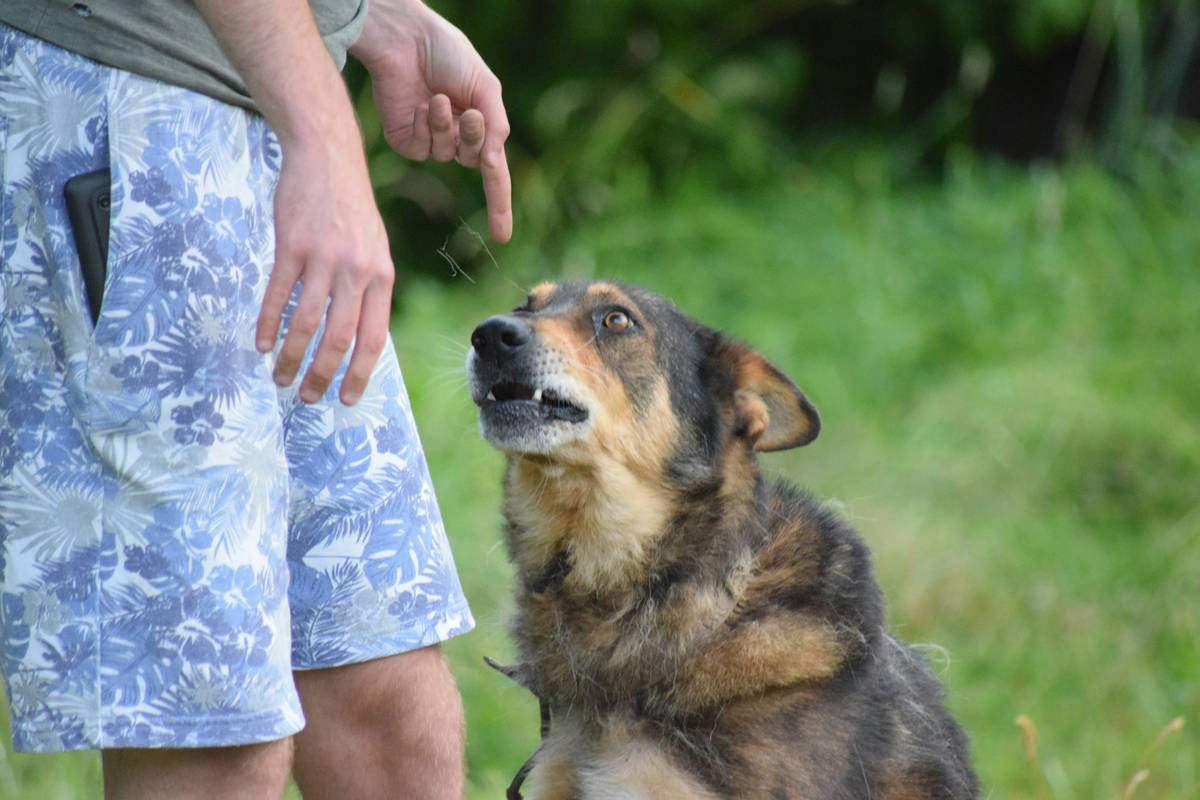
Avoid subtle finger movements. Use full-arm gestures with high contrast against your background (e.g., bright shirts). Recommended signals:
- Sit: Palm down, sweep hand upward (like lifting a lid)
- Stay: Open palm forward (universal “stop”)
- Come: Sweep both arms toward chest
- Good: Thumbs up + smile (yes, dogs read facial expressions!)
2. Get Attention Without Sound
- Stomp lightly on the floor—vibrations travel well indoors.
- Wave arms in peripheral vision.
- Use a vibrating collar (e.g., PetSafe VibraTrainer)—NOT shock. Tap once = “look at me.”
- Flash a light ONLY if your dog isn’t reactive to it (test first!).
3. Reinforce with High-Value Rewards
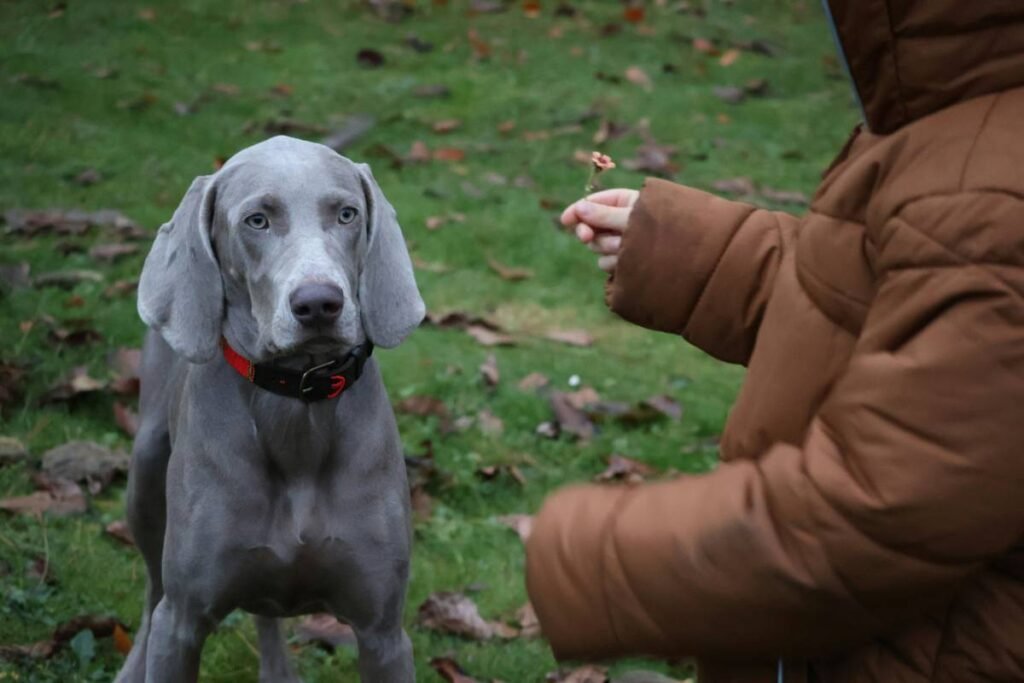
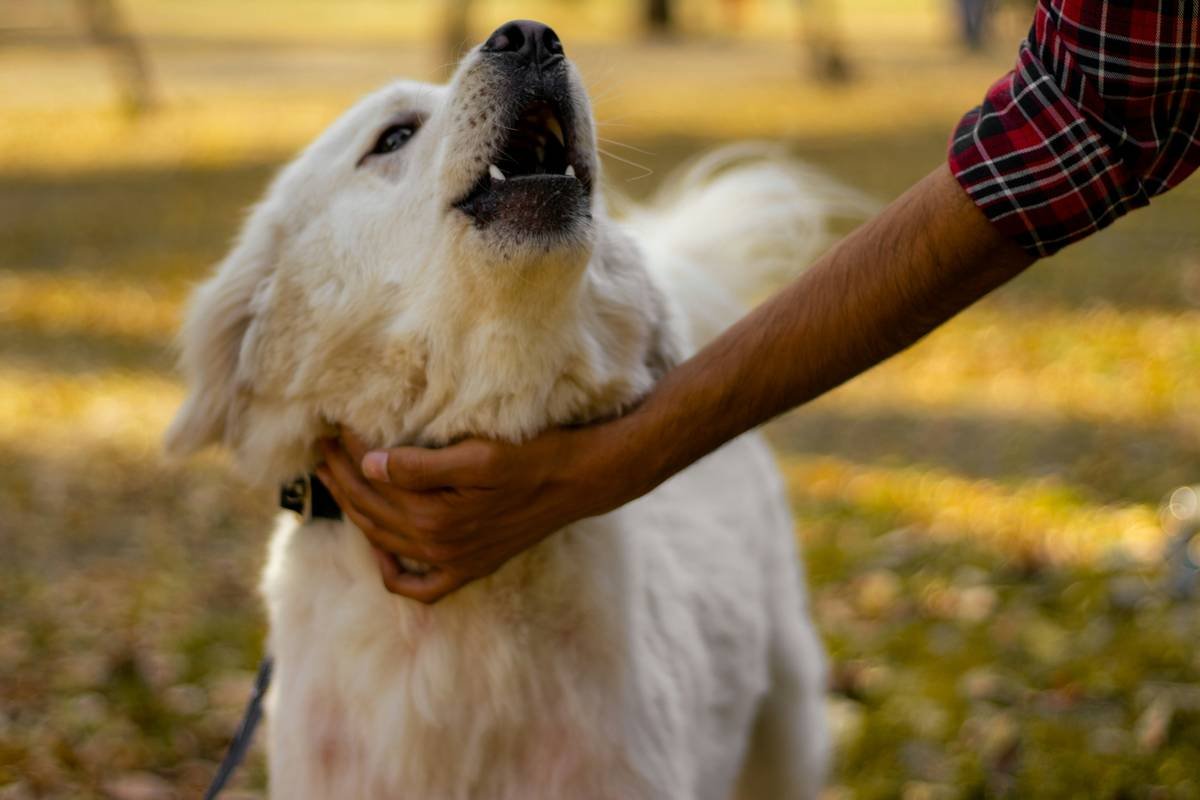
Since you can’t praise verbally, use touch (gentle chin rub), toys, or treats immediately after correct responses. Timing matters—within 1–2 seconds.
Best Practices for Safe & Effective Training
What NOT to do when training a deaf dog as a deaf person?
Let’s kill a myth first:
Nope. Shock causes fear, anxiety, and erodes trust. The Association of Professional Dog Trainers (APDT) explicitly opposes aversive tools. Vibrating collars? Okay. Zapping? Absolutely not.
Now, the good stuff:
- Always keep your dog leashed or in a fenced yard. Deaf dogs can’t hear cars, bikes, or warnings.
- Use a “deaf dog” bandana or tag. Alerts others your pup may not respond to calls.
- Train in low-distraction zones first. Start in your living room before hitting the park.
- Involve family in signal consistency. Everyone must use the same gestures.
- Carry a flashlight or laser pointer (used responsibly) for nighttime visibility.
Real-World Case Studies
Can deaf people successfully train deaf dogs? Show me proof.
Meet James—a profoundly Deaf man and ASL instructor—who adopted Rico, a deaf Australian Shepherd, in 2021.
Initial challenge? Rico would vanish during backyard play. James couldn’t hear barking or gate creaks; Rico couldn’t hear recalls.
Their solution:
- James installed motion-sensor floor lights that flash when Rico approaches the fence line.
- He taught Rico a “check-in” signal: eye contact = treat.
- They use a vibrating collar tap to pause play and redirect.
Within 8 weeks, Rico began voluntarily returning every 2–3 minutes during off-leash time. Today, they hike together weekly—silent, synchronized, and safe.
Another win: The Deaf Dog Rock nonprofit reports that 92% of deaf dogs in homes with deaf/hard-of-hearing owners show fewer anxiety behaviors than those with hearing owners—likely due to consistent nonverbal communication.
FAQs About Dog Training for Deaf People
Can a deaf person train a deaf dog alone?
Yes! With preparation. Use video recordings to review sessions, join online communities (like r/DeafDogs), and consult certified force-free trainers experienced with sensory diversity.
Are vibrating collars cruel?
No—when used correctly. They deliver gentle pulses (like a phone buzz), not pain. Always pair with positive experiences so your dog associates vibration with “look at me,” not fear.
How do I know if my dog understands me?
Watch their eyes, ears, and tail. If they respond within 2 seconds of your signal and repeat the behavior willingly, you’ve got comprehension. No guesswork needed.
Where can I find specialized trainers?
Search the Certification Council for Professional Dog Trainers (CCPDT) directory and filter for “deaf dog experience.” Also check APDT members who list accessibility expertise.
Conclusion
Dog training for deaf people isn’t about overcoming silence—it’s about embracing a richer, more intentional language of gesture, trust, and presence. Your deafness isn’t a barrier to deep connection with your deaf dog; it’s the very foundation of your unique bond.
Start small. Master one signal. Celebrate quiet victories. And remember: the most powerful command you’ll ever give is your unwavering attention.
Like a Tamagotchi, your dog’s trust needs daily care—not noise, but presence.
Haiku:
No bark, no voice call—
hands speak where ears cannot hear.
Love, in silent steps.