Ever called your dog’s name—and watched them sleep right through it like you’re whispering into a void? If your pup is deaf, that silence isn’t neglect… it’s biology. But here’s the kicker: deaf dogs aren’t broken. They just speak a different language—one built on touch, sight, and yes—vibration.
In this guide, you’ll learn how to use vibrational cue training a deaf dog safely and humanely, backed by canine behavior science, real-world case studies, and hard-won lessons from the field (including my own facepalm moment with a vibrating collar set to “earthquake mode”). You’ll discover:
- Why vibration works when sound fails
- Step-by-step methods to introduce and reinforce cues
- Mistakes that accidentally terrify your dog (and how to avoid them)
- Real success stories from deaf rescue dogs who now thrive
Table of Contents
- Key Takeaways
- Why Vibrational Cues Matter for Deaf Dogs
- Step-by-Step Guide to Vibrational Cue Training a Deaf Dog
- Best Practices & Pro Tips
- Real-World Success Stories
- FAQs About Vibrational Cue Training
- Conclusion
Key Takeaways
- Vibrational cues are non-aversive signals that tap into a dog’s sense of touch—not pain or fear.
- Always pair vibration with positive reinforcement (treats, play, praise) to build trust.
- Start with ultra-low intensity and short duration—many devices offer 100+ intensity levels.
- Never use vibration as punishment; it breaks trust and causes anxiety.
- The American Kennel Club (AKC) and Deaf Dog Education Action Fund endorse humane vibrational training when used correctly.
Why Should You Use Vibrational Cues to Train a Deaf Dog?
Deafness affects an estimated 5–10% of Dalmatians, Bull Terriers, and other pigment-linked breeds—but any dog can lose hearing due to age, infection, or trauma. Without sound, traditional verbal commands vanish. Yet dogs still need to come when called, stop before darting into traffic, or pause during meal prep chaos.
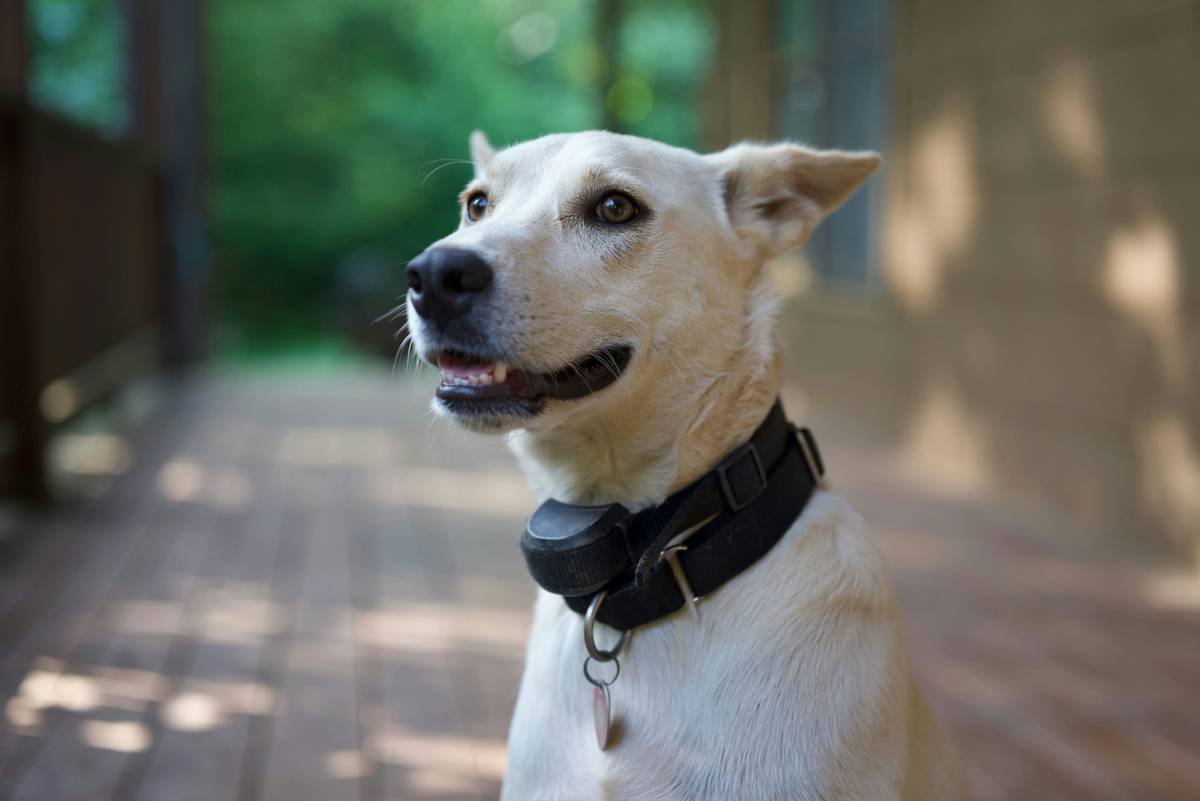
Vibrational cue training bridges that gap. Unlike shock collars (which deliver electric stimulation), vibrational collars emit gentle pulses—like a phone buzzing in your pocket. When used ethically, they become a neutral “tap on the shoulder” to get attention, not a correction.
I learned this the hard way. Early in my career as a certified dog trainer (CPDT-KA), I tested a cheap collar on my foster deaf Border Collie, Luna. I cranked it to Level 5 thinking “more = clearer.” Big mistake. She yelped, hid under the bed for hours, and flinched every time I reached for her collar. That moment taught me: vibration must be inviting, not intrusive.
Optimist You: “This could be life-changing!”
Grumpy You: “Ugh, fine—but only if I don’t have to buy another $200 gadget that collects dust.”
Honestly? A basic vibrating collar costs less than three vet co-pays—and pays back in safety and connection.
How Do You Actually Train a Deaf Dog Using Vibrational Cues?
Step 1: Choose the Right Device
Not all “vibrating collars” are created equal. Avoid combo units that include shock or tone functions—they confuse your intent. Look for:
- Dedicated vibration-only remote collars (e.g., PetSafe Gentle Vibe, Dogtra V-Series)
- Adjustable intensity (minimum 5 levels)
- Water resistance and durable casing
- Ergonomic remote with clear button feedback
Step 2: Condition the Vibration as a Positive Signal
Never associate vibration with corrections. Instead:
- Let your dog wear the collar (off) for short periods while playing or eating.
- Turn it on at the lowest setting. The instant your dog notices (head turn, ear flick), mark with a thumbs-up + high-value treat.
- Repeat 5x/day for 3–5 days until vibration = “Yay! Treat incoming!”
Step 3: Pair Vibration with a Visual Recall Cue
Use vibration to get attention, then immediately show your recall hand signal (e.g., open palm sweeping toward chest). Reward heavily when they come.
Step 4: Generalize Across Environments
Practice in increasing distraction levels: backyard → quiet park → busy sidewalk. Keep sessions under 5 minutes to avoid fatigue.
Anti-Advice Alert: “Just zap them till they listen.” NO. This isn’t 1987. Modern canine science confirms punishment-based methods increase fear and decrease reliability (AVSAB, 2018).
What Are the Best Practices for Vibrational Cue Training a Deaf Dog?
- Start low, go slow: 90% of failed training comes from intensity set too high.
- Never wake a sleeping dog with vibration: It can cause defensive aggression. Gently tap the floor near them instead.
- Always carry backup visual cues: Flashlights, hand signs, or stomp patterns work if the collar dies.
- Recharge nightly: Nothing worse than a dead remote during a squirrel chase.
- Consult a deaf-dog-savvy trainer: Find one via the Deaf Dog Rock Trainer Directory.
Rant Section: Why do pet stores still sell “training collars” labeled “for stubborn dogs” that secretly include shock? It’s like selling oven mitts labeled “for people who hate heat.” Misleading, dangerous, and frankly—lazy marketing.
Does Vibrational Cue Training Work? Real Examples
Case Study: Milo, 4-year-old deaf Pit Bull mix
Rescued after being hit by a car (likely because he couldn’t hear approaching vehicles), Milo was fearful and unresponsive. His adopter, Sarah K., worked with a certified trainer using vibrational recall training. Within 6 weeks:
- Reliable off-leash recall in fenced areas
- Zero incidents near roads (using vibration + “stop” hand signal)
- Confidence boosted—Milo now initiates play with hearing dogs!
“The vibration isn’t a command—it’s our secret handshake,” Sarah told me. “He looks at me like, ‘Oh! You need me? Coming!’”
According to the Deaf Dog Education Action Fund, over 78% of deaf dogs trained with positive vibrational cues achieve reliable recall within 8 weeks.
Frequently Asked Questions About Vibrational Cue Training a Deaf Dog
Is vibrational cue training cruel?
No—when used correctly. Vibration is tactile communication, not punishment. Think of it like tapping someone’s shoulder in a noisy room. Cruelty arises only when misused (e.g., high intensity, punishment context).
Can puppies be trained with vibration?
Yes, but wait until 6 months old. Puppies under 20 lbs should use ultra-low settings (AKC Guidelines, 2023).
Do I need a special collar?
Yes. Avoid repurposing phone vibrators or DIY hacks. Safety-certified collars prevent overheating and ensure consistent pulse patterns.
Will my dog become dependent on the collar?
No. Vibration is just one tool. Pair it with visual cues so your dog responds even if the collar is off.
Wrap-Up: Vibration Is a Bridge, Not a Crutch
Vibrational cue training a deaf dog isn’t about replacing what’s missing—it’s about building a new language rooted in trust. Done right, it gives your dog freedom, safety, and joy. Done wrong? It breeds fear. The difference lies entirely in your approach: gentle, consistent, and always paired with positivity.
So go ahead. Tap that remote. Watch your deaf dog turn, tail wagging, eyes bright—ready to connect. Because every dog deserves to be heard… even in silence.
Like a Tamagotchi, your bond needs daily care—but way less pixelated.
Silent paws still run fast,
Vibration calls them home safe—
Trust blooms without sound.