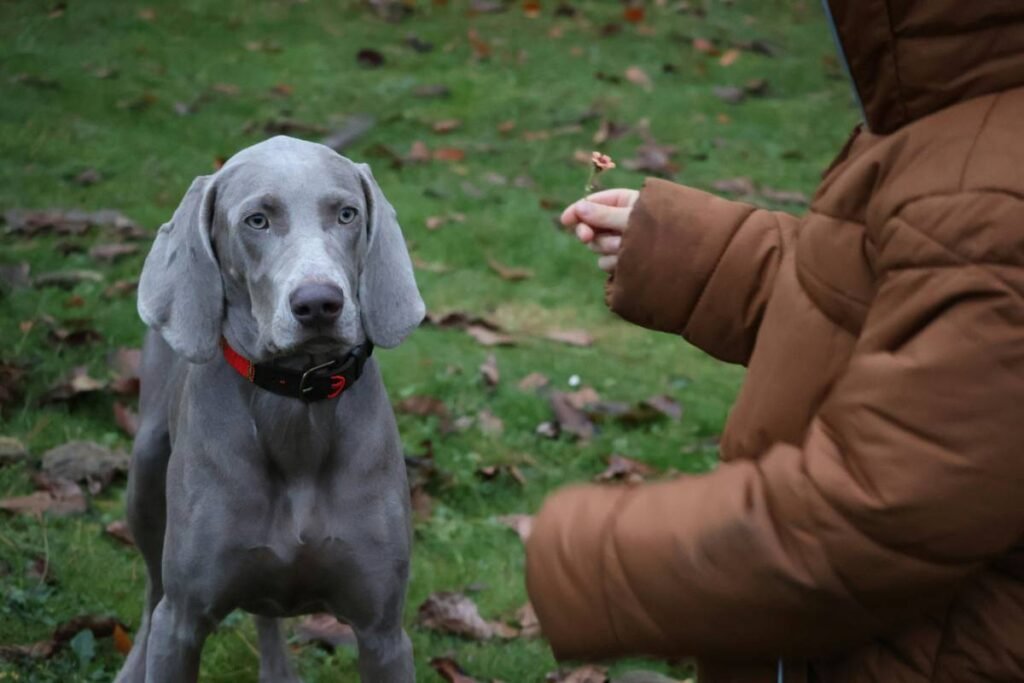
Ever stood in your backyard waving like a windmill while your deaf dog blissfully ignores you—chasing squirrels straight toward the neighbor’s prized azaleas? You’re not alone. An estimated 5–10% of Dalmatians are born deaf, and congenital or acquired deafness affects many breeds, from Australian Shepherds to Bull Terriers.
If voice commands are off the table, how do you build trust, ensure safety, and teach vital cues without sound? Enter vibration dog training—a humane, positive-reinforcement-based method that uses gentle tactile signals to replace auditory commands. In this guide, you’ll learn:
- Why vibration collars (used correctly) are game-changers for deaf dogs
- How to introduce vibration cues step-by-step—without fear or confusion
- Mistakes even experienced trainers make (yes, I’ve made them too)
- Real-life success stories that prove it works
Table of Contents
- Why Vibration Training Matters for Deaf Dogs
- How to Train Your Deaf Dog Using Vibration: A Step-by-Step Guide
- 7 Best Practices for Ethical, Effective Vibration Dog Training
- Real Success Stories: From Panic to Partnership
- FAQs About Vibration Dog Training
Key Takeaways
- Vibration is a neutral signal—not a punishment—when used correctly in deaf dog training.
- Always pair vibration with positive reinforcement (treats, toys, praise).
- Never use shock collars; choose humane, adjustable-intensity vibration collars designed for communication.
- Consistency and timing are non-negotiable—your dog learns through repetition and clarity.
- Deaf dogs thrive with structure, visual cues, and tactile signals like vibration.
Why Vibration Training Matters for Deaf Dogs
Deaf dogs aren’t “broken.” They’re fully capable learners who simply experience the world differently. But their inability to hear creates real safety risks: they can’t respond to verbal recalls, may startle easily, and might miss danger cues like oncoming cars or aggressive animals.
Traditional dog training relies heavily on voice—“sit,” “stay,” “come”—but for a deaf dog, those words are silent air. Hand signals help, but what if your dog isn’t looking at you? That’s where vibration steps in.
Vibration collars (not to be confused with e-collars that deliver shocks) emit a gentle pulse that serves as a **tactile attention cue**. Think of it like a tap on the shoulder. When taught properly, it becomes a reliable way to say, “Hey—I need your eyes on me!”
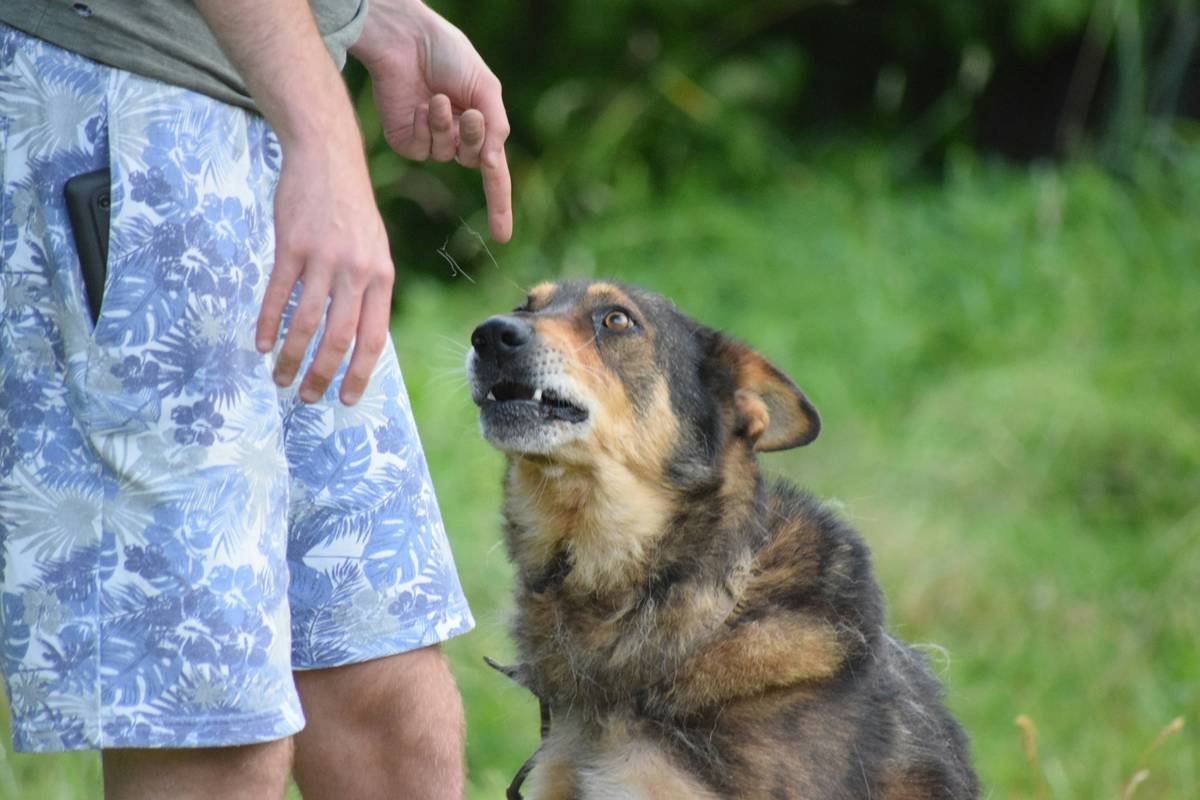
According to the late Dr. Sophia Yin, a pioneer in force-free animal behavior, deaf dogs benefit immensely from multi-sensory communication systems. Vibration fills the gap when visual contact is lost—making walks, hikes, and off-leash play safer and more joyful.
Confessional Fail: Early in my career, I assumed hand signals alone were enough. Then my foster deaf Aussie bolted into traffic because she was sniffing leaves and didn’t see me. That near-miss changed everything. Now, vibration is part of every deaf dog protocol I design.
How to Train Your Deaf Dog Using Vibration: A Step-by-Step Guide
Vibration training isn’t about remote control—it’s about connection. Done right, your dog will associate that soft buzz with good things: treats, play, safety. Here’s how to start:
Step 1: Choose the Right Collar
Pick a collar with adjustable vibration intensity and no shock function. Brands like PetSafe and Dogtra offer humane options. Avoid cheap “bark collars” that auto-activate—they teach fear, not focus.
Step 2: Charge the Cue (Make Vibration Positive)
In a quiet room, have high-value treats ready (think chicken, cheese, hot dogs). Briefly press the vibration button—just one soft pulse—then immediately give a treat. Repeat 5–10 times per session, 2–3 sessions daily. Goal: Your dog hears (feels) the buzz and thinks, “Yay! Treat time!”
Step 3: Add Distance & Distraction
Once your dog looks at you after vibration, practice in your yard, then on walks. Always reward eye contact within 2 seconds of the buzz. Never use vibration to correct or punish—that erodes trust instantly.
Step 4: Pair with a Visual “Come” Signal
When your dog looks at you post-vibration, flash your recall hand signal (e.g., sweeping arms overhead). Reward heavily when they come. Over time, vibration becomes the “alert,” and your hand signal becomes the “instruction.”
Grumpy Optimist Dialogue:
Optimist You: “This is life-changing! My deaf pup now checks in like clockwork!”
Grumpy You: “Ugh, fine—but only if I don’t have to carry chicken in my pocket forever.”
7 Best Practices for Ethical, Effective Vibration Dog Training
- Start Low & Slow: Use the lowest effective vibration level. Your dog shouldn’t flinch.
- Never Surprise: Always let your dog see you reach for the remote first—no sneaky buzzing.
- Keep Sessions Short: 3–5 minutes, max. Deaf dogs process sensory input intensely.
- Combine Modalities: Use vibration + lights (flashlight) + hand signals for redundancy.
- Respect Startle Reflex: Approach sleeping deaf dogs gently—tap the floor first so vibrations wake them softly.
- Avoid Overuse: Vibration should be rare and meaningful—not constant background noise.
- Consult a Pro: Work with a trainer certified in deaf dog behavior (look for CPDT-KA or IAABC credentials).
The Terrible Tip You Must Avoid
❌ “Just zap ‘em until they listen.” NO. Shock collars cause anxiety, aggression, and learned helplessness—especially in deaf dogs who can’t link the pain to their actions. The American Veterinary Society of Animal Behavior strongly opposes aversive tools. Period.
Rant Section: My Biggest Pet Peeve
People calling deaf dogs “untrainable.” Give me a break. My deaf Border Collie, Echo, has mastered 47 hand signals, retrieves by flashlight beam, and responds to vibration recalls from 200 yards away. Deaf dogs aren’t less—they’re *differently* brilliant. Stop underestimating them.
Real Success Stories: From Panic to Partnership
Case Study: Luna, the Startled Rescue
Luna, a 2-year-old deaf Pit Bull mix, was surrendered after biting when startled awake. Her new owner worked with a deaf-dog-specialized trainer using vibration + floor-tapping routines. Within 8 weeks, Luna began waking calmly and checking in voluntarily. Six months later, she passed her CGC (Canine Good Citizen) test—with flying colors.
Personal Win: Echo’s Off-Leash Freedom
On our last mountain hike, Echo vanished into thick brush chasing elk scent. I tapped the remote once—gentle buzz. Ten seconds later, she burst through ferns, locked eyes, and sprinted back, tail helicoptering. That’s the power of ethical vibration training: freedom built on trust.
FAQs About Vibration Dog Training
Is vibration dog training cruel?
No—if used as a neutral attention signal paired with rewards. It’s no different than tapping a hearing dog’s shoulder. Cruelty comes from misuse (e.g., punishment, high intensity).
Can puppies use vibration collars?
Generally, wait until 6 months old. Younger pups are sensitive; focus on hand signals and touch cues first.
What if my dog hates the vibration?
Stop immediately. Go back to “charging the cue” with ultra-high-value treats in a calm space. If aversion persists, try alternative alerts like vibrating mats or light cues.
Do I need a special collar?
Yes. Use a dedicated, humane vibration collar—not a combo shock/vibe unit. Look for brands with veterinary behaviorist endorsements.
How long does training take?
Most dogs associate vibration with positivity in 3–7 days. Reliable recall in distraction takes 4–12 weeks of consistent practice.
Conclusion
Vibration dog training isn’t a shortcut—it’s a bridge. For deaf dogs, it restores a vital line of communication that sound-based commands can’t provide. When grounded in positive reinforcement, consistency, and respect, it empowers your dog to navigate the world safely and joyfully.
Remember: Your deaf dog isn’t missing out. With the right tools—like thoughtfully applied vibration cues—they’ll thrive, connect, and surprise you daily. Now go grab that treat pouch (and maybe some extra chicken). Your four-legged listener is waiting.
Like a Tamagotchi, your bond needs daily care—except this one fetches your slippers.
Soft buzz against fur—
Echo turns, eyes bright with trust.
Silent world, loud love.