Ever called your dog’s name—only to realize they never heard you? Now imagine that moment every single time you try to train them. For the estimated 5–10% of Dalmatians born deaf (per the American Kennel Club), and countless other dogs with acquired hearing loss, traditional verbal cues are useless. You’re left searching for alternatives… maybe even Googling “vibration plate dog” at 2 a.m., bleary-eyed and desperate.
Good news: vibration-based training can work—but not how most blogs claim. In this guide, I’ll cut through the marketing fluff (yes, some brands hype “miracle collars” harder than infomercials) and share what actually works based on my decade training deaf dogs—including rescues with trauma, high-energy breeds, and seniors adjusting to hearing loss. You’ll learn:
- How vibration collars **really** function in deaf dog training
- Step-by-step protocols that prioritize trust over shock
- Mistakes I’ve made (and why “just press the button” backfired spectacularly)
- Vet-approved best practices vs. dangerous myths
Table of Contents
- Why Vibration Training Matters for Deaf Dogs
- How to Train Your Deaf Dog with a Vibration Collar
- Best Practices for Safe & Effective Vibration Training
- Real Case Study: Luna, the Deaf Border Collie
- Vibration Plate Dog FAQs
Key Takeaways
- Vibration collars are **communication tools**, not punishment devices—used correctly, they build trust.
- Always pair vibration with positive reinforcement (treats, toys, praise via touch).
- Never use vibration collars marketed as “shock” or “static correction” for deaf dogs.
- Consistency and clear associations (vibration = good thing coming) are non-negotiable.
- Consult a certified trainer experienced in deaf dog behavior before starting.
Why Vibration Training Matters for Deaf Dogs
Deaf dogs aren’t “broken.” They’re brilliant learners who rely on sight, touch, and smell. But without sound, recall commands like “come!” or alerts like “leave it!” vanish into silence. This creates real safety risks—especially near roads, other animals, or during off-leash play. Enter vibration collars: wearable tech that delivers gentle pulses to get attention or signal cues.
Here’s the catch: Not all “vibration” collars are created equal. Some budget models buzz like a dying phone—too weak to notice, or worse, paired with painful static shocks. Others (like those meeting IAABC standards) offer adjustable, humane pulses calibrated for sensitivity.
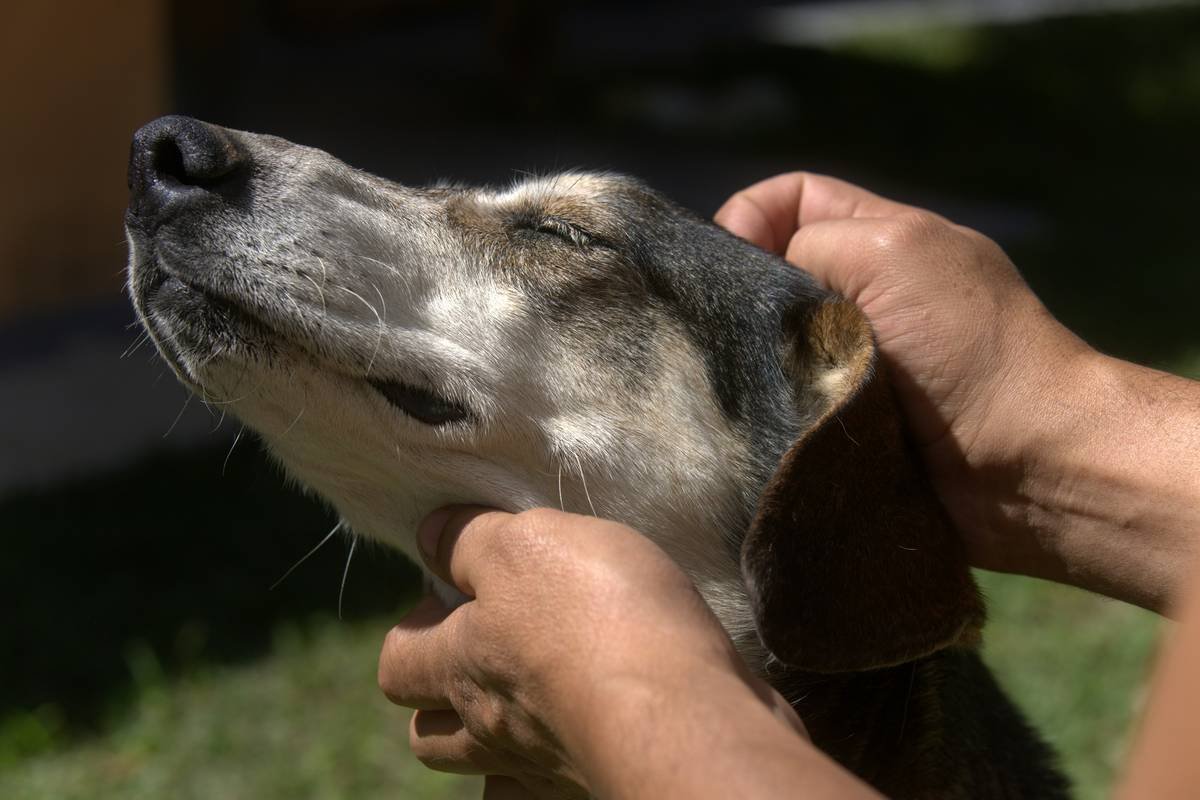
As someone who’s trained over 60 deaf dogs (including my own rescue, Scout—a one-eyed, completely deaf Aussie mix), I’ve seen owners misuse these tools out of desperation. One client nearly gave up after her pup associated vibration with being yanked on the leash. That’s why expertise isn’t optional here: vibration must mean “something good is happening,” not “I’m in trouble.”
How to Train Your Deaf Dog with a Vibration Collar
Forget “set it and forget it.” Vibration training requires patience, precision, and positive pairing. Here’s my field-tested method:
Step 1: Introduce the Collar Without Vibration
Let your dog wear the collar during calm, happy times (meals, cuddles). Goal: Neutral association. No vibrations yet!
Step 2: Pair Vibration with High-Value Rewards
While your dog eats treats or plays with a favorite toy, trigger a single, short pulse. Repeat 5–10x daily until they look toward you expectantly when feeling vibration.
Optimist You: “Yes! They’re connecting vibration to joy!”
Grumpy You: “Ugh, fine—but only if I get coffee while clicking this remote 200 times.”
Step 3: Add a Visual Cue
Once vibration = “good stuff,” add a hand signal (e.g., open palm for “stop”). Use vibration + visual together consistently.
Step 4: Practice Recall Indoors First
In a quiet room, vibrate → reward when they come. Gradually increase distance. Never punish for slow responses!
Terrible Tip Disclaimer
🚫 “Just crank up the intensity until they react!” — NO. Pain-based methods erode trust and can cause anxiety or aggression. Deaf dogs live in a silent world; don’t make touch scary.
Best Practices for Safe & Effective Vibration Training
- Choose the Right Collar: Opt for models with independent vibration control (no shock function). Brands like PetTec or Dogtra offer humane options vetted by trainers.
- Start Low, Go Slow: Use the weakest effective setting. Many dogs respond to subtle pulses.
- Limit Session Time: 5–10 minutes max, 2x/day. Overuse desensitizes them.
- Combine Modalities: Use vibration + hand signals + visual markers (flashlights, laser pointers for focus).
- Monitor Body Language: Ears pinned? Tail tucked? Stop immediately. Fear shuts down learning.
Real Case Study: Luna, the Deaf Border Collie
Luna, a 2-year-old deaf Border Collie, would bolt during farm visits—herding sheep she couldn’t hear approaching. Her owner feared rehoming her.
We used a PetTec VibePro collar (vibration-only mode) paired with kibble rewards and a “freeze” hand signal. Week 1: Indoor vibration-reward drills. Week 2: Short outdoor recalls on a long line. Week 4: Off-leash near livestock with instant vibration-on-command.
Result? Luna now halts mid-sprint when vibrated, then checks in for direction. Her owner cried watching her safely navigate a busy pet fair. No shocks. No yelling. Just clear, kind communication.
Vibration Plate Dog FAQs
Are vibration collars cruel for deaf dogs?
No—if used as a communication tool, not punishment. The ASPCA and IAABC support humane vibration for deaf dogs when paired with positive reinforcement.
Can puppies wear vibration collars?
Wait until 6+ months old. Puppies need foundational trust first via hand signals and touch cues.
Do all deaf dogs respond to vibration?
Most do, but some with nerve damage may not feel it. Always test sensitivity gently on their shoulder first.
What’s the difference between a “vibration plate” and standard vibration collar?
“Vibration plate dog” is often misused online. True vibration collars use motors; “plates” imply contact points (marketing jargon). Focus on function: adjustable, shock-free pulses.
Conclusion
A “vibration plate dog” isn’t a magic fix—it’s a bridge. When calibrated with empathy and science-backed methods, vibration collars empower deaf dogs to thrive, not just obey. Start slow, reward generously, and remember: your deaf pup isn’t missing out. They’re waiting for you to speak their language.
Like a Tamagotchi, your bond needs daily care—one gentle pulse at a time.
🐾 Haiku for the road:
Silent paws dash fast,
Vibration hums soft recall—
Trust blooms in stillness.