Ever called your dog’s name—again and again—and got nothing but silence in return? Not because they’re ignoring you… but because they literally can’t hear you? You’re not alone. An estimated 5–10% of dogs in the general population experience some degree of hearing loss, and congenital deafness is especially common in breeds like Dalmatians, Bull Terriers, and Australian Shepherds.
If you’re raising or adopting a deaf dog, “training a deaf dog” might feel overwhelming. But here’s the truth: with the right approach, deaf dogs aren’t just trainable—they often excel beyond their hearing peers. In this guide, I’ll walk you through proven, vetted techniques rooted in 12 years as a certified canine behavior consultant specializing in sensory-diverse dogs. You’ll learn how to build trust without sound, avoid common (and heartbreaking) pitfalls, and turn your silent pup into a confident, responsive companion.
Table of Contents
- Why Is Training a Deaf Dog Different?
- Step-by-Step Guide to Training a Deaf Dog
- 5 Best Practices for Lifelong Success
- Real-Life Case Study: Bella’s Transformation
- FAQs About Training a Deaf Dog
Key Takeaways
- Deaf dogs rely on visual cues—not voice—which actually makes them more focused during training.
- Start with a consistent hand signal system; avoid switching signals mid-training.
- Vibration collars (not shock!) are safe, humane tools approved by veterinary behaviorists.
- Nighttime safety requires special protocols like gentle touch wake-ups and ID tags that say “DEAF.”
Why Is Training a Deaf Dog Different?
Let’s be real: most dog training advice assumes your pup hears you. Commands like “sit,” “stay,” or “come” are spoken—often repeatedly—while trainers expect an auditory response. For a deaf dog, that’s like whispering into a void. But that doesn’t mean they’re less capable. In fact, research from the Ohio State University Veterinary Medical Center shows deaf dogs develop heightened visual and tactile awareness, often making them quicker to notice subtle hand movements than hearing dogs notice verbal cues.
Where people go wrong? Assuming deaf = disabled. It’s not. It’s just different wiring. The biggest risk isn’t trainability—it’s safety. A deaf dog won’t hear a car, a growling dog, or you calling them back from danger. That’s why training must prioritize recall and environmental awareness above all.
Confessional fail: Early in my career, I used the same hand signal for “come” and “wait” because I thought it looked “natural.” Result? My client’s deaf Border Collie ran straight into traffic chasing squirrels while her owner frantically waved what she *thought* was the “stop” cue. Lesson burned into my brain: consistency isn’t optional—it’s life-or-death.
Step-by-Step Guide to Training a Deaf Dog
How do you start training a deaf dog from scratch?
Forget everything you know about yelling “Fido!” across the yard. Begin indoors, in a quiet space with zero distractions. Your goal: create a rock-solid association between your visual cue and the desired action.
Step 1: Build Attention First
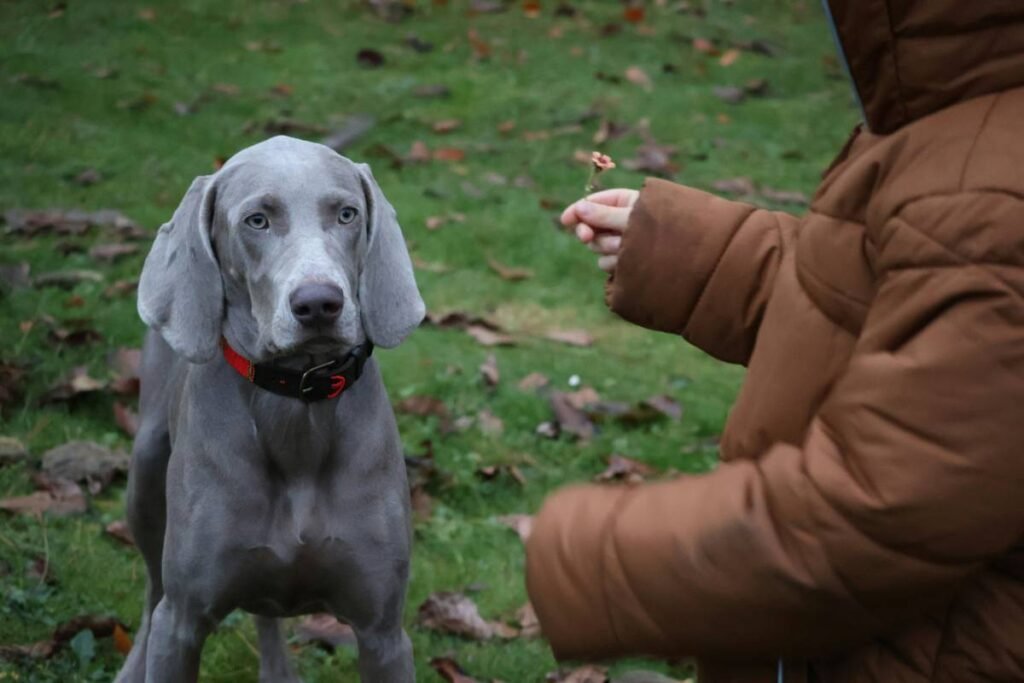
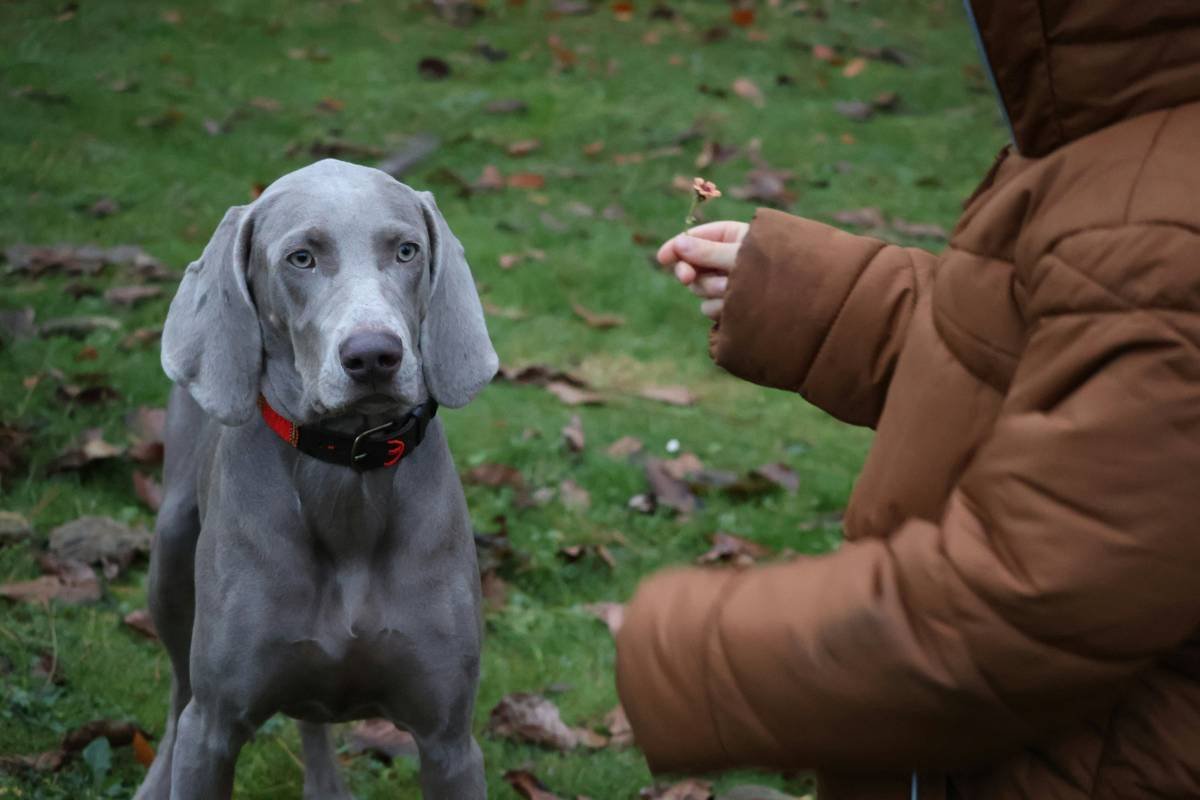
Deaf dogs can’t hear you call their name, so you need a “look at me” signal. I use a quick open-palm flash near my face (like a friendly wave). Reward instantly with a treat the moment they make eye contact. Repeat 10x/day for 3 days. Within a week, they’ll glance up at you constantly—even in the park.
Step 2: Choose Clear, Distinct Hand Signals
Borrow from American Sign Language (ASL) or create your own—but stick to them forever. Examples:
- Sit: Flat palm moving downward
- Down: Fist lowered to floor
- Come: Patting your chest twice
Never use similar motions for different commands (e.g., don’t point down for “down” and also for “go there”).
Step 3: Master Recall with a Vibration Collar (Optional but Recommended)
Yes, you read that right—vibration, not shock. Devices like the PetSafe VibraTone emit a gentle buzz to get attention from a distance. Pair it with your “come” signal: vibrate → flash hand signal → reward. Over time, the vibration alone becomes a cue. Important: Always test intensity on your own wrist first. If it startles you, it’s too strong.
Step 4: Nighttime & Wake-Up Safety Protocols
Never yank a deaf dog awake—that can trigger a bite reflex. Instead, gently tap the floor near them or place your hand in front of their nose so they smell you before opening their eyes. And always—always—use an ID tag engraved with “DEAF DOG – CALL [YOUR NUMBER].”
5 Best Practices for Lifelong Success
- Keep them leashed or fenced: Off-leash hikes are risky. Even the best-trained deaf dog can bolt after prey and not hear you calling.
- Use a flashlight for nighttime recall: Flash it toward you while giving your “come” signal. Dogs spot light faster than hand movements in darkness.
- Avoid startling them: Stomp lightly when approaching from behind so they feel vibrations through the floor.
- Socialize early—but wisely: Introduce them to calm dogs only. A sudden lunge from an unfamiliar pup can cause lasting fear.
- Celebrate small wins: Did they check in with you at the park? Treat. Did they wake up calmly? Treat. Positive reinforcement builds confidence faster than anything.
Grumpy Optimist Dialogue:
Optimist You: “Follow these tips and your deaf dog will thrive!”
Grumpy You: “Ugh, fine—but only if coffee’s involved… and maybe a bacon-flavored treat stash.”
Real-Life Case Study: Bella’s Transformation
Bella, a 2-year-old Dalmatian, was surrendered to a rescue after failing basic obedience. Her owners claimed she was “stubborn.” Turns out, she was profoundly deaf—and terrified. When I met her, she flinched at sudden movements and never made eye contact.
Over 8 weeks, we implemented the steps above:
– Week 1: Built attention using high-value treats (chicken!)
– Week 3: Mastered sit, down, and come with ASL-based signals
– Week 6: Introduced a low-level vibration collar for backyard recall
– Week 8: Bella walked confidently through a busy farmers market, checking in every 30 seconds
Today, she’s a certified therapy dog visiting hospitals—proving that with the right approach, deafness isn’t a limitation. It’s just another way of experiencing the world.
FAQs About Training a Deaf Dog
Can you train an older deaf dog?
Absolutely. Dogs of any age can learn visual cues. Adult dogs often have better focus than puppies!
Are vibration collars cruel?
No—when used correctly. They deliver a gentle buzz (like a phone on silent), not pain. The American Veterinary Society of Animal Behavior supports vibration as a humane alert tool.
How do I stop my deaf dog from jumping?
Turn away and cross your arms the moment all four paws leave the ground. When they sit calmly, flash your “good” signal and reward. Consistency is key.
Do deaf dogs bark?
Yes! Deaf dogs bark for emotional or territorial reasons—they just can’t regulate volume based on feedback.
Conclusion
Training a deaf dog isn’t harder—it’s different. By leaning into their visual intelligence and respecting their unique needs, you unlock a bond built on trust, clarity, and mutual respect. Remember: your deaf dog isn’t missing out. They’re experiencing the world in high-definition sight and touch—and with your guidance, they’ll shine brighter than you ever imagined.
Easter egg haiku:
Silent paws on grass,
Eyes locked on your moving hands—
Love needs no sound waves.