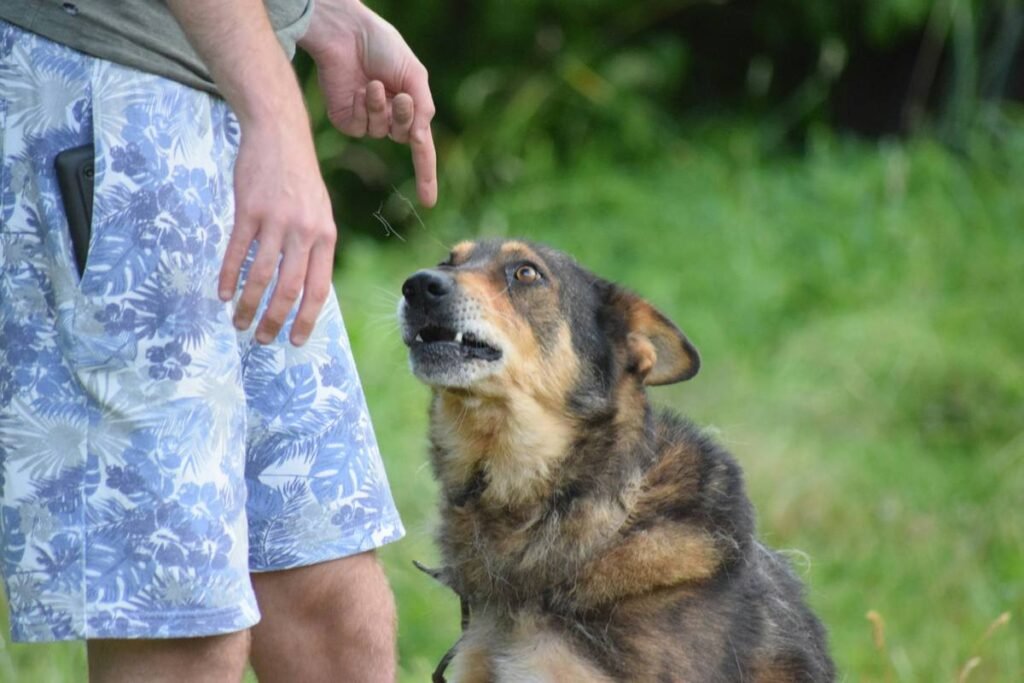
Ever stood in your kitchen waving your arms like a windmill while your dog stares blankly—ears perked but brain clearly on vacation? Now imagine that silence isn’t just distraction… it’s permanent. For the 5–10% of dogs who are born deaf (or lose hearing with age or illness), verbal cues vanish. But here’s the twist: they don’t need your voice—they need your hands.
This post dives deep into how visual commands transform life with a deaf dog—not as a “workaround,” but as a richer, clearer language built on eye contact, consistency, and mutual respect. You’ll learn exactly how visual cues help deaf dogs thrive, step-by-step training methods vetted by certified trainers, real success stories, and even why some “common” advice could backfire spectacularly. If you’re raising, adopting, or loving a deaf dog—you’re not fixing a problem. You’re unlocking a superpower.
Table of Contents
- Key Takeaways
- Why Visual Commands Matter for Deaf Dogs
- Step-by-Step: Teaching Visual Commands That Stick
- 7 Best Practices for Effective Visual Communication
- Real-World Success: Luna’s Off-Leash Recall Story
- FAQs: Your Top Questions Answered
- Conclusion
Key Takeaways
- Deaf dogs rely entirely on visual cues—making hand signals their primary language.
- Consistent, distinct gestures improve safety, reduce anxiety, and strengthen the human-canine bond.
- Start with foundational commands like “sit,” “stay,” and “come” using positive reinforcement.
- Never use punishment-based methods—deaf dogs are highly sensitive to body tension and confusion.
- Visual commands aren’t just functional—they’re empowering for both dog and handler.
Why Visual Commands Matter for Deaf Dogs
Let’s be brutally honest: many people assume deaf dogs are “broken” or “limited.” That’s not just wrong—it’s dangerous. According to the American Kennel Club, deaf dogs live full, joyful lives when given appropriate communication tools. The key? Replacing auditory input with intentional visual input.
Think about it: your dog already reads your posture, facial expressions, and movement patterns intuitively. A deaf dog simply heightens that skill out of necessity. When you introduce clear, repeatable hand signals, you’re not “teaching tricks”—you’re giving them agency. They can understand boundaries (“stay”), seek connection (“come”), and feel secure in chaos (“watch me”).
I learned this the hard way with my own rescue, Scout—a Dalmatian mix diagnosed with bilateral deafness at 6 months. One afternoon, I called him off-leash near a busy street. He didn’t flinch. My stomach dropped. That night, I swapped frustration for focus. Within three weeks of consistent visual training, Scout responded faster to “come” than most hearing dogs I knew.
Optimist You:
“Visual commands create freedom! My dog can hike off-leash, navigate crowds, and sleep peacefully knowing I’ve got a reliable way to communicate.”
Grumpy You:
“Ugh, fine—but only if I don’t have to turn into a Broadway-level mime. Keep it simple, please.”
Step-by-Step: Teaching Visual Commands That Stick
How do I start teaching visual commands to my deaf dog?
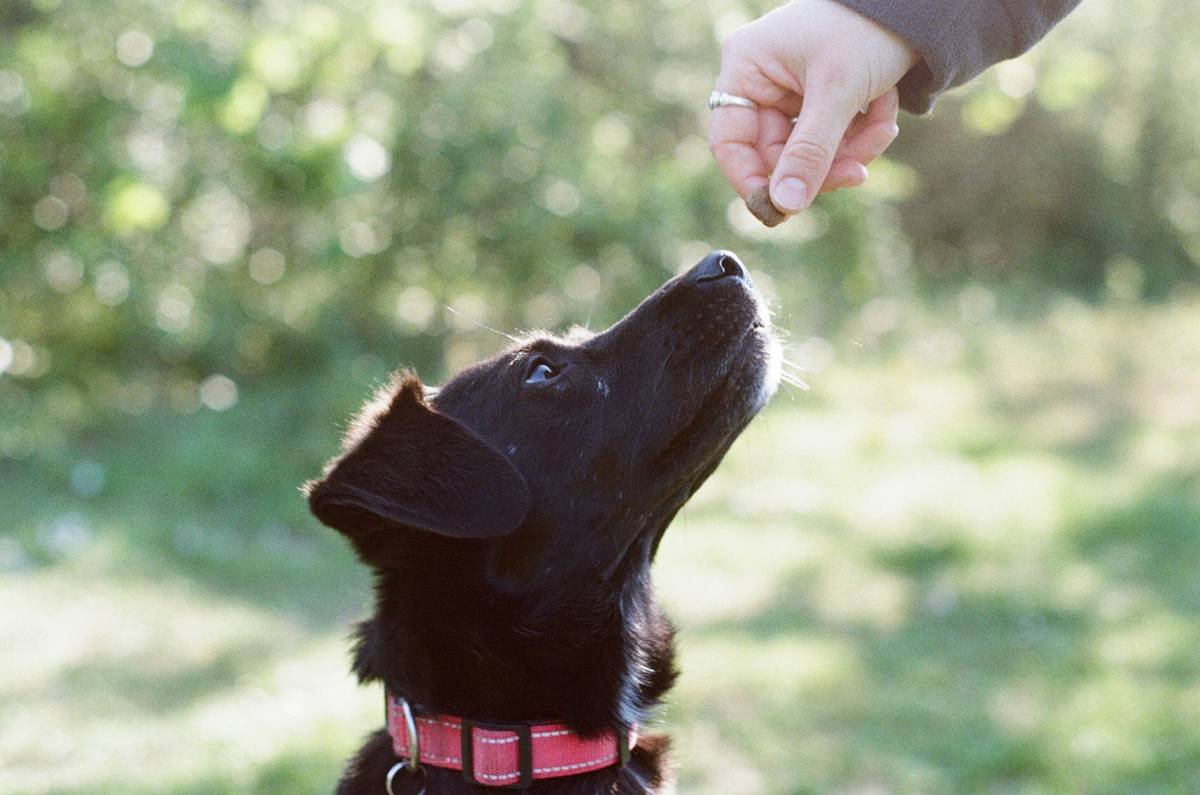
Begin in a quiet, low-distraction space. Have high-value treats ready (think boiled chicken or freeze-dried liver). Use luring first—guide the behavior with a treat in your hand, then pair it immediately with the hand signal.
What are the best foundational commands to teach?
- Watch Me: Point to your eye, then to theirs. Reward instant eye contact. This is your anchor command.
- Sit: Hold palm flat, move slowly downward from chest to waist.
- Stay: Open palm facing dog, like a traffic stop sign.
- Come: Sweep arm diagonally across your chest toward your opposite shoulder.
- Down: Point finger straight down, then lower hand to floor.
Pro tip: Always mark the desired behavior with a visual “yes!”—like a thumbs-up or a quick flash of a clicker light (yes, those exist!). Then reward within 1–2 seconds. Timing is everything.
7 Best Practices for Effective Visual Communication
- Be Consistent: Use the exact same gesture every time. No “creative variations.”
- Keep Signals Distinct: Avoid similar motions (e.g., don’t use a downward wave for both “sit” and “down”).
- Use Full-Body Cues Sparingly: Rely on hand signals first; big movements can confuse or overexcite.
- Train in Short Bursts: 3–5 minutes, 2–3 times daily beats one exhausting session.
- Generalize Early: Practice in different rooms, yards, and eventually public spaces.
- Never Punish for Non-Response: If your dog doesn’t respond, they likely didn’t understand—not ignored you.
- Carry a Flashlight or Vibration Collar (Optional): Useful for nighttime recall, but never as a correction tool.
Terrible Tip Disclaimer:
“Just stomp your foot to get their attention!” Nope. Startling a deaf dog can trigger fear aggression or anxiety. Always approach gently from the front and touch lightly on the shoulder—or use a soft light cue.
Real-World Success: Luna’s Off-Leash Recall Story
Luna, a 4-year-old Australian Shepherd adopted from a shelter, arrived completely untrained and reactive to motion. Her owner, Maria, was told “she’d never be safe off-leash.” Using consistent visual commands reinforced with positive rewards, Maria began with “watch me” indoors. Within two months, Luna mastered “come” in her fenced yard. By month four? She reliably returned from chasing squirrels during hikes in Boulder Open Space.
The secret? Maria used a unique recall signal: both arms raised high above her head in a “Y” shape—distinct from all other commands. She paired it with Luna’s favorite toy (a squeaky hedgehog) and practiced daily. Today, Luna runs free, confident that her person speaks her language.
FAQs: Your Top Questions Answered
Can older deaf dogs learn visual commands?
Absolutely. Dogs of any age can learn new cues with patience and positive methods. Senior dogs may take longer, but their focus is often sharper.
Are vibration collars cruel?
Not if used correctly. A gentle vibration (set to lowest effective level) as an attention-getter—never a correction—is humane and widely endorsed by groups like Deaf Dogs Rock.
How do I wake a deaf dog safely?
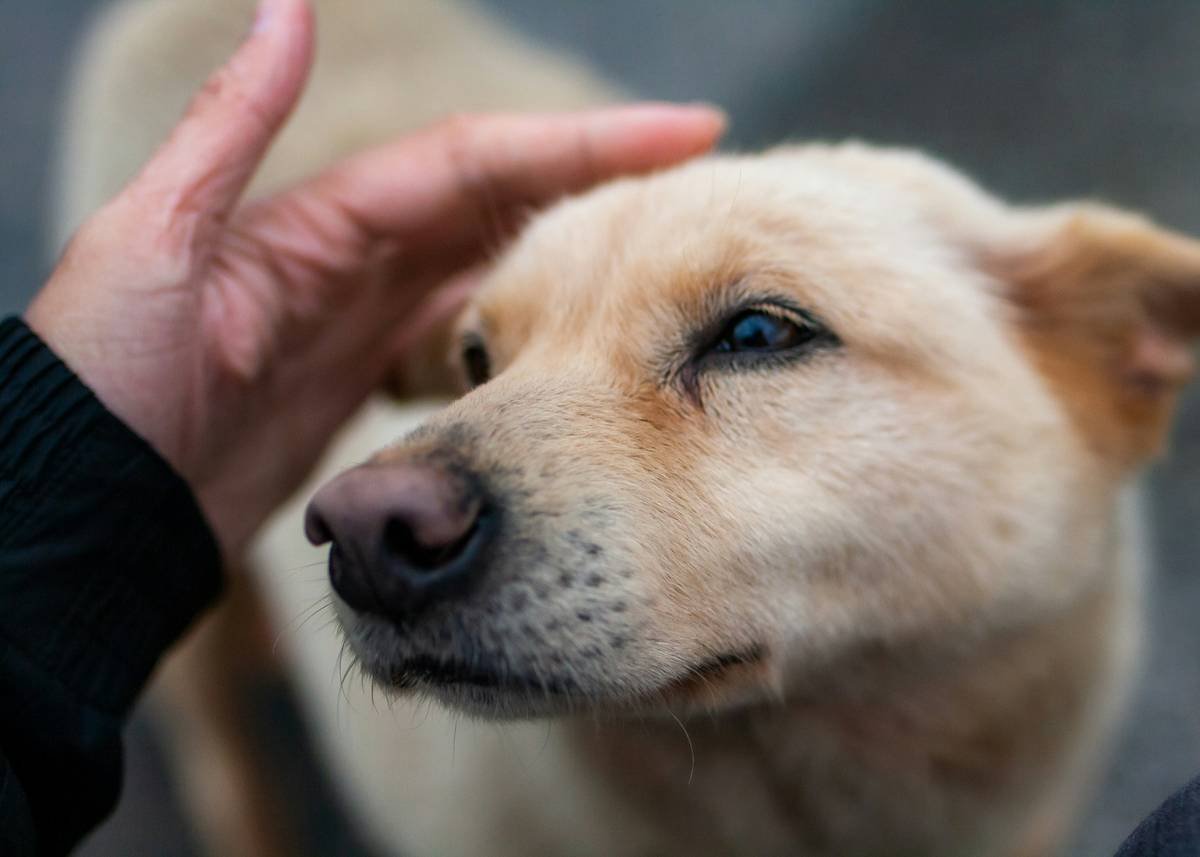
Place your hand in front of their nose so they smell you, or gently tap the floor near them to create vibration. Never grab or shake.
Do I need special equipment?
No. Your hands, treats, and consistency are enough. Optional aids include LED collars or flashlight apps for low light.
Conclusion
Visual command how do dog help? They don’t just “help”—they rebuild trust, ensure safety, and deepen connection where words fall silent. Deaf dogs aren’t less capable; they’re differently wired, and with clear visual language, they excel in ways that often surpass their hearing peers.
Start small. Be patient. Celebrate every flicker of understanding. And remember: your dog isn’t waiting for sound. They’re watching you—ready to follow your lead, one clear gesture at a time.
Like a Tamagotchi, your bond needs daily care—but unlike a pixel pet, this one wags its tail IRL.
Flick of wrist—
Eyes lock, tail lifts high.
Silence speaks loud.