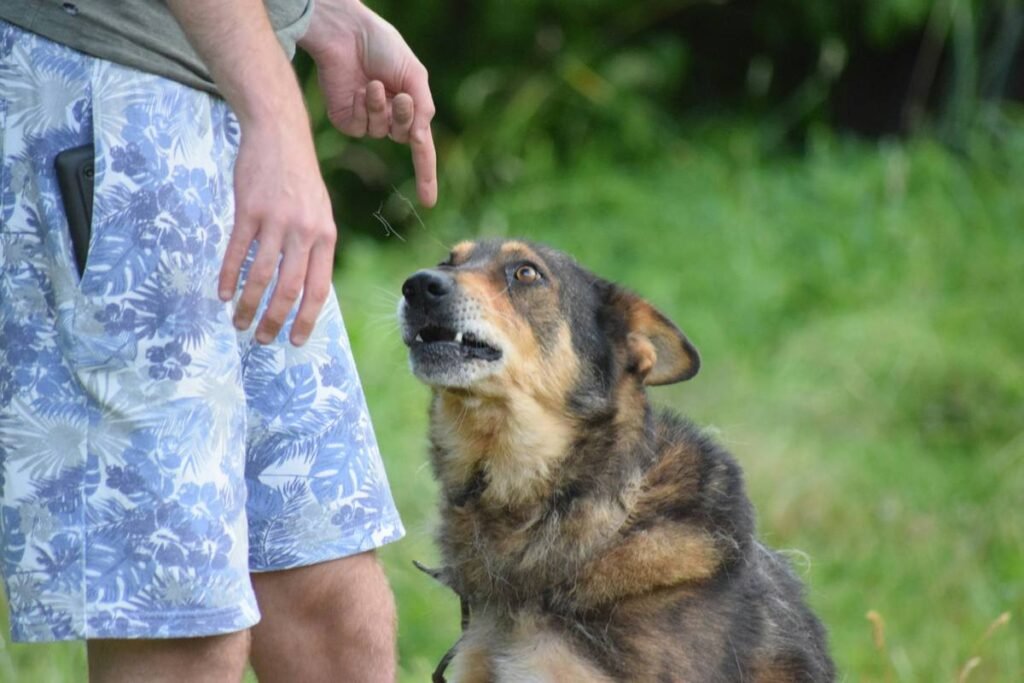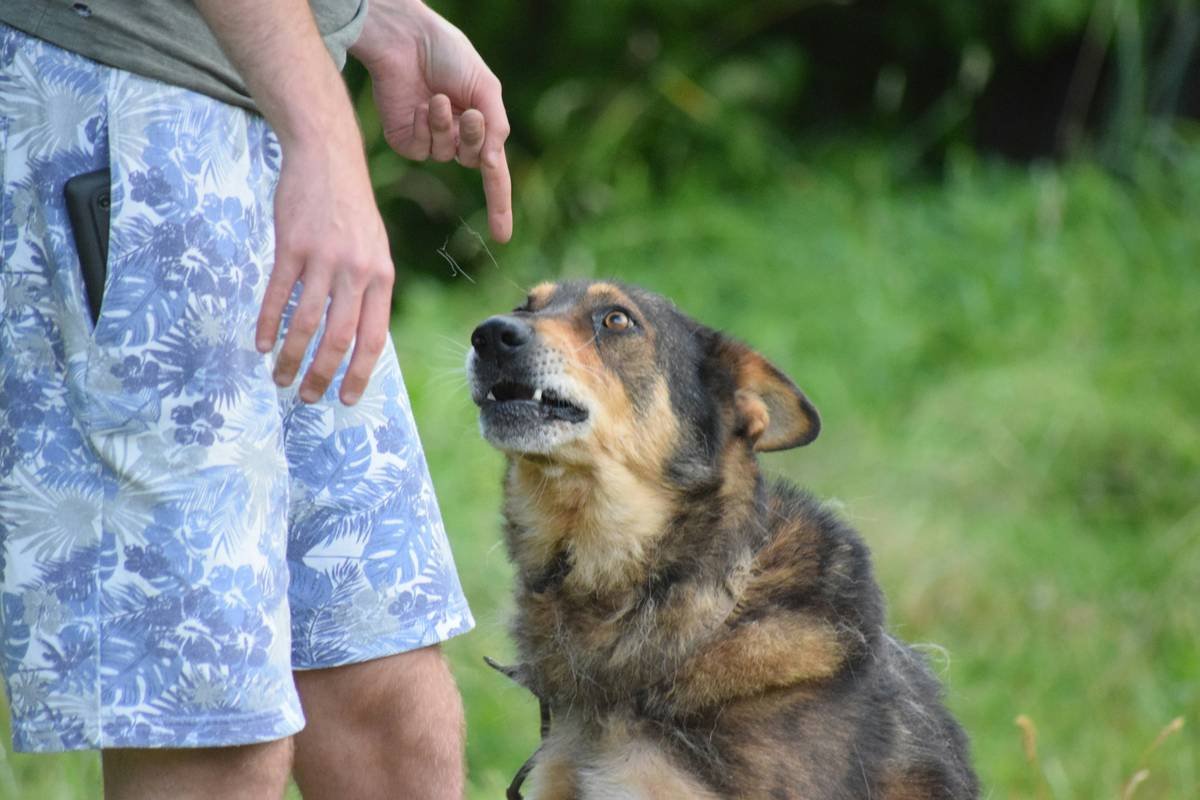
Ever called your dog’s name—again and again—and got nothing but a blank stare? For owners of deaf dogs, that silence isn’t neglect. It’s biology. But here’s the good news: deaf dogs aren’t broken. They’re brilliant learners who just need a different language. And that language is visual command hand signal deaf dog communication.
In this guide, you’ll discover how to build a full visual vocabulary with your deaf pup—from foundational cues like “sit” and “stay” to emergency signals that could save their life. You’ll learn why consistency beats complexity, how to avoid common training pitfalls (yes, I’ve made them all), and real-world strategies vetted by professional trainers and veterinary behaviorists.
Table of Contents
- Why Visual Signals Matter More Than You Think
- Step-by-Step: Teaching Visual Command Hand Signal Deaf Dog Cues
- 5 Best Practices That Actually Work
- Case Study: Luna’s Journey from Confused to Confident
- FAQs About Deaf Dog Hand Signals
Key Takeaways
- Deaf dogs learn faster with clear, consistent visual hand signals—no voice needed.
- Start with 5 core commands: sit, down, stay, come, and “all done.”
- Use positive reinforcement (treats, toys, praise) to build trust and motivation.
- Avoid punishing mistakes—deaf dogs rely on your body language for emotional safety.
- Emergency recall signals should be unique and practiced weekly.
Why Do Visual Command Hand Signals Matter So Much for Deaf Dogs?
If you’ve ever tried shouting across a noisy room and watched your friend shrug in confusion, you’ve tasted a fraction of what a deaf dog experiences daily. But unlike humans, they can’t say, “Sorry, I didn’t hear you.” Instead, they rely entirely on what they see.
According to the American Kennel Club, congenital deafness affects up to 8.5% of Dalmatians and 6–8% of Bull Terriers—breeds commonly born with white pigmentation linked to hearing loss. Yet any dog, regardless of breed, can become deaf due to age, infection, or trauma.
The critical insight? Deafness doesn’t impair intelligence—it changes input channels. In fact, many deaf dogs develop heightened vision and vibration sensitivity. That’s why visual command hand signal deaf dog training isn’t just helpful—it’s essential for safety, bonding, and behavioral clarity.

Confessional Fail: When I first adopted Rico—a deaf Border Collie mix—I used a “down” signal that looked suspiciously like my “stay.” He’d drop to the floor, then immediately pop back up, tail wagging like, “Did I win?” Nope. I’d just given mixed messages. Lesson learned: one gesture = one meaning. Period.
Step-by-Step: How to Teach Visual Command Hand Signal Deaf Dog Cues
How do I start training my deaf dog with hand signals?
Forget voice. Start with luring.
- Choose your signal. Pick a distinct, easy-to-see gesture. Avoid vague wiggles. (Example: “Sit” = flat palm moving slowly downward from chest level.)
- Lure with a treat. Hold a high-value treat near your dog’s nose, then slowly move it upward and slightly back over their head. As their head follows, their rear will naturally lower.
- Mark the behavior. The *instant* their butt hits the floor, flash a thumbs-up (your “yes!” marker) and reward.
- Add the signal. Once they reliably follow the lure, stop moving the treat. Just show the hand signal. Reward only when they respond to the signal alone.
- Generalize the cue. Practice in new locations, with distractions, and at varying distances.
What if my dog won’t look at me?
Deaf dogs can’t hear you call them—so teach a “watch me” signal early. Tap your cheek or use a gentle flashlight blink (never shine directly in eyes) to get attention. Reward eye contact like it’s gold—because it is.
Optimist You: “My dog will master 10 signals in a week!”
Grumpy You: “Sure, Jan—if your dog isn’t busy sniffing squirrel ghosts. Start with ONE. Then breathe.”
5 Best Practices That Actually Work (Backed by Science & Sweat)
- Keep signals large and consistent. Small wrist flicks disappear in daylight. Use full-arm gestures your dog can see from 10+ feet away.
- Never punish mistakes. Yelling is useless—but glaring or jerking the leash creates fear. Deaf dogs read your face intensely. Stay patient.
- Always carry a vibrating collar (non-shock). Not for correction—for attention! A gentle buzz means “look at me,” especially outdoors.
- Practice emergency recall weekly. Use a unique signal (like both arms overhead in a “Y”) paired with ultra-high-value rewards (chicken!). This could prevent bolting into traffic.
- Involve the whole family. Everyone must use the *same* signals. Create a cheat sheet on the fridge!
The Terrible Tip to Avoid
“Just flap your hands wildly until they figure it out.” Nope. Random gestures create anxiety—not learning. Precision builds confidence.
Case Study: Luna’s Journey from Confused to Confident
Luna, a 2-year-old Australian Shepherd, was surrendered to a rescue after her previous owners claimed she was “untrainable.” She was deaf—and terrified of sudden movements.
Her new guardian, Maria, worked with a certified dog trainer specializing in sensory impairments. They started with a single signal: “touch” (nose to hand). Within 3 weeks, Luna reliably made eye contact on cue. By month two, she mastered “sit,” “down,” “stay,” and emergency recall.
Today? Luna competes in agility trials using only visual commands. Her secret? Maria never rushed. She trained in 3-minute bursts, always ended on success, and celebrated tiny wins.
As Dr. Sophia Yin, renowned veterinary behaviorist, once said: “Deaf dogs don’t need less training—they need clearer communication.”
FAQs About Visual Command Hand Signal Deaf Dog Training
Can I use American Sign Language (ASL) with my deaf dog?
Yes! Many ASL signs are intuitive and consistent. “Sit” (flat hand moving down) and “come” (index finger curling inward) align perfectly. Just ensure your whole household uses the same version.
How long does it take to train a deaf dog?
Basic cues: 1–4 weeks with daily 5-minute sessions. Complex behaviors take longer—but deaf dogs often learn *faster* than hearing dogs because they’re hyper-focused on visual input.
Is it safe to let a deaf dog off-leash?
Only in fully fenced areas. Even with strong recall, deaf dogs can’t hear approaching cars or other animals. Always use a long line in open spaces until emergency signals are rock-solid.
Do deaf dogs get frustrated during training?
Not if you keep it positive. Frustration usually comes from unclear signals or inconsistent rewards. Watch for stress signs: lip licking, yawning, or turning away. If seen, end the session happily.
Conclusion
Training a deaf dog with visual command hand signal deaf dog techniques isn’t just possible—it’s deeply rewarding. These dogs aren’t limited; they’re listening with their eyes. With consistency, compassion, and the right signals, you’ll build a bond stronger than words.
Start small. Celebrate progress. And remember: every wag of that tail is a “thank you” in dog language.
Like a 2000s Myspace profile, your hand signals should be bold, consistent, and unmistakably YOU.
Haiku:
Silent pup watches,
Hands speak love in clear gestures—
Trust grows without sound.