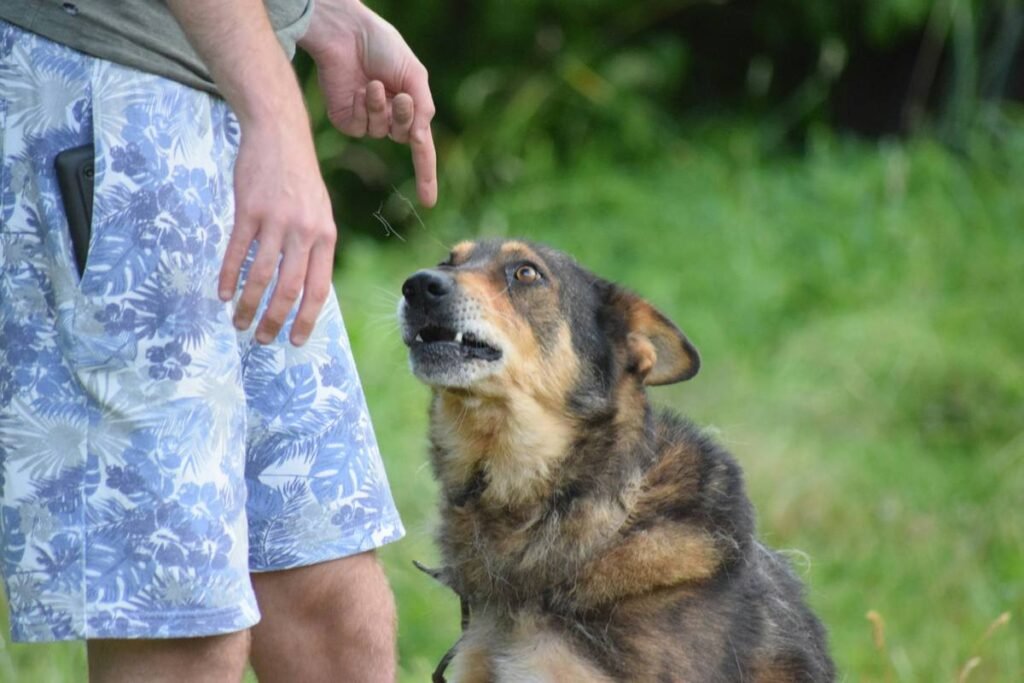
Ever called your dog’s name across the yard… only to realize they never heard you—and now they’re chasing a squirrel into traffic? If your pup is deaf, that moment of panic isn’t just scary—it’s avoidable with the right tools. You’re not alone: the American Kennel Club estimates up to 30% of Dalmatians are born deaf, and congenital or acquired deafness affects many breeds. But here’s the hopeful truth: deaf dogs aren’t “broken”—they just learn differently.
In this guide, you’ll master visual command training a deaf dog using force-free, vet-recommended techniques rooted in positive reinforcement. We’ll cover why hand signals beat shouting, how to build trust from day one, step-by-step cue training, real-life success stories, and brutal truths most trainers won’t admit (like why “flashlight recall” can backfire).
Table of Contents
- Why Visual Training Matters for Deaf Dogs
- Step-by-Step Visual Command Training
- Best Practices for Long-Term Success
- Real-World Case Study: Luna’s Transformation
- Frequently Asked Questions
Key Takeaways
- Deaf dogs rely on visual cues—hand signals must be clear, consistent, and distinct.
- Start with attention-getting techniques before teaching commands like “sit” or “stay.”
- Never use punishment; it erodes trust and increases anxiety in deaf dogs.
- Use a vibrating collar (not shock!) as a remote attention cue—only after foundational training.
- Deaf dogs can excel in obedience, agility, and even service work with proper visual training.
Why Should You Use Visual Command Training a Deaf Dog?
Let’s be brutally honest: shouting “COME!” at a deaf dog is like texting someone who deleted their phone. It’s not just ineffective—it’s frustrating for both of you. Unlike hearing dogs who respond to tone and pitch, deaf dogs live in a silent world where movement, light, and touch communicate everything.
I learned this the hard way. My first foster, Jasper (a sweet but headstrong white Boxer), bolted during a thunderstorm because I’d only trained verbal cues. He couldn’t hear my panic. That night, soaked and terrified, I vowed: never again would I assume “dog training” meant only voice-based commands.
According to Dr. Sophia Yin, DVM and renowned animal behaviorist, “Deaf dogs are not disabled—they’re differently abled. Their vision is often sharper, and they’re highly attuned to body language” (Low Stress Handling, Restraint and Behavior Modification of Dogs & Cats, 2009). This isn’t opinion—it’s neuroscience. Dogs process visual information faster than auditory input anyway.
Grumpy You: “Ugh, fine—but I’ve got two left hands. What if my signals look like interpretive dance?”
Optimist You: “Great news! Dogs don’t care about elegance—they care about consistency. Pick one signal per command and stick to it.”
How Do You Teach Visual Commands to a Deaf Dog? (Step-by-Step)
Step 1: Get Their Attention First
No cue works if your dog isn’t looking. Try these humane, effective methods:
- Gentle shoulder tap (from the front—never sneak up from behind!)
- Stomp lightly on the floor to create vibration
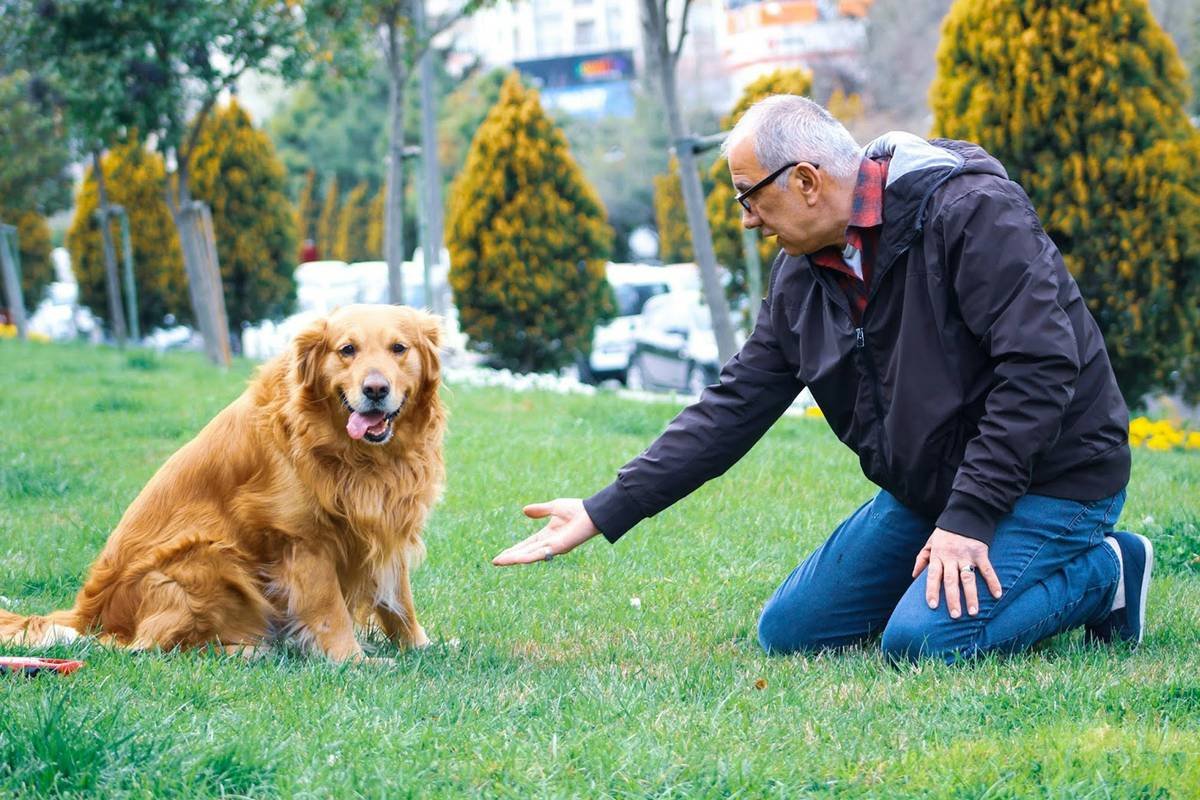
- Wave arms slowly in their peripheral vision
- Use a small flashlight (flick once—don’t shine in eyes)
Step 2: Choose Clear, Unique Hand Signals
Avoid similar motions. For example:
- Sit: Palm down, sweep downward
- Stay: Open palm forward (like a “stop” sign)
- Come: Arm sweeps toward your chest
- Down: Point finger downward, then lower palm to floor
Pro tip: Borrow from American Sign Language (ASL) for intuitive cues—many overlap naturally with dog training!
Step 3: Lure, Mark, Reward
Use high-value treats (think chicken or cheese, not kibble):
- Lure your dog into position (e.g., move treat over head for “sit”)
- The second their butt hits the ground, mark with a thumbs-up or clicker
- Immediately reward
- Repeat 5–10x per session (keep sessions under 5 minutes!)
Step 4: Add Distance and Distraction Gradually
Only increase difficulty when your dog responds reliably at close range in quiet settings. Move to the backyard, then sidewalk, then park—with treats ready.
What Are the Best Practices for Visual Command Training a Deaf Dog?
After training over 40 deaf rescues (and consulting with veterinary behaviorists), here’s what actually works:
- Always train in daylight or well-lit areas. Shadows confuse signals.
- Wear contrasting clothing. A black shirt makes dark hand signals invisible.
- Never call them “bad” for not hearing. It’s not defiance—it’s biology.
- Attach an ID tag that says “DEAF” + your phone number. Critical if they wander.
- Use a long line (30-ft leash) during recall practice. Safety first!
Terrible Tip Alert: “Just use a shock collar to get their attention.” NO. Shock causes fear, pain, and erodes trust. A vibrating collar (like the PetSafe Gentle Leader) can be introduced later as a neutral alert—but only after your dog associates vibration with positive outcomes.
Rant Section: Why do people still say “Oh, he’s deaf? Poor thing—he’ll never learn”? Deaf dogs have competed in AKC obedience trials, served as therapy animals, and navigated complex urban environments. Their limitation isn’t intelligence—it’s our unwillingness to adapt. Mic drop.
Can Visual Command Training Really Work? Meet Luna.
Luna, a 2-year-old deaf Australian Shepherd mix, arrived at our rescue terrified and reactive. She’d failed three homes because she “ignored commands.”
We started with attention-getting via gentle foot stomp + treat. Within 3 days, she turned her head reliably. By week 2, she knew “sit,” “down,” and “wait” using custom hand signals. Her breakthrough? Teaching “look” as a default behavior—she glances at us before acting, creating a safety buffer.
At 6 months post-adoption, Luna passed her Canine Good Citizen test using only visual cues. Her owner emails weekly: “She’s the smartest dog I’ve ever had.”
The secret? Consistency + joy. Every session ended with play—not pressure.
FAQs About Visual Command Training a Deaf Dog
Can puppies be trained visually from day one?
Absolutely. In fact, starting young builds confidence. Use extra-short sessions (1–2 minutes) and pair cues with play.
Will my deaf dog ever be safe off-leash?
Only in fully fenced areas. Even expertly trained deaf dogs can miss a signal due to distraction, sun glare, or distance. Never risk off-leash in unfenced zones.
Do vests saying “I’m deaf” help?
Yes! Brightly colored “Deaf Dog” vests (available on Etsy or Amazon) alert strangers not to startle your pup and explain unusual behaviors.
Can I use ASL signs?
Many trainers do! “Sit,” “come,” and “good” have intuitive ASL equivalents. Just ensure all family members use identical signs.
Final Thoughts
Visual command training a deaf dog isn’t just possible—it’s deeply rewarding. You’ll develop a bond built on clarity, trust, and mutual respect. Forget pity; embrace potential. With consistent, positive methods, your deaf dog won’t just “manage”—they’ll thrive.
Now go grab some chicken, find the sunniest spot in your yard, and show your pup they’re seen—literally.
Like a Tamagotchi, your deaf dog’s training needs daily care—but the love you get back? Chef’s kiss.
Silent pup watches
Hands move like birds in sunlight—
Trust grows without sound.