You adopted a deaf dog—or recently discovered your pup can’t hear. Now what? Panic sets in. You worry they’ll never understand you, stay safe, or feel loved. But here’s the truth: deaf dogs aren’t broken. They’re just wired differently. And with the right approach, they thrive.
Why Traditional Dog Training Fails Deaf Dogs
Barking commands. Whistling for recall. Clapping to interrupt bad behavior. All useless if your dog lives in silence. Standard obedience relies on sound—but that doesn’t mean communication is impossible. It means you must shift your entire mindset.
Most trainers default to frustration when verbal cues fall flat. They double down on volume, not realizing the real issue isn’t the dog—it’s the method. Deaf dogs process visual input faster than hearing peers. Ignore that advantage, and you’ll miss everything.
How to Help a Deaf Dog: A Step-by-Step Visual Training Blueprint
Forget yelling. Start seeing. Build a language of light, touch, and movement—not noise.
Master the Basics With Hand Signals
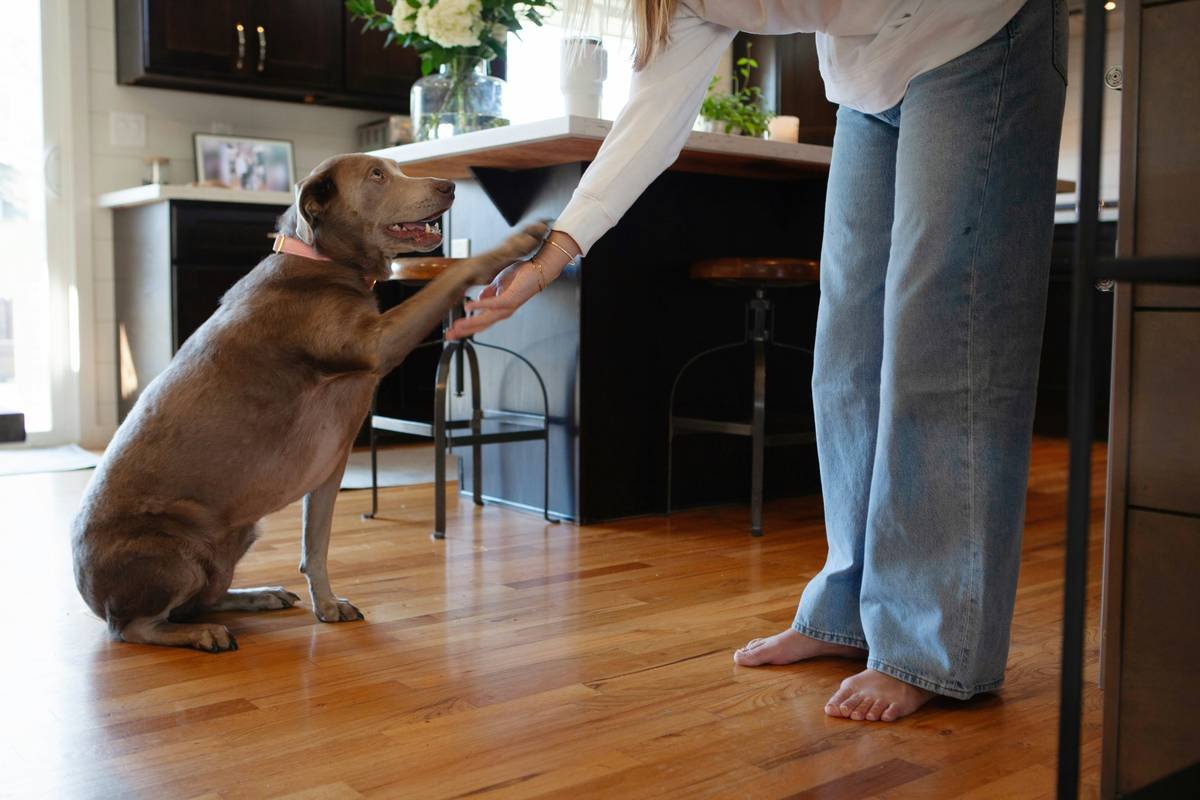
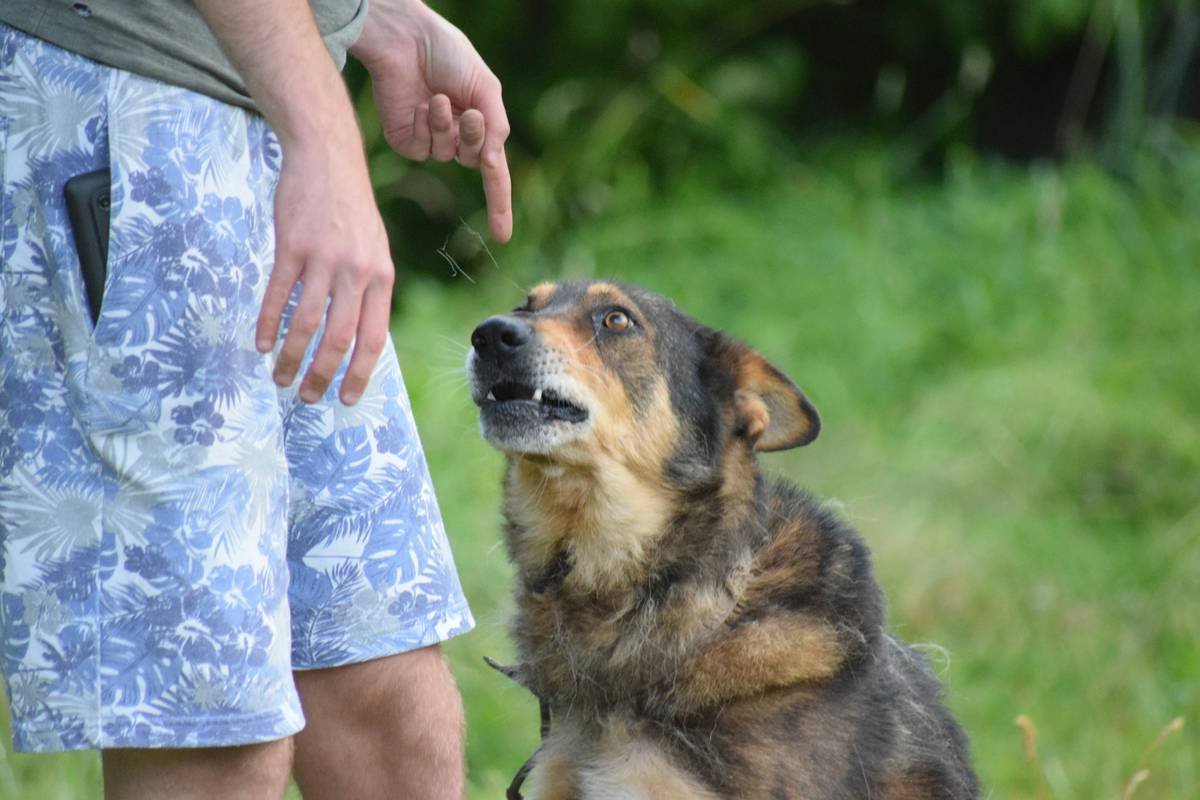
Consistency beats creativity. Pick one clear gesture per command—and stick to it. No variations. “Sit” shouldn’t change based on your mood or arm angle. Use American Sign Language (ASL) signs or invent your own, but document them. Your whole household must use identical signals.
Use Light as a Recall Trigger
A quick flash of a flashlight or phone torch becomes your “come here” beacon—at night, around corners, even mid-chase. Pair the light with high-value treats until your dog associates brightness with joy. Never use it punitively.
Wake Gently—Never Startle
Approach slowly. Tap the floor near their paw. Place your hand in their line of sight before touching. A startled deaf dog may snap—not out of aggression, but pure survival instinct. Safety starts with predictability.
| Training Method | Cost | Time to Reliability | Best For |
|---|---|---|---|
| Custom Hand Signals + Treats | $0–$20 (for treats) | 2–6 weeks | Home-based foundational training |
| Vibration Collar (Non-Shock) | $40–$80 | 1–3 weeks | Outdoor recall in distracting environments |
| Professional Deaf-Dog Trainer | $100–$250/session | Varies | Complex behavioral issues or group classes |
| Visual Marker (LED collar or flashlight) | $10–$30 | Immediate (with conditioning) | Night walks, off-leash safety |
The Industry Secret Nobody Talks About: Touch Is Your Secret Weapon
Here’s what even seasoned trainers overlook: deaf dogs crave tactile feedback more than sight alone. A gentle shoulder tap for “watch me.” A two-finger brush on the flank for “let’s go.” These micro-touches create an intimate bond that visuals can’t replicate.
I worked with a rescued German Shepherd named Juno who ignored every hand signal for weeks. Then we introduced a soft neck stroke paired with the “stay” cue. Within days, she held position longer than any hearing dog in class. Why? Because touch bypasses distraction—it lands directly in the nervous system. Don’t just wave your hands. Connect through contact.
Frequently Asked Questions
Can deaf dogs live normal, happy lives?
Absolutely. Deafness doesn’t limit joy, intelligence, or loyalty. With visual cues and consistent routines, they adapt brilliantly. Many compete in agility, therapy work, and obedience trials.
How do you get a deaf dog’s attention from across the room?
Stomp your foot to create vibration, flick the lights, or use a laser pointer (briefly). Pair any method with a reward so it becomes a positive alert—not a scare tactic.
Is it safe to let a deaf dog off-leash?
Only in fully enclosed areas. Without auditory awareness, cars, bikes, or other animals pose serious risks. Use long lines or secure yards until recall is 100% reliable with visual or vibration cues.