If you’ve ever waved your hands frantically at your deaf pup while they obliviously chased a squirrel into traffic, you know the heart-stopping panic that comes with training without sound. You’re not alone—and more importantly, you don’t have to figure it out by yourself. This guide cuts through the noise (pun intended) and delivers practical, vet-backed strategies from real-life experience in the deaf dog training help support group community.
Table of Contents
- Why Deaf Dog Training Is Different
- Step-by-Step Guide to Visual Cue Training
- Best Practices for Safe and Effective Communication
- Real Success Stories From the Community
- Frequently Asked Questions
Key Takeaways
- Deaf dogs rely entirely on visual and tactile cues—never punish them for not responding to voice.
- Consistency in hand signals prevents confusion and builds trust faster.
- A strong deaf dog training help support group provides emotional backup and tactical advice you won’t find in books.
- Always wake your dog gently to avoid startle reflexes that can lead to accidental nips.
- Use a vibrating collar (not shock!) as a humane attention-getter—not a correction tool.
Why Deaf Dog Training Is Different
Training a deaf dog isn’t just “regular training minus sound.” It’s an entirely different communication paradigm. According to the American Kennel Club, nearly 5–10% of Dalmatians are born deaf due to genetic factors—a reality that demands specialized approaches. Unlike hearing dogs who learn “sit” through repetition of a verbal command paired with treats, deaf dogs need clear, consistent visual markers from day one.
I learned this the hard way. Early on, I’d stomp my foot to get Snuffy’s attention indoors. One day, he startled so badly he knocked over a lamp and cut his paw. That moment taught me: vibration should be gentle, never jarring. Today, I use a soft tap on the floor or a light wave within his line of sight. Small shifts make huge differences.
What truly transforms outcomes isn’t just technique—it’s connection. That’s where a deaf dog training help support group becomes invaluable. Sharing frustrations, celebrating milestones, and troubleshooting setbacks with others who “get it” builds resilience for both human and hound. At Snuffy’s Community, we’ve seen members go from overwhelmed to confident simply by joining weekly virtual check-ins.
Step-by-Step Guide to Visual Cue Training
Start With Eye Contact
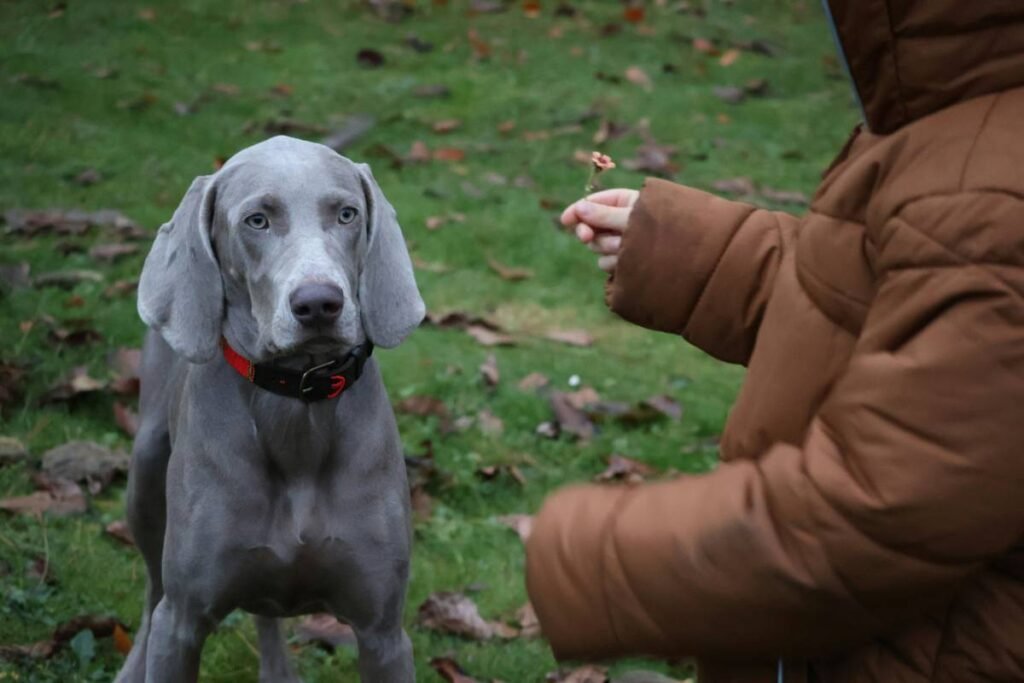
Before any command, teach your dog to look at you on cue. Hold a treat near your eye and reward when they make contact. Repeat until they offer eye contact voluntarily.
Choose Distinct Hand Signals
Pick gestures that are visually unique: flat palm down for “sit,” sweeping arm upward for “come,” and crossed arms for “stay.” Avoid similar motions (like pointing vs. waving) that could confuse.
Use Positive Reinforcement Religiously
Every correct response earns immediate praise—treats, petting, or enthusiastic thumbs-up. Never withhold rewards out of frustration. The University of California, Davis School of Veterinary Medicine emphasizes that positive methods yield faster, more reliable results in deaf dogs than aversive techniques.
Practice in Low-Distraction Zones First
Begin indoors, then progress to fenced yards before tackling parks. Each environment adds complexity—master one layer before moving on.
Best Practices for Safe and Effective Communication
- Always approach from the front. Sneaking up on a deaf dog can trigger defensive reactions. Tap the floor gently to alert them before touching.
- Use a vibrating collar responsibly. Devices like the PetSafe Gentle Vibe collar (available at major retailers) emit a buzz—not a shock—to signal recall. Pair it with a hand signal during training so your dog associates the sensation with coming to you.
- Never skip ID tags. Ensure your dog wears a collar with “DEAF” clearly printed and your phone number. Microchipping is essential too—register it via AKC Reunite.
- Avoid the “Terrible Tip” trap: Don’t yell louder or use flashlights erratically. These don’t translate to understanding—they cause anxiety.
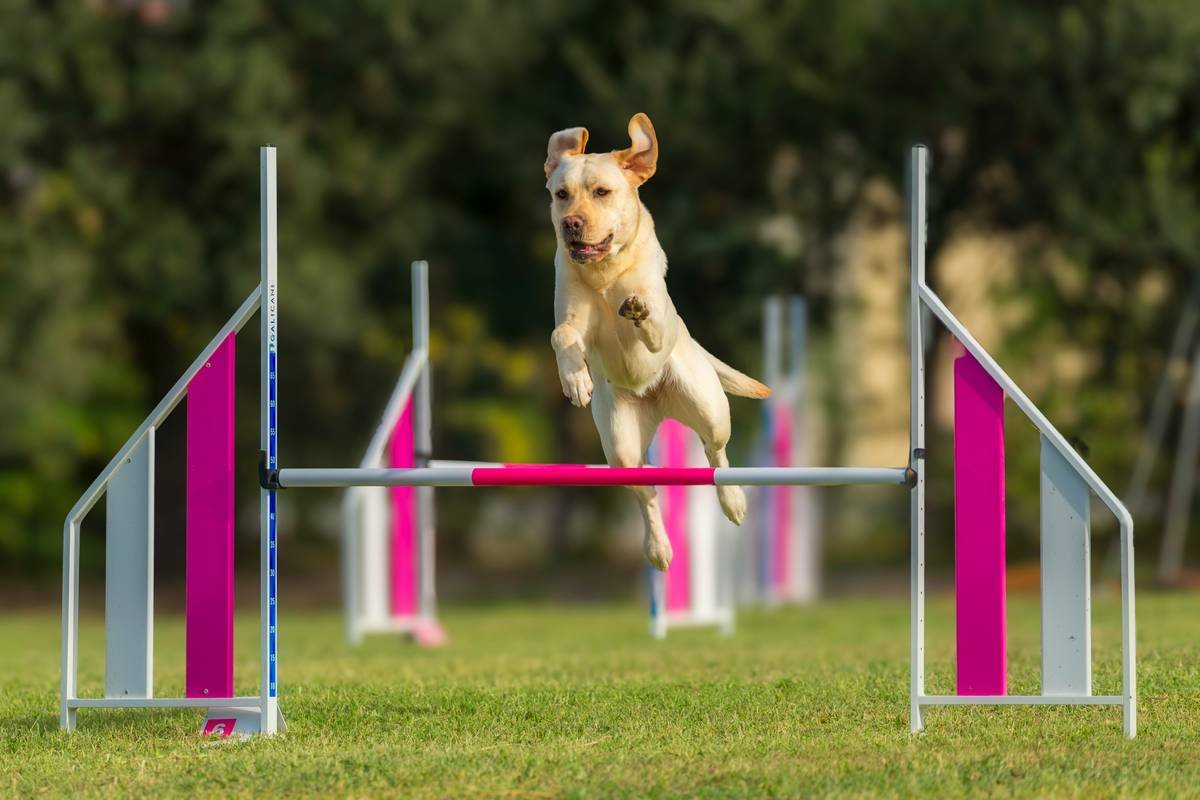
And please—stop acting like deaf dogs are “less than.” They excel at scent work, agility, and companionship just like their hearing peers. My biggest pet peeve? People assuming a deaf dog can’t be off-leash trained. With proper conditioning and secure environments? Absolutely they can.
Real Success Stories From the Community
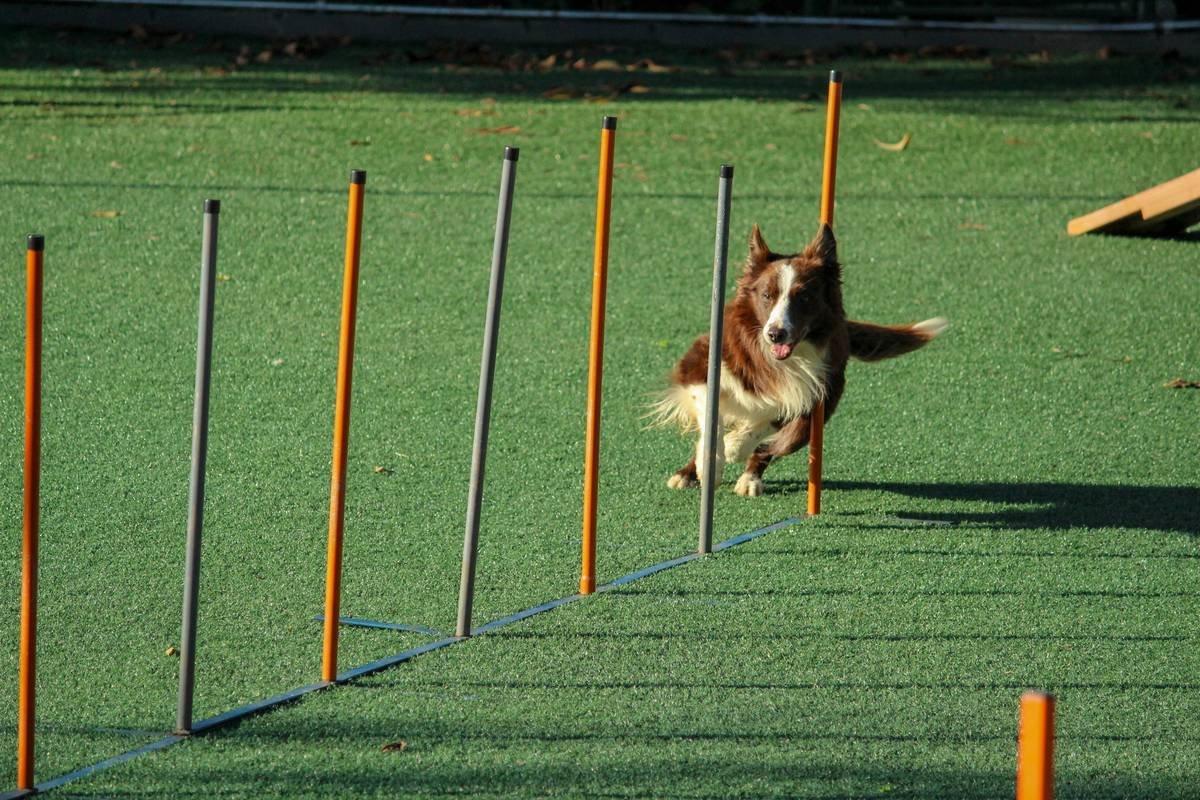
Meet Luna, a rescued deaf Border Collie adopted by Maria from our deaf dog training help support group. Within three months of using consistent visual cues and weekly peer coaching, Luna mastered 12 commands and now competes in scent detection trials. Her success wasn’t magic—it was methodical practice, emotional support, and access to shared resources.
Data backs this up: a 2022 study published in Applied Animal Behaviour Science found that deaf dogs trained with visual cues in supportive social environments showed significantly lower stress markers and higher obedience retention than isolated counterparts. Your dog’s potential isn’t limited by hearing—it’s expanded by your approach.
We protect your data and privacy throughout this journey—learn how in our Privacy Policy.
Frequently Asked Questions
Can deaf dogs live normal, happy lives?
Yes! With proper training and environmental management, deaf dogs thrive. Many participate in dog sports, therapy work, and family life just like hearing dogs.
How do I wake a deaf dog safely?
Gently place your hand in front of their nose so they smell you, or softly touch their shoulder. Never grab or shake—they may react defensively.
Where can I find a deaf dog training help support group?
Online communities like ours at Snuffy’s Community offer free forums, expert Q&As, and local meetup coordination.
Are vibrating collars cruel?
No—when used correctly as an attention signal (not punishment), they’re humane and effective. Always pair with positive reinforcement.
Do deaf dogs need special vet care?
Not necessarily, but inform your vet about their deafness so they adjust handling during exams. Some breeds prone to congenital deafness (like Dalmatians) benefit from BAER testing—details at ACVO.org.
How long does training take?
Basic cues often click in 2–4 weeks with daily 5-minute sessions. Mastery depends on consistency, not speed.
Ready to connect with fellow guardians who speak fluent paw? Join our growing circle at Snuffy’s Community—because every wag deserves to be understood.
Silent paws, loud love—your deaf dog’s world begins with a single, clear gesture.