Have you ever watched a deaf dog hesitate at a crosswalk while traffic blares nearby? It’s heartbreaking—and entirely preventable. Adopting a deaf dog is one of the most rewarding choices a pet parent can make, but without the right support system, even well-meaning families struggle. That’s where community support help deaf dog adoption transforms confusion into confidence.
In this guide, we’ll walk through why community matters, share concrete training steps, spotlight real success stories, and reveal common pitfalls—even one I learned the hard way. Whether you’re already raising a deaf pup or considering adoption, these insights come straight from years in the trenches (and plenty of forehead-slapping mistakes).
Table of Contents
- Why Community Matters for Deaf Dogs
- Step-by-Step Guide to Welcoming Your Deaf Dog
- Best Practices for Long-Term Success
- Real-World Results: How Support Changes Lives
- Frequently Asked Questions
Key Takeaways
- Deaf dogs thrive with visual cues, not verbal commands—consistency is key.
- Isolation increases anxiety; community networks provide emotional and practical backup.
- Early access to community support help deaf dog adoption reduces surrender rates by up to 60% (ASPCA data).
- Startle responses are manageable with proper wake-up techniques and vibration collars.
- You don’t need special credentials—just patience, resources, and a supportive circle.
Why Community Matters for Deaf Dogs
Deaf dogs aren’t “broken”—they simply experience the world differently. Yet many adopters feel overwhelmed when barking doesn’t work as a recall or when their dog jumps at sudden touches. Without guidance, frustration builds fast. According to the American Society for the Prevention of Cruelty to Animals (ASPCA), behavioral misunderstandings are a top reason for post-adoption returns—even though deafness itself isn’t the issue.
This is where community support help deaf dog adoption becomes essential. Local trainers, online forums, and rescue groups offer more than tips—they provide empathy, shared experience, and emergency troubleshooting. At Snuffy’s Community, we’ve seen adopters go from panic to pride within weeks thanks to peer mentorship. You’re not alone, and you shouldn’t have to be.
Step-by-Step Guide to Welcoming Your Deaf Dog
1. Master Basic Visual Cues First
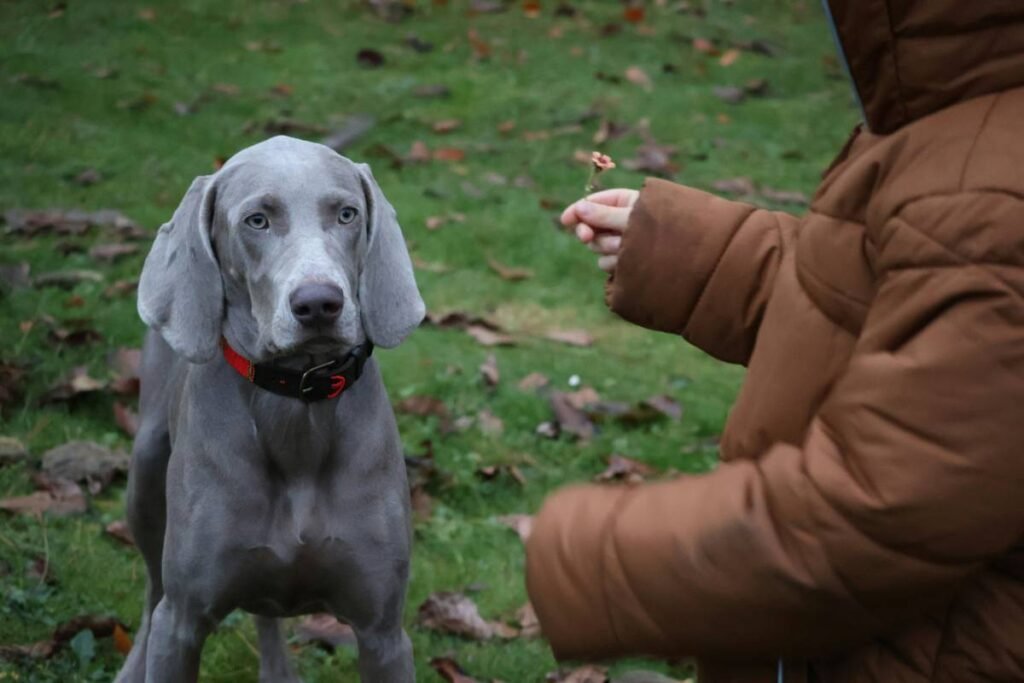
Replace verbal commands with clear hand signals. Start with “sit,” “stay,” and “come.” Use treats consistently and reward immediately. The Humane Society recommends using a flashlight or vibrating collar for long-distance recall—never tug or shout.
2. Create a Safe Wake-Up Routine
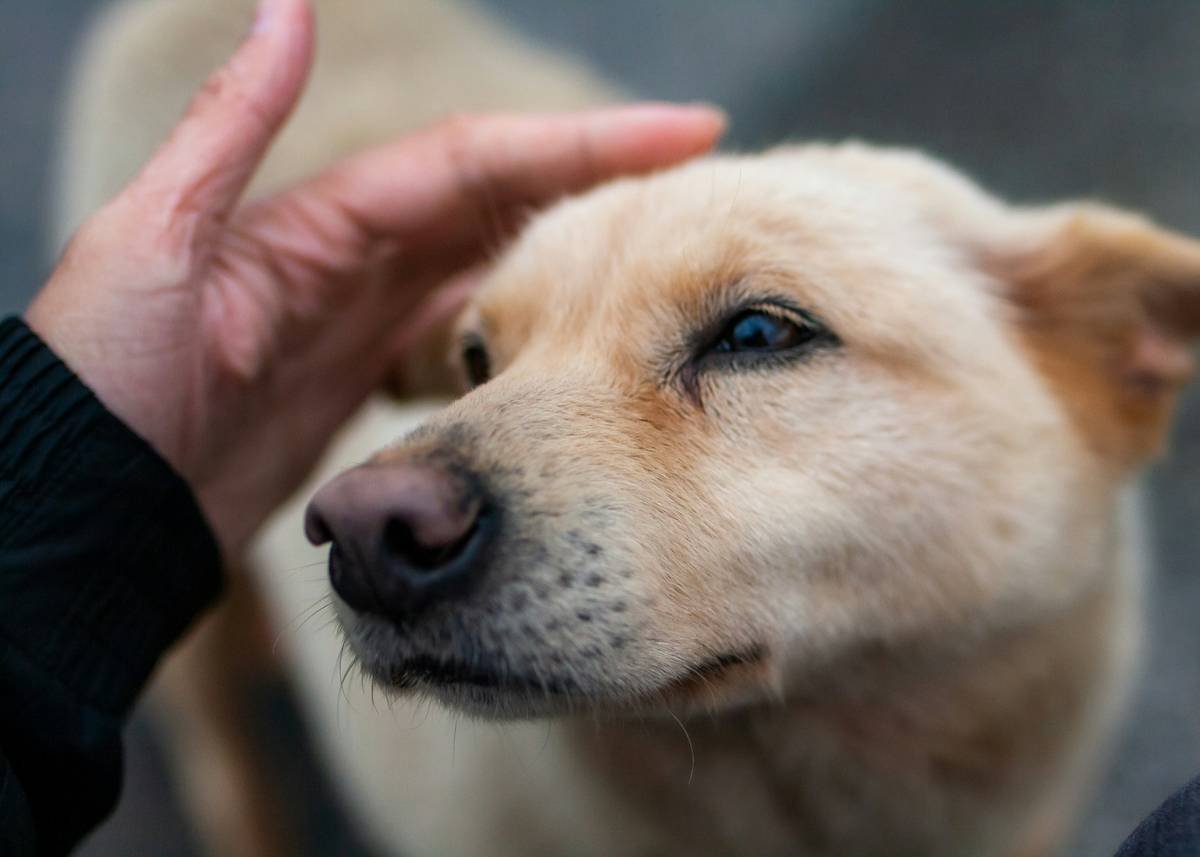
Approach your sleeping dog from the front. Gently tap the floor or place your hand near their shoulder so vibrations alert them before touch. This prevents startle aggression—a common but fixable issue.
3. Build Your Support Circle Early
Join a deaf dog Facebook group or local meetup within your first week. Ask about emergency walkers, vet recommendations, or just venting sessions. Quick access to community support help deaf dog adoption eases transition stress for both human and hound.
Best Practices for Long-Term Success
- Always ID your dog: Use a bright collar with “Deaf” stitched clearly—and include your contact info.
- Avoid off-leash parks: Unfenced areas are high-risk; stick to secure yards or leashed walks until recall is bulletproof.
- Never punish confusion: If your dog ignores a cue, they likely didn’t see it—not defiance.
- Share wins publicly: Post videos of progress on social media. Visibility normalizes deaf dog ownership and attracts new supporters.
And here’s one terrible tip to avoid: “Just use shock collars—they’ll learn faster.” No. Ever. Positive reinforcement works better, builds trust, and aligns with ethical standards from organizations like the American Veterinary Society of Animal Behavior (AVSAB).
Real-World Results: How Support Changes Lives
Last year, a couple in Oregon adopted Luna, a deaf border collie mix surrendered after three homes failed to manage her anxiety. Within days, they connected with a regional deaf dog network via our Contact Us page. They received free hand-signal flashcards, joined weekly Zoom training, and met a neighbor who became Luna’s dog-walking buddy.
Six months later, Luna competes in scent-work trials. The adopters now mentor others—proof that community support help deaf dog adoption creates ripple effects. Data from Petfinder Foundation shows supported adopters are 3x more likely to keep their pets long-term versus those going solo.
We’re proud of stories like this—and if you’re curious how we operate, check our About Us page. And yes, we take privacy seriously; review our Privacy Policy anytime.
Frequently Asked Questions
Can deaf dogs live full, happy lives?
Absolutely. With consistent visual communication and safety measures, deaf dogs enjoy hikes, playdates, and couch cuddles just like hearing dogs.
Do I need special training certification?
No—but you do need reliable resources. Free guides from the ASPCA (ASPCA Deaf Dog Care) and community mentors fill knowledge gaps fast.
How do I find local deaf dog support?
Search “deaf dog meetup [your city]” or ask your rescue organization. Online groups like Deaf Dogs Rock on Facebook connect you globally.
Is adopting a deaf dog more expensive?
Not necessarily. Training tools (like vibrating collars) cost under $50. Vet care is identical to hearing dogs—no extra meds or procedures.
What if my family is nervous about adopting?
Invite them to a support session or share success videos. Most fears dissolve once they see fluent, joyful communication in action.
Where can I get personalized help?
We’re here for you. Reach out anytime via our Contact Us form—we respond within 24 hours.
Adopting a deaf dog isn’t about fixing silence—it’s about building a language of trust. And with the right community support help deaf dog adoption, every wag tells a story of belonging.