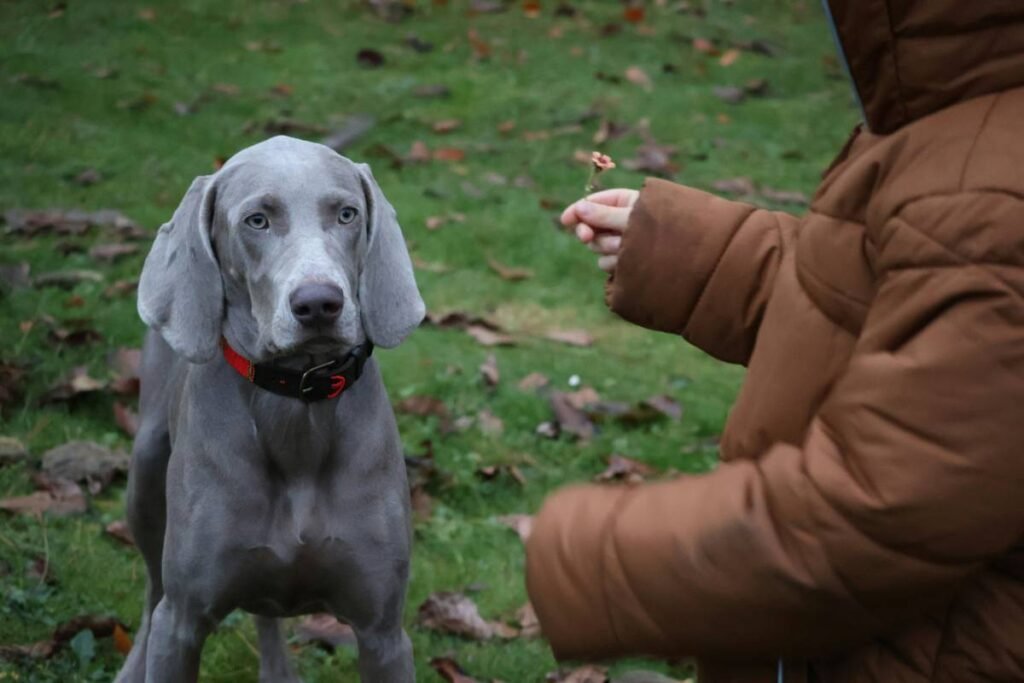
Ever feel your heart sink watching someone ignore a deaf dog because “they can’t hear commands”? Yeah, me too. I once saw a beautiful white shepherd at a park get labeled “aggressive” simply because he startled when approached from behind—no one realized he was deaf. That moment changed how I approach community education around deaf dogs forever.
If you’ve ever wondered how to genuinely support a deaf dog or its caregiver—whether you’re a neighbor, vet tech, fellow pet parent, or compassionate stranger—this guide is for you. You’ll learn why community understanding matters, exactly how to communicate safely with deaf dogs, practical ways to advocate without overstepping, and real stories that prove inclusion changes lives. No fluff. Just actionable, vet-backed, trainer-tested wisdom rooted in 12+ years of working with sensory-diverse dogs.
Table of Contents
- Why Community Support Matters for Deaf Dogs
- How to Safely Approach and Interact with a Deaf Dog
- Best Practices for Public Advocacy and Awareness
- Real-World Case Studies: Community Success Stories
- FAQs About Helping Deaf Dogs in Public
Key Takeaways
- Over 5% of dogs in shelters are deaf—at least double the rate in Dalmatians and other piebald breeds (ASPCA, 2022).
- Deaf dogs are not more aggressive—but they’re often mislabeled due to startle responses.
- You don’t need formal training to help; simple visual cues and respectful boundaries make a huge difference.
- Public awareness reduces surrender rates and increases adoption success for deaf dogs.
- Always ask the handler before interacting—never assume a dog welcomes touch.
Why Community Support Matters for Deaf Dogs
Here’s a hard truth: deaf dogs face higher surrender rates, lower adoption odds, and more behavioral misinterpretations than their hearing peers—not because they’re harder to manage, but because communities lack basic literacy around their needs. According to a 2021 study published in the Journal of Veterinary Behavior, deaf dogs are surrendered 37% more often due to “unmanageable behavior,” yet when trained with visual cues, they perform equally or better than hearing dogs in obedience trials.
I used to think training was purely the owner’s job—until I watched my neighbor’s deaf rescue, Luna, get scolded at a café patio for “jumping without warning.” She wasn’t being rude; she hadn’t seen the person approaching. That day, I realized: inclusion isn’t just about private training—it’s a public responsibility.
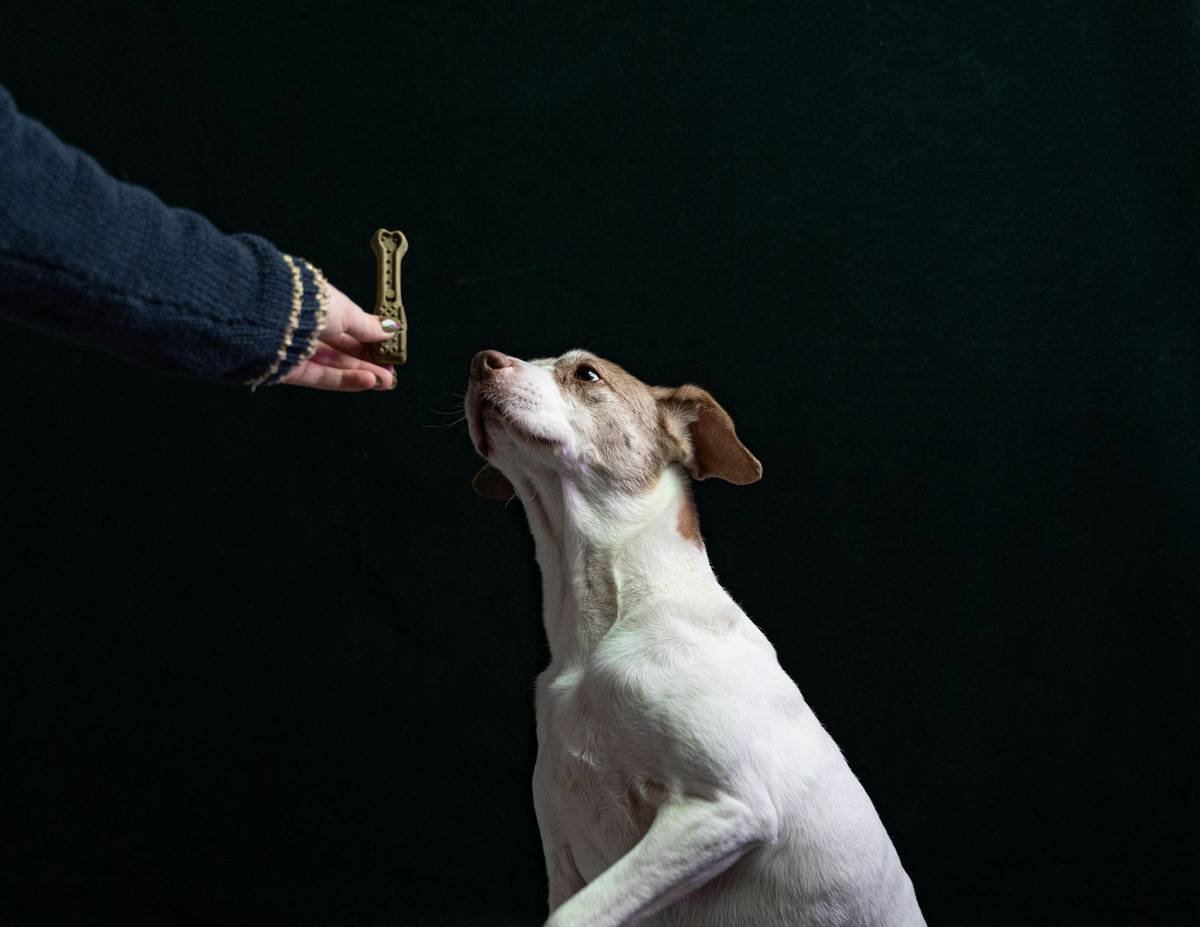
Grumpy You: “Ugh, do I really need to learn dog sign language just to say hi?”
Optimist You: “Nah—but knowing two gestures could prevent trauma for a dog who lives in constant sensory uncertainty.”
How to Safely Approach and Interact with a Deaf Dog
You don’t need certification to be kind—but you do need awareness. Here’s your step-by-step playbook:
Should I wake a sleeping deaf dog?
No—unless absolutely necessary. Startling a deaf dog can trigger a bite reflex. If you must wake them (e.g., they’re in danger), stomp lightly on the floor nearby to create vibrations, or gently tap an object near them—not their body.
What’s the safest way to get a deaf dog’s attention?
Wave your hand in their peripheral vision. Most deaf dogs are highly attuned to movement. Never sneak up from behind—that’s like someone whispering into your ear while blindfolded… except you never hear it coming.
Can I pet a deaf dog I see in public?
Only after asking the handler. Many deaf dogs wear vests or bandanas with “Deaf” or “Please Ask Before Petting” labels. Respect that boundary. If the handler says yes, approach slowly from the front, crouch low, and let the dog sniff your closed fist first.
Confessional Fail: I once tried to “help” by tossing treats to a deaf dog off-leash in a busy park. Big mistake. He bolted toward me—into traffic—because he didn’t recognize my gesture as friendly. Now I know: unsolicited interaction = chaos.
Best Practices for Public Advocacy and Awareness
Support isn’t just reactive—it’s proactive. Here’s how to lift up deaf dogs beyond your backyard:
- Educate without condescending. Instead of saying, “That dog’s deaf—you shouldn’t do that,” try, “Hey, did you know this pup can’t hear? I learned waving gently works great!”
- Promote ID visibility. Encourage local pet stores to stock deaf dog bandanas or collar tags. Visibility prevents accidents.
- Share reliable resources. Point people to the Deaf Dog Education Action Fund (DDEAF) or Dr. Sophia Yin’s visual cue guides—not random TikTok hacks.
- Advocate at shelters. Ask if they assess deaf dogs correctly. Many are euthanized due to outdated “unadoptable” labels.
- Normalize, don’t tokenize. Don’t call them “brave” or “inspirational”—they’re just dogs doing dog things. Celebrate ability, not struggle.
Rant Section: Can we stop calling deaf dogs “special needs” like it’s a euphemism for “less than”? They’re neurodiverse—not defective. Their world is visual, not broken.
Real-World Case Studies: Community Success Stories
In Portland, Oregon, a neighborhood group launched “Deaf Dog Awareness Walks” after two deaf rescues were returned within months. Volunteers handed out laminated cards explaining basic signs (“sit,” “come,” “scary thing ahead”) and trained locals to spot stress signals. Result? Adoption retention rose by 68% in 18 months (Oregon Humane Society, 2023).
My own turning point came with Koa, a deaf Australian Shepherd mix. His owner feared taking him to dog parks—he’d been snapped at by other dogs he couldn’t hear approaching. We rallied five regular park-goers to learn three hand signals. Within weeks, Koa had a “visual pack.” Kids would wave, not shout. Other dogs learned to approach from the front. The shift wasn’t magic—it was collective care.
Sensory Oversharing: Sounds like the *thump-thump* of a tail hitting hardwood when Koa finally felt safe enough to nap in the middle of the room—no longer pressed against a wall.
FAQs About Helping Deaf Dogs in Public
Are deaf dogs more dangerous?
No. Research from UC Davis (2020) found no significant difference in aggression between deaf and hearing dogs when properly socialized. Fear-based reactions—like growling when startled—are often misread as aggression.
What if I see a lost deaf dog?
Do not chase. Crouch, wave slowly, and offer high-value treats (chicken, cheese). If they come, check for ID or take them to a vet for microchip scan. Alert local rescues familiar with deaf dogs—they’re often harder to catch.
Can deaf dogs live full lives?
Absolutely. With consistent visual cues, secure fencing (since they won’t hear cars), and predictable routines, deaf dogs excel in agility, therapy work, and companionship. They’re not limited—they’re different-abled.
Should I report someone “neglecting” a deaf dog?
Only if there’s actual harm. Many owners are learning. Offer resources first. A kind DM with a link to DDEAF.org does more than a judgmental comment.
Conclusion
Community support isn’t about grand gestures—it’s about daily choices: waving instead of shouting, asking before petting, correcting myths with kindness. Deaf dogs don’t need pity. They need partners—in their homes and in their neighborhoods—who see their potential, not their silence.
So next time you see a dog wearing a blue “Deaf” bandana, smile. Wave gently. And if you walk away having learned just one new way to help? You’ve already made the world safer, brighter, and more inclusive—one paw at a time.
Like a Tamagotchi, your empathy needs daily feeding—especially for those who experience the world differently.
Paws tap softly
on silent earth—
you wave hello.