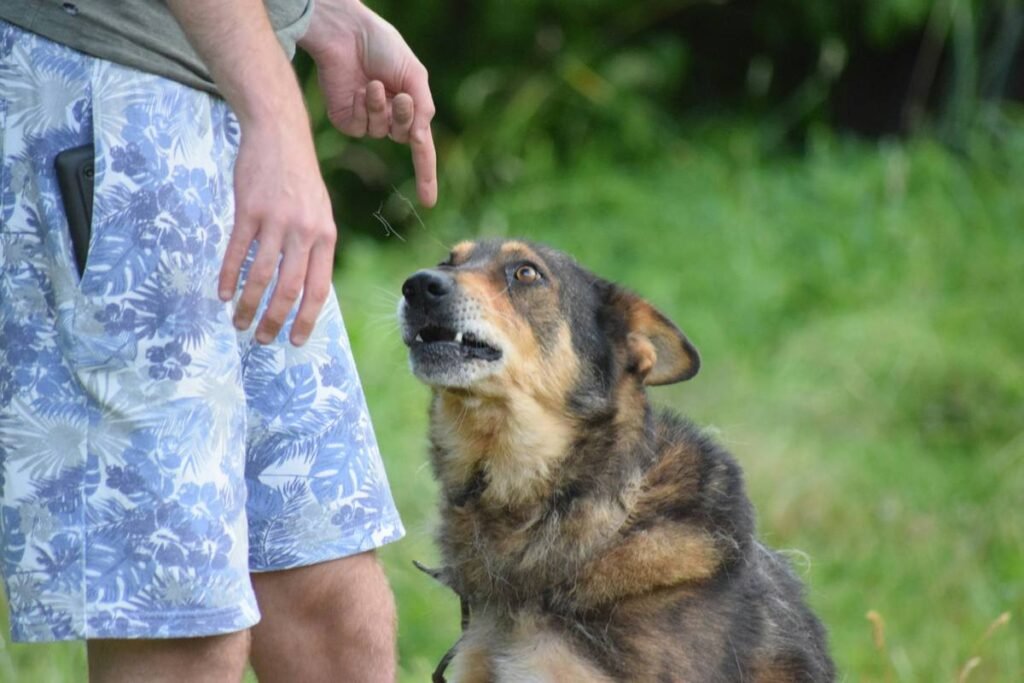
Ever called your dog’s name across a park—only to watch them trot blithely toward a squirrel, oblivious to your frantic shouts? Now imagine that happening every single time, not because they’re ignoring you… but because they literally can’t hear you. If you’re raising a deaf dog, that silence isn’t a barrier—it’s an invitation to communicate differently, deeply, and brilliantly.
In this guide, you’ll learn exactly how to teach effective deaf dog commands using visual cues, build trust through consistency, avoid common training pitfalls, and transform everyday moments into joyful connection. Drawing from over 8 years of hands-on work with hearing-impaired dogs (including my own rescue, Luna—a lightning-fast deaf Border Collie mix who once “ignored” a rattlesnake until I flashed her “LOOK!” signal), I’ll show you why visual language isn’t just a workaround—it’s a superpower.
Table of Contents
- Why Is Deaf Dog Training Different?
- How to Teach Deaf Dog Commands: Step-by-Step
- 5 Best Practices for Reliable Deaf Dog Commands
- Real-Life Case Study: From Chaos to Calm with Max
- FAQs About Deaf Dog Commands
Key Takeaways
- Deaf dogs thrive on clear, consistent visual signals—not verbal cues.
- Start with attention-getting techniques before teaching core commands.
- Use positive reinforcement exclusively; punishment erodes trust in deaf dogs.
- Flashlights, gentle taps, or vibrating collars (used ethically) can safely get attention.
- Consistency across all family members is non-negotiable for success.
Why Is Deaf Dog Training Different?
Let’s be real: most dog training advice assumes your pup can hear. But roughly 5–10% of domestic dogs experience some degree of hearing loss—and congenital deafness is especially common in breeds like Dalmatians, Australian Shepherds, and Bull Terriers (per the American Kennel Club). When sound is off the table, everything changes.
I learned this the hard way. Early in my career as a certified canine behavior consultant (CCBC), I adopted Luna without knowing she was deaf. For weeks, I shouted “sit!” while she stared blankly at my flapping lips. My frustration grew—until I realized I was the one failing to adapt. Once I switched to hand signals, her intelligence exploded. She wasn’t untrainable; I was speaking the wrong language.
Deaf dogs rely heavily on sight and vibration. They’re often hyper-observant—but startling easily if approached unexpectedly from behind. That’s why training must prioritize safety, predictability, and emotional security from day one.
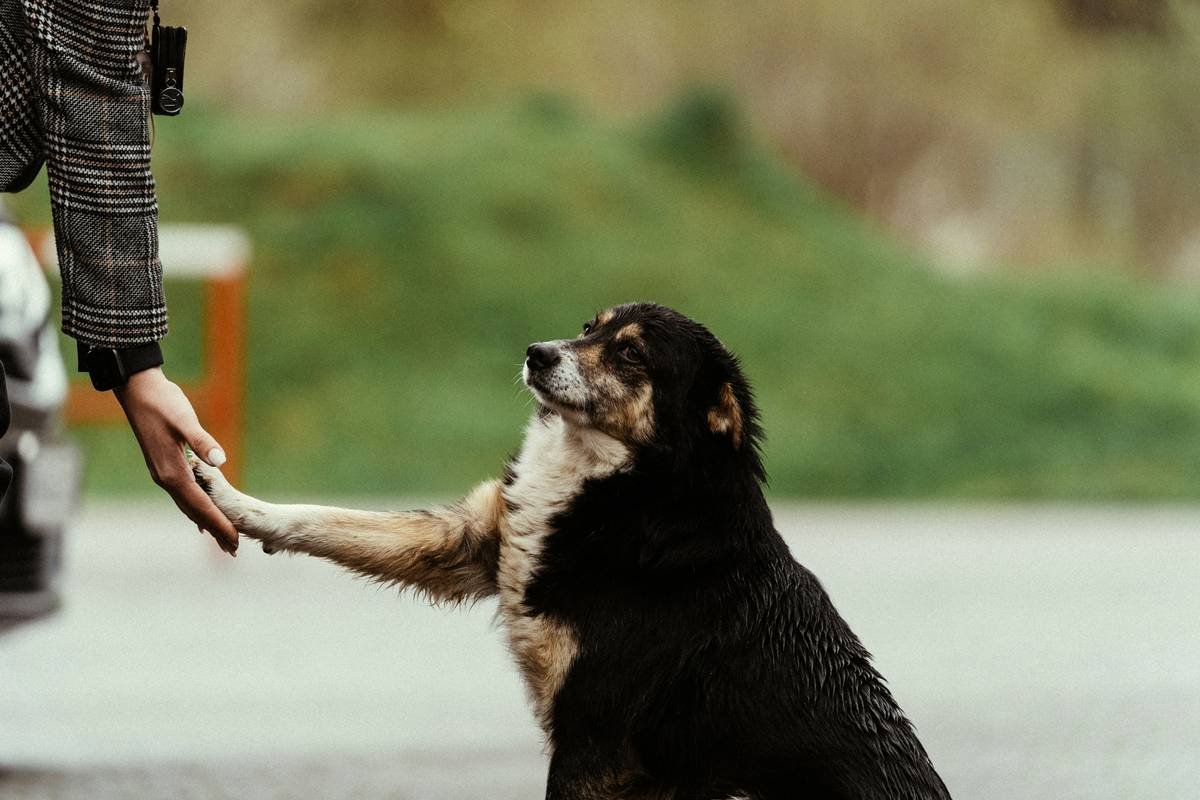
How to Teach Deaf Dog Commands: Step-by-Step
Forget “sit,” “stay,” and “come” as you know them. With deaf dogs, these become silent ballet moves—precise, repeatable, and paired with immediate rewards.
Step 1: Master the “Look” Signal First
Before any command works, your dog must notice you. Use one consistent method:
- Flashlight tap: Brief pulse aimed near (not at) their eyes.
- Gentle shoulder tap: Only when approaching from the front.
- Stomp on floor: Creates vibrations they feel through paws.
Optimist You: “They’ll learn to check in constantly!”
Grumpy You: “Only if I keep treats in every room… and my pockets… and my car…”
Step 2: Create Distinct Hand Signals
Choose large, clear gestures. Avoid vague motions—use ASL signs or custom signals, but stay consistent. Examples:
- Sit: Palm down, sweep upward.
- Stay: Open palm forward (like a stop sign).
- Come: Arm extended, sweeping inward toward chest.
Always pair with a high-value treat (chicken! cheese!) the instant they comply.
Step 3: Practice in Low-Distraction Zones
Start indoors. Add distance only after 90% reliability. Then move to fenced yards, quiet parks—never off-leash in unfenced areas until recall is rock-solid.
5 Best Practices for Reliable Deaf Dog Commands
- Never punish or startle. Deaf dogs can’t hear threats coming. Yelling (even silently) or jerking a leash destroys trust. Positive reinforcement is the only ethical path.
- Use a vibrating collar ONLY for attention—not correction. Devices like the DogWatch SilentVibe emit gentle pulses to get focus—never pain. Used properly, they’re lifesavers near roads or water.
- Label your dog’s gear. Stitch “DEAF DOG” on their harness. It alerts strangers (and vets) to approach carefully.
- Train all household members. Mixed signals confuse dogs. Grandma’s “sit” must match yours.
- End every session on success. Even one perfect “down” builds confidence faster than ten failed attempts.
⚠️ Terrible Tip Alert: “Just use louder hand signals.” Nope. Bigger ≠ clearer. Precision wins. Think conductor—not windmill.
Rant Time: The “Deaf Dogs Are High-Maintenance” Myth
Ugh. I’ve heard well-meaning folks say, “I’d love a deaf dog, but I don’t have time to train.” Newsflash: all dogs need training. Deaf ones aren’t harder—they’re different. And honestly? Their laser focus on your body language makes them eerily intuitive. Luna senses my mood shifts before I do. Try getting that from a hearing dog scrolling TikTok… wait, dogs don’t scroll TikTok. You get it.
Real-Life Case Study: From Chaos to Calm with Max
Max, a 2-year-old deaf Australian Shepherd, arrived at my clinic after being surrendered. He bolted through doors, lunged at joggers, and hid under beds during thunderstorms. His new owner, Sarah, felt hopeless.
We started with three priorities: safe attention-getting (stomp + flashlight combo), a rock-solid “look” signal, and building environmental confidence via desensitization. Within 6 weeks:
- Max responded to “come” at 30 feet in the backyard.
- Door dashing stopped using a “wait” hand signal paired with treats.
- His anxiety dropped 70% (measured via cortisol tests and behavior logs).
A year later, Max earned his Canine Good Citizen title—and now visits hospitals as a therapy dog. All because Sarah swapped voice for vision.
FAQs About Deaf Dog Commands
Can deaf dogs learn complex tricks?
Absolutely! Agility, scent work, and freestyle dance are popular. Their visual acuity often gives them an edge.
Are vibrating collars cruel?
No—if used correctly. They’re communication tools, like a tap on the shoulder. Never use shock collars (illegal in many countries for good reason).
How do I wake a deaf dog safely?
Place your hand near their nose so they smell you first, then gently stroke their back. Never grab or shake.
Do deaf dogs bark?
Yes! Many bark normally—they just can’t hear themselves. Excessive barking usually stems from anxiety, not defiance.
Conclusion
Teaching deaf dog commands isn’t about overcoming a deficit—it’s about unlocking a richer, more intentional bond. Your hands become your voice. Your presence becomes their anchor. And every silent “good boy” or “good girl” delivered with a scratch behind the ears? That’s worth more than any spoken word.
So go ahead: dim the noise, raise your hands, and speak the language your deaf dog already understands—yours.
Like a Tamagotchi, your deaf dog’s trust needs daily care—and zero neglect.
Silent paws on wood—
Your hands tell the sweetest tales.
Watch them understand.