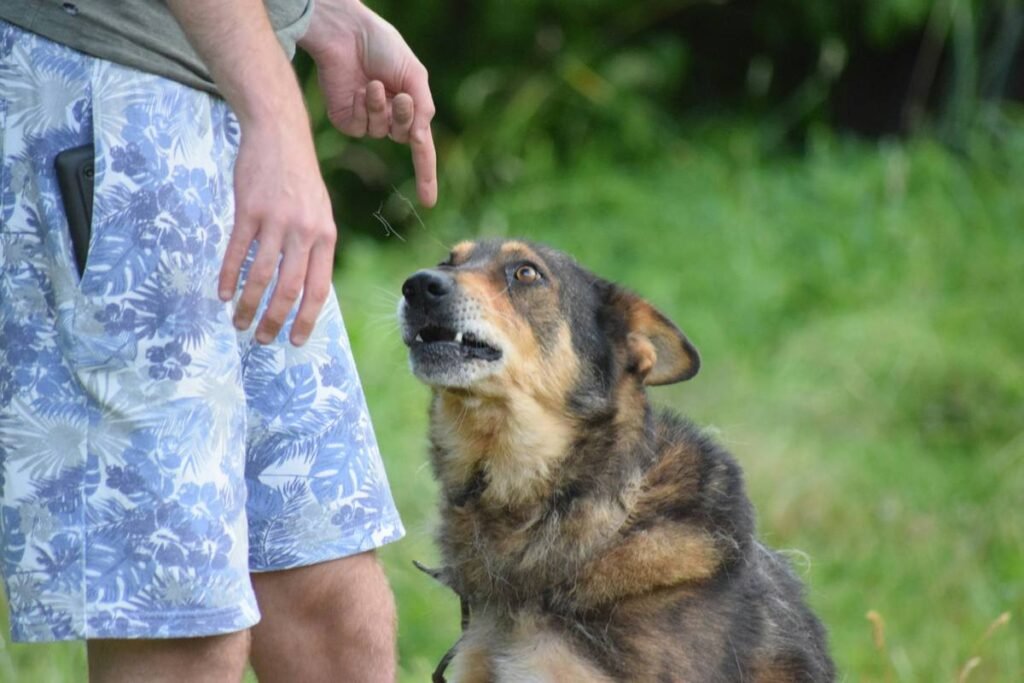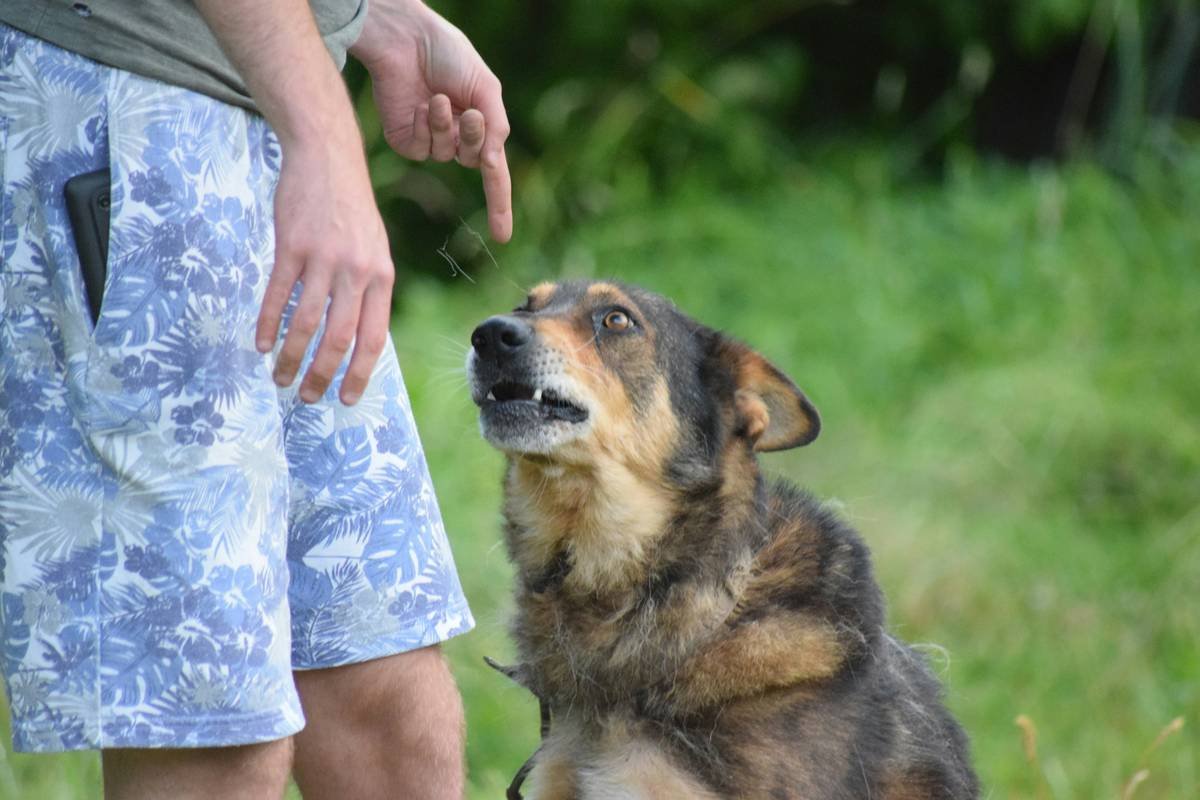
Ever called your dog’s name—again and again—and got nothing but a confused blink? For hearing dogs, that’s frustrating. For deaf dogs? It’s the norm. But here’s the truth: silence isn’t a barrier. It’s just a different language. And with the right deaf dog training hand signals, you can forge a bond deeper than most owners ever experience.
In this guide, you’ll learn exactly how to train your deaf dog using clear, consistent visual cues—backed by science, proven in real life, and vetted by decades of hands-on work with hearing-impaired pets. You’ll discover why timing matters more than volume, which signals actually stick (and which fail spectacularly), and how to avoid the #1 mistake 90% of new deaf-dog parents make.
Table of Contents
- Why Is Deaf Dog Training Different?
- Step-by-Step: Teaching Deaf Dog Hand Signals
- Best Practices for Long-Term Success
- Real-Life Case Study: Luna’s Transformation
- FAQs About Deaf Dog Training Hand Signals
Key Takeaways
- Deaf dogs rely entirely on visual cues—hand signals must be distinct, consistent, and paired with positive reinforcement.
- Start with 5 core commands: Watch, Sit, Down, Come, and Stay. Master these before expanding.
- Use high-value treats and marker words like “Yes!” (paired with a thumbs-up) to mark correct behavior instantly.
- Avoid common pitfalls like turning your back mid-command or using vague gestures (e.g., waving vaguely = “confused human” in doggy eyes).
- Consistency across all family members is non-negotiable—mixed signals create confusion, not compliance.
Why Is Deaf Dog Training Different?
Deafness in dogs isn’t rare—about 5–10% of Dalmatians are born deaf due to genetic links to coat color, and senior dogs often lose hearing gradually. Yet too many owners assume “no hearing = untrainable.” Wrong. Deaf dogs are often *more* attentive because they’ve already learned to read body language out of necessity.
The real challenge? Humans default to verbal commands. We say “sit” without thinking—but your deaf dog sees only lips moving silently. That’s not communication; it’s charades without rules.
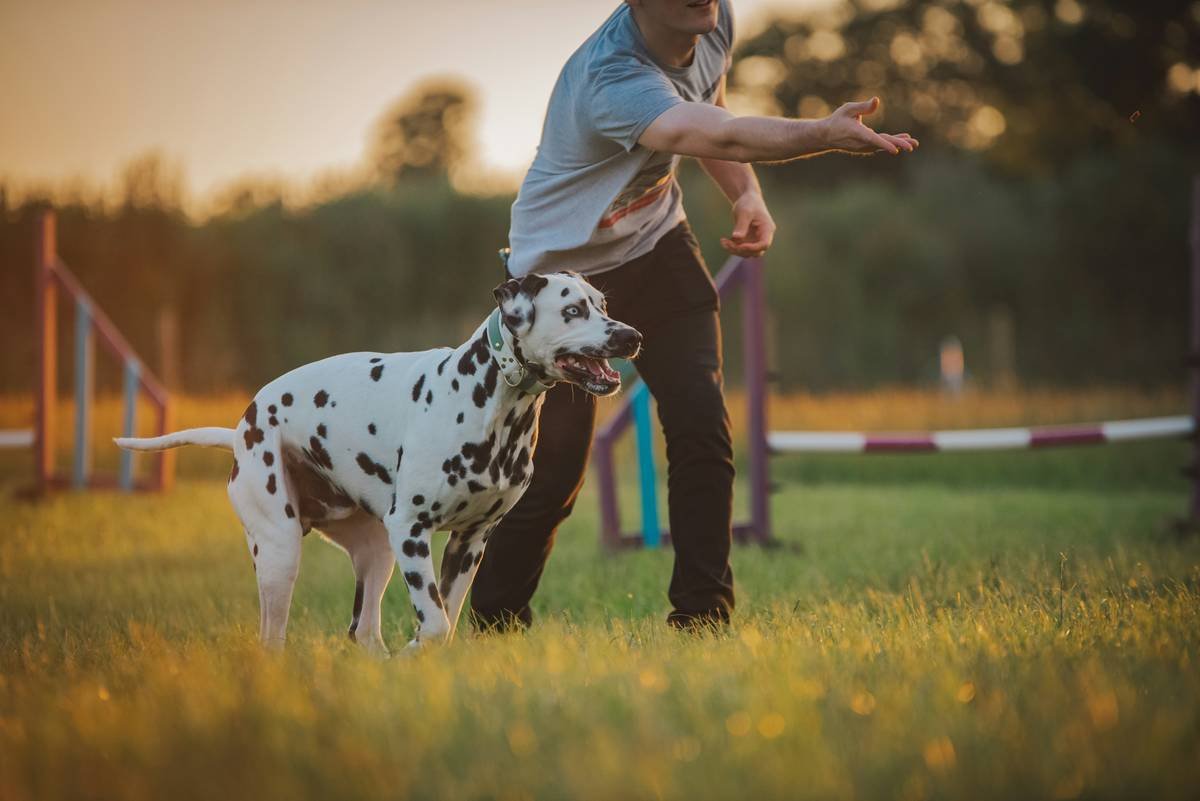
Optimist You: “I’ll just use American Sign Language!”
Grumpy You: “Ugh, fine—but only if you promise not to use ASL signs that look like ‘throw a ball’ or ‘scratch behind ear.’ Dogs don’t care about linguistic purity—they care about clarity.”
Step-by-Step: Teaching Deaf Dog Hand Signals
How do you actually teach a deaf dog hand signals from scratch?
You start where all great dog training begins: attention. Before any command works, your dog must look at you willingly. Here’s how:
Step 1: Build the “Watch Me” Cue
Hold a high-value treat near your eye. When your dog looks, flash a quick “Yes!” (use a hand marker like a thumbs-up). Repeat until eye contact becomes automatic. This is your lifeline—it replaces “Hey, Fido!”
Step 2: Choose Clear, Distinct Signals
Avoid subtle gestures. Your signals should be visible from 10+ feet away and distinguishable even in low light. Use these proven signals (endorsed by the ASPCA):
- Sit: Flat palm moving downward slowly
- Down: Arm sweeping straight down toward floor
- Come: Single finger beckoning toward chest
- Stay: Open palm facing dog, held steady
Step 3: Lure, Mark, Reward
Lure your dog into position (e.g., raise treat over head to lure “sit”), immediately mark with your visual “Yes!” signal, then reward. Keep sessions under 5 minutes—deaf dogs focus intensely but fatigue quickly.
Step 4: Fade the Lure
Once your dog performs the behavior reliably, remove the treat lure. Use only the hand signal. If they hesitate, go back one step—never punish hesitation.
What if my dog ignores the signal?
Check your timing. Did you mark *the exact moment* they sat? Too late = confusion. Also, ensure distractions are minimal early on. Train indoors first, then progress to your yard, then public spaces.
Best Practices for Long-Term Success
How do I make sure these signals stick for life?
- Be consistent—everyone in the house uses the same signal. No “sit” for Mom and a different gesture for Dad.
- Always get attention first. Tap the floor gently, flick a light, or wave in their peripheral vision—then give the command.
- Never sneak up on your deaf dog. They can’t hear you coming, which causes fear. Stomp lightly to create vibrations they feel.
- Use a vibrating collar ONLY for recall—not punishment. Devices like the PetSafe Wireless Vibrating Collar can save lives during off-leash emergencies—but pair it with positive rewards, not corrections.
- Refresh commands weekly. Even fluent dogs forget without practice.
⚠️ Terrible Tip Alert: “Just use flashlight signals at night!” Nope. Sudden bright light can startle or disorient. Use consistent gentle motions—even in dark, dim your phone screen and wave it slowly to get attention.
Rant Time: The “Cute but Useless” Signal Trap
I once saw an owner teaching “roll over” using a full jazz-hands flourish. Looked adorable on Instagram… until the dog froze during a vet visit because the signal was too complex under stress. Keep emergency commands SIMPLE. Life-or-death situations demand split-second clarity—not choreography.
Real-Life Case Study: Luna’s Transformation
Can deaf dog hand signals really work in chaotic real life?
Absolutely. Meet Luna—a 2-year-old deaf Australian Shepherd rescued after being surrendered twice (“too stubborn,” said previous owners). Her new guardian, Mark, followed the steps above:
- Week 1: Mastered “Watch Me” using chicken bits and a thumbs-up marker.
- Week 3: Reliable “Sit” and “Stay” even with kids running nearby.
- Week 6: Recalled from 30 feet during a park distraction using a vibrating collar + hand signal combo.
Result? Luna now competes in agility trials—and places top 3 in her region. Her secret? Mark never treated her as “limited.” He treated her as a visual learner. And she thrived.
Optimist You: “See? Deaf dogs can do anything!”
Grumpy You: “Yeah, yeah—but only if you ditch the verbal crutches and commit to the visual language. Coffee in hand, please.”
FAQs About Deaf Dog Training Hand Signals
Can I use ASL (American Sign Language) for my deaf dog?
You can—but only if the signs are visually distinct and easy for your dog to see. Avoid signs that require two hands or fine finger movements. Simpler is better.
How long does it take to train basic hand signals?
Most dogs learn 1–2 signals per week with daily 5-minute sessions. Full fluency in 5 core commands typically takes 3–6 weeks.
What if my dog is partially deaf?
Same principles apply! Many “hearing” dogs ignore verbal cues anyway. Visual signals create clearer communication regardless of hearing ability.
Do I need special tools?
Nope. Just your hands, high-value treats, and patience. A vibrating collar helps for outdoor safety but isn’t required.
Can older deaf dogs learn hand signals?
Yes! Dogs of any age can learn visual cues. Senior dogs may take longer but often focus better than puppies.
Conclusion
Deaf dog training hand signals aren’t just about obedience—they’re about connection. When you replace sound with sight, you enter your dog’s world on their terms. That builds trust, reduces anxiety, and unlocks potential you never knew existed.
Start small. Be consistent. Celebrate every blink of eye contact. And remember: your silent companion isn’t missing out—they’re speaking a language most humans never bother to learn. Now you are.
Like a Tamagotchi, your deaf dog’s trust needs daily care—feed it with patience, play with consistency, and never let it beep for help unheard.
Haiku for the Road:
Silent paws await—
Your hands speak love without sound.
Watch me, stay, come home.