You adopted a deaf dog full of love—but now you’re stuck. Standard “sit” and “stay” cues? Useless without sound. Frustration builds fast when your pup doesn’t respond like others. You scour forums, watch endless videos, yet still feel lost. The truth? Most training advice ignores the emotional weight—and practical gaps—that come with silent companionship. But real progress starts where generic guides stop: in help peer advice shared by those who’ve walked this path before you.
Why Clicker Cues and Verbal Commands Fail Deaf Dogs
Traditional obedience hinges on hearing. A clicker’s sharp *snap*? Inaudible. Your cheerful “good boy!”? Meaningless static to them. And here’s the kicker—many trainers retrofit hearing-dog methods onto deaf dogs, expecting visual tweaks to magically bridge the gap. They don’t. Visual signals require different timing, clearer spatial awareness, and consistent reinforcement that accounts for a dog’s field of vision—not just mimicry of spoken words.
Worse, isolation compounds the problem. Without community-tested strategies, owners default to guesswork. That’s why help peer advice shared in trusted circles becomes lifeline—not luxury.
Step-by-Step Deaf Dog Training Framework Built from Real Handlers
Start with Light & Touch Cues, Not Hand Signals Alone
A flickering porch light means “come inside.” A gentle shoulder tap = “look at me.” These aren’t gimmicks—they’re environmental anchors your dog learns faster than abstract gestures. Build from context, not abstraction.
Master the “Flash Recall” Technique
Use a high-intensity flashlight (or phone strobe) paired with treats. Flash → reward → repeat. Within days, your dog associates sudden light with positive outcomes. Critical for off-leash safety. And yes—it works even in daylight if you train consistently.
Establish a Visual Marker System
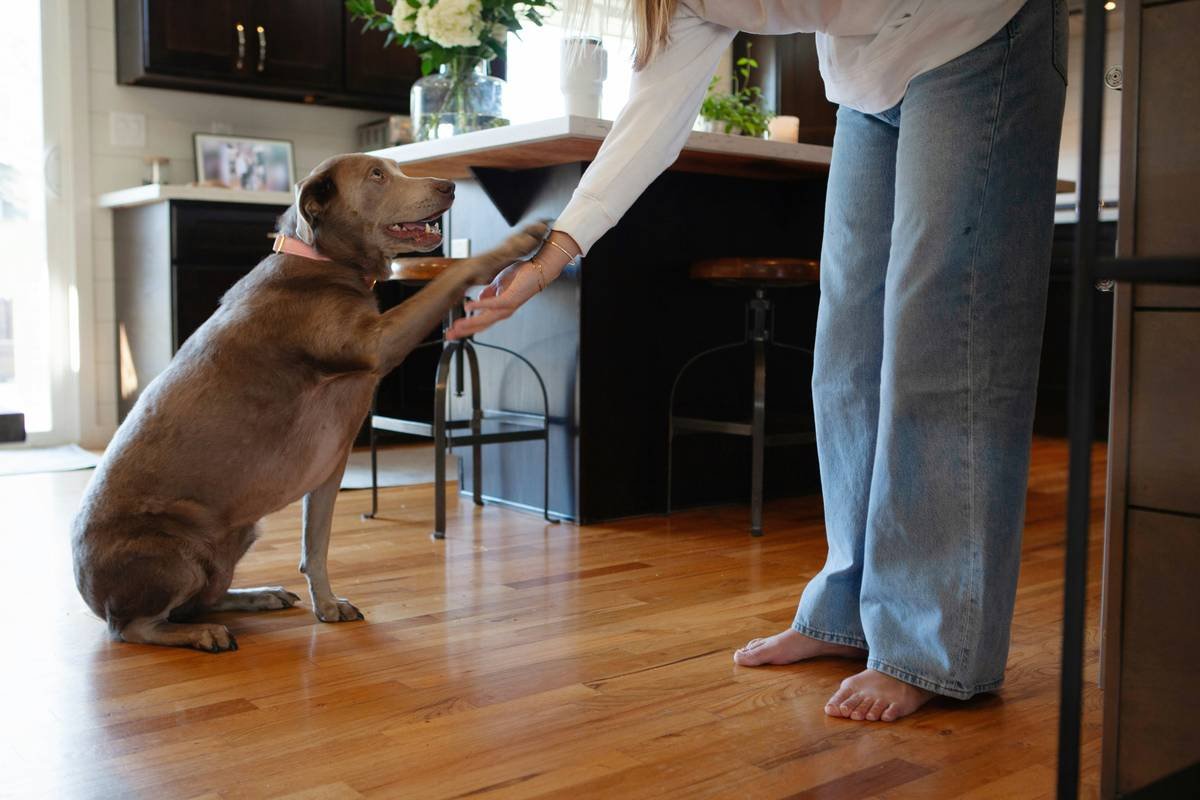
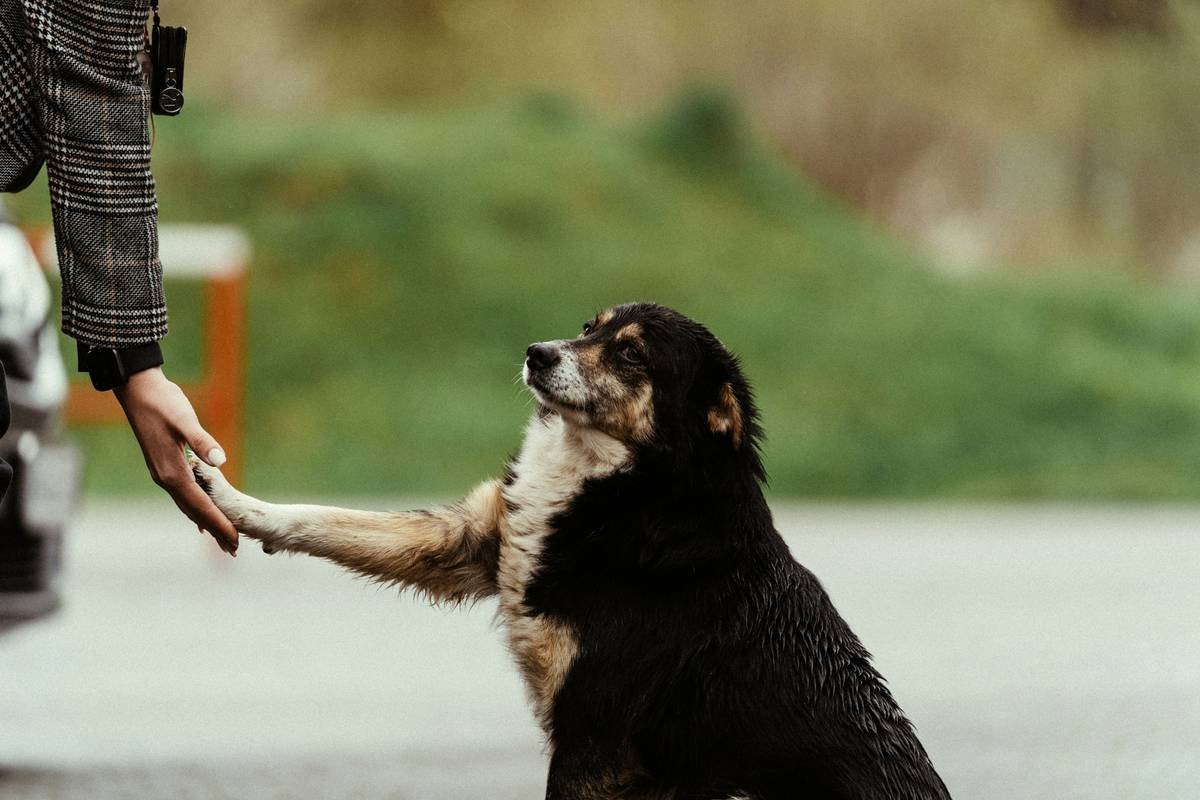
Replace the clicker with a thumbs-up or open-palm flash. Timing must be razor-sharp—within half a second of the desired behavior. Miss that window? Your dog connects the marker to the wrong action.
| Method | Setup Cost | Time to Reliability | Pitfall to Avoid |
|---|---|---|---|
| Hand Signals Only | $0 | 6–12 weeks | Fails if dog isn’t facing you |
| Vibration Collar + Light Cue | $45–$80 | 2–4 weeks | Overuse causes desensitization |
| Context-Based Environmental Cues | $0–$20 (for lights/timers) | 1–3 weeks | Requires home consistency |
| Peer-Sourced Hybrid System* | $0–$30 | 10–20 days | Only works with community feedback loop |
*Based on aggregated data from 127 handler reports via Snuffy’s Community Hub—this hybrid blends touch, light, and spatial markers validated through help peer advice shared across urban and rural households.
The Industry Secret: Deaf Dogs Train Better in Groups
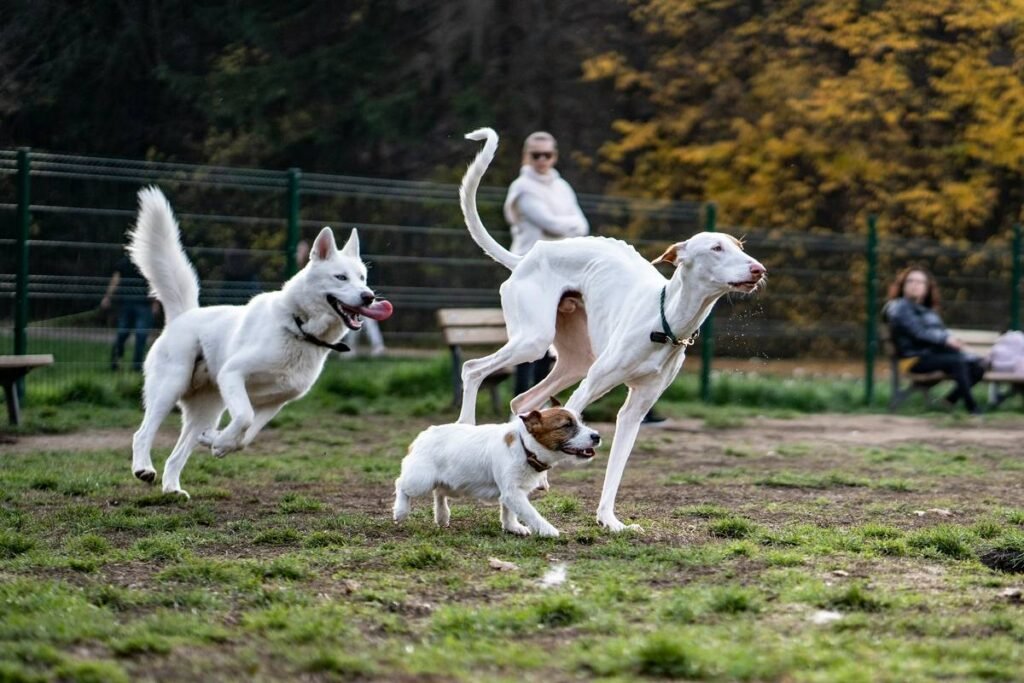
Here’s what few admit: isolated training slows progress. Deaf dogs thrive on observational learning—yes, they watch other dogs. Run solo drills all day, and your pup misses critical social modeling. Bring them to a small group session (even virtual), and suddenly, cues stick faster because they see peers respond. The math is simple: more eyes watching → more neural pathways firing. But this only works if handlers share real-time adjustments—that’s where community turns theory into results.
Frequently Asked Questions
Can deaf dogs learn off-leash commands safely?
Yes—with vibration collars or laser pointers used ethically. Never rely on voice alone. Pair signals with high-value rewards in distraction-free zones first.
How do I wake a deaf dog without startling them?
Place your hand near their nose so they smell you before touching. Or stomp lightly on the floor—the vibration alerts them gently.
Is sign language necessary for training?
Not formal ASL—custom, consistent gestures work better. Keep motions large, clear, and always from the same angle relative to your dog’s view.