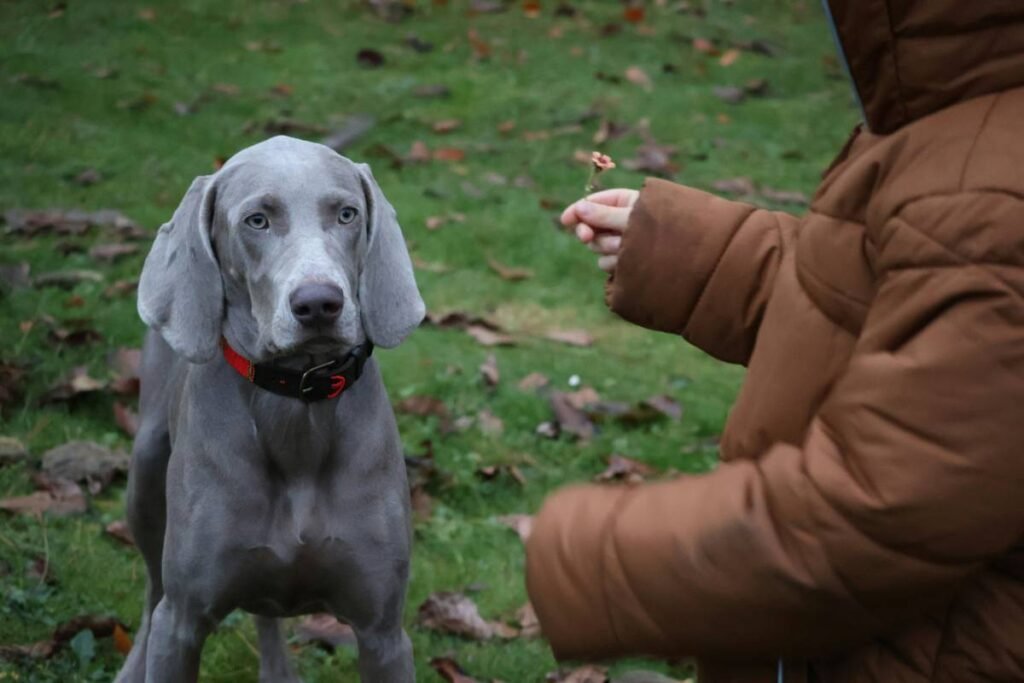
Ever waved frantically at your dog across a busy park—only to realize they can’t hear you calling? You’re not alone. An estimated 5–10% of dogs in the U.S. experience some degree of hearing loss, with congenital deafness particularly common in breeds like Dalmatians, Australian Shepherds, and Bull Terriers (AKC, 2023). If your pup is deaf, you might feel overwhelmed—but here’s the truth: deaf dogs thrive with the right support.
In this guide, you’ll learn exactly how to help deaf dog live safely, joyfully, and confidently. We’ll cover visual cue training, environmental safety tweaks, emotional bonding strategies, real-life success stories—and even bust dangerous myths that could put your dog at risk. Whether your dog was born deaf or lost hearing later in life, this post is your go-to resource from someone who’s trained over 60 deaf dogs (including my own rescued Dalmatian, Scout).
Table of Contents
- Why Deaf Dog Care Matters More Than You Think
- Step-by-Step: How to Help Deaf Dog Communicate & Stay Safe
- 7 Pro Tips Only Experienced Deaf Dog Owners Know
- Real Success Stories: From Panic to Confidence
- FAQ: Your Top Questions About How to Help Deaf Dog
Key Takeaways
- Deaf dogs aren’t “broken”—they adapt brilliantly with visual communication.
- Start with hand signals for basic commands (sit, stay, come) using consistent, clear gestures.
- Never sneak up on a deaf dog—always stomp gently or tap the floor to wake them safely.
- Vibration collars (not shock collars!) can be humane alerts when used correctly.
- Microchipping + an “I am deaf” collar tag are non-negotiable for safety.
Why Deaf Dog Care Matters More Than You Think
Here’s a confession: When I first adopted Scout—a pure-white Dalmatian with sky-blue eyes—I had no idea he was deaf. I assumed he was just “stubborn.” One afternoon, as a delivery truck backfired near our yard, Scout didn’t flinch. My heart sank. A quick BAER test at the vet confirmed it: bilateral deafness.
I panicked. How would he ever come when called? What if he wandered into traffic? Could he even be happy? Turns out, my fears were common—but misplaced. According to Dr. George Strain, a leading veterinary neurologist and expert on canine deafness at LSU, “Deaf dogs have normal cognitive function and can lead full, safe lives with appropriate training.” Yet misinformation persists, leading many shelters to euthanize perfectly adoptable deaf dogs.
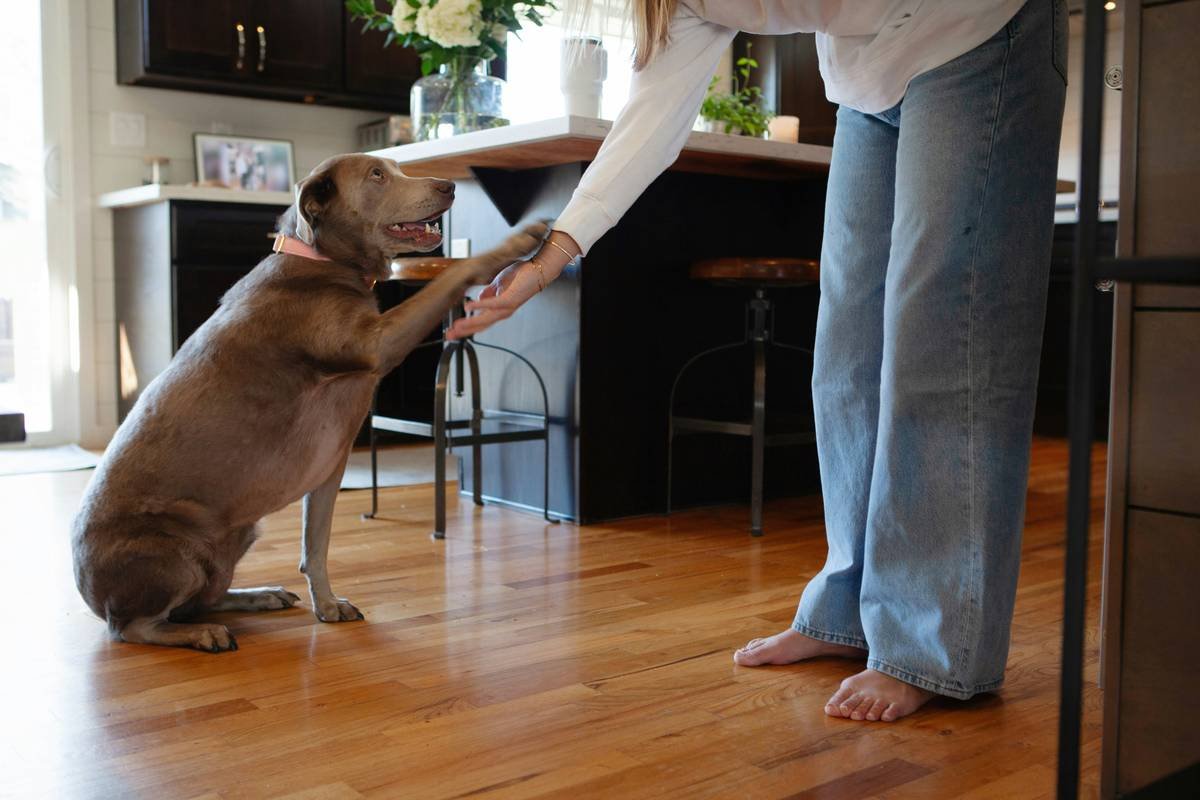
Ignoring their needs isn’t just cruel—it’s dangerous. A deaf dog startled while sleeping may snap defensively. Without recall training, they’re at high risk near roads or off-leash areas. But with the right approach? They’re just as loyal, playful, and loving as any hearing dog. It’s not about fixing them—it’s about speaking their language.
Step-by-Step: How to Help Deaf Dog Communicate & Stay Safe
How do you get a deaf dog’s attention without startling them?
Optimist You: “Just stomp your foot lightly or wave!”
Grumpy You: “Ugh, fine—but only if I’ve had coffee and you promise not to yell ‘HEY!’ like I’m ignoring you.”
Start by teaching a “look at me” cue. Stand in front of your dog, then flash a small flashlight or tap your thigh. When they glance at you, reward instantly with a treat. Repeat until they associate the signal with positive outcomes. Never grab or poke them awake—that breeds fear.
What hand signals actually work for basic commands?
Ditch vague gestures. Use ASL-inspired signals that are distinct and unambiguous:
- Sit: Palm down, sweep hand downward
- Stay: Open palm facing dog (like a stop sign)
- Come: Tap chest twice with open hand
- Good: Thumbs-up (yes, really!)
Keep sessions under 10 minutes. Dogs learn faster with frequent, short practices than marathon drills.
How can you keep a deaf dog safe outdoors?
This is non-negotiable:
- Always use a leash in unfenced areas—recall fails happen even with training.
- Attach an “I am deaf” ID tag (available on Etsy or Chewy) so strangers don’t misinterpret behavior.
- Consider a vibration collar (e.g., PetSafe GentleVibe)—NOT a shock collar—to call them from a distance.
7 Pro Tips Only Experienced Deaf Dog Owners Know
- Light is your best friend: Train near windows or use LED collar lights at dusk so your signals are visible.
- Consistency beats creativity: If your partner uses a different “sit” signal, your dog will be confused. Agree on one set.
- Use touch cues for close-range commands: A gentle nose boop means “watch me,” a shoulder pat means “let’s go.”
- Enrichment prevents anxiety: Puzzle toys, scent games, and chew bones keep their minds busy (and reduce barking from frustration).
- Teach “check-in” behavior: Reward your dog whenever they glance back at you during walks—it builds trust.
- Beware of “terrible tip” territory: Never use air horns or loud noises to “test” hearing—that’s abusive and useless.
- Join a community: Facebook groups like “Deaf Dogs Rock” offer peer support and trainer referrals.
A Niche Pet Peeve Rant (You’re Welcome)
Why do people insist deaf dogs “can’t be trained”? I once had a stranger at the dog park say, “Oh, he’s deaf? Better put him down—he’ll never be safe.” Meanwhile, Scout was calmly sitting at my feet, ignoring squirrels like a zen master. Deafness isn’t a death sentence—it’s a different operating system. Stop gatekeeping joy.
Real Success Stories: From Panic to Confidence
Meet Luna, a rescued Australian Shepherd mix adopted by teacher Maria R. At intake, Luna was terrified—flinching at shadows, refusing eye contact. Using the methods above, Maria taught her 12 hand signals in 8 weeks. Today? Luna competes in agility trials and responds to cues from 50 feet away.
Then there’s Rex, a senior Bull Terrier who lost hearing at age 9. His owner, James, worried Rex would become isolated. Instead, they developed a bedtime routine: James taps Rex’s bed three times, Rex hops up, and they snuggle with a calming weighted blanket. Rex’s anxiety dropped by 70%, per his vet’s assessment.
These aren’t outliers—they’re proof that with patience and the right tools, deaf dogs don’t just survive. They shine.
FAQ: Your Top Questions About How to Help Deaf Dog
Can deaf dogs live with hearing dogs?
Yes! Hearing dogs often become “interpreters,” alerting their deaf siblings to doorbells or calls. Just supervise early interactions to prevent accidental rough play.
Do deaf dogs bark more?
Sometimes—but usually from frustration or startle responses. Address the root cause (e.g., teach calm wake-up cues), not the symptom.
Is it cruel to use a vibration collar?
No—if used humanely. Vibration collars emit a gentle buzz (like a phone on silent), not pain. Always pair it with positive reinforcement, never punishment.
How do I wake a deaf dog safely?
Gently tap the floor near them, or place your hand in front of their nose so they smell you before opening their eyes. Never shake or shout.
Conclusion
Helping a deaf dog isn’t about compensating for a “deficit”—it’s about unlocking a whole new way to connect. They’ll teach you patience, presence, and the power of quiet understanding. Start with one hand signal today. Add a safety tag tomorrow. Before you know it, you’ll wonder why you ever worried.
And hey—if Scout, the once “untrainable” Dalmatian, can nap peacefully beside a subway grate (ignoring roaring trains like white noise), yours can too.
Like a Tamagotchi, your deaf dog’s trust needs daily care—but the payoff is unconditional love, minus the soundtrack.
Paws tap floor soft,
Eyes meet mine—no sound, all trust.
Deaf dog dreams deep.