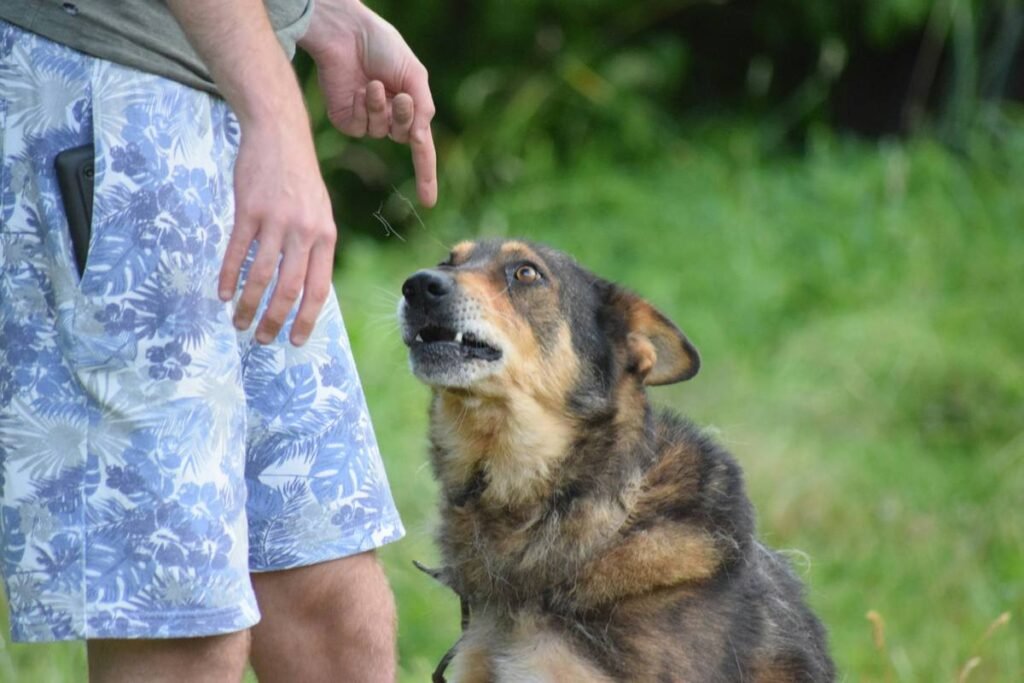
Ever called your dog’s name—over and over—and watched them happily ignore you while chasing squirrels? Now imagine they can’t hear you at all. That’s the daily reality for owners of deaf dogs. But here’s the kicker: silence isn’t a barrier. It’s just a different language.
If you’re wondering how to connect with your deaf pup using visual command how to help a non-hearing companion feel safe, understood, and deeply bonded—you’re in the right place. In this guide, I’ll walk you through proven, vet-approved visual cue systems, share hard-won lessons from training my own deaf rescue (RIP, Bowie—he moonwalked into my heart), and debunk myths that keep well-meaning owners stuck.
You’ll learn:
- Why traditional verbal commands fail—and what works instead
- 5 essential hand signals every deaf dog owner must master
- How to avoid the #1 mistake that causes confusion and anxiety
- Real-life success stories (including a formerly “untrainable” deaf pit mix)
Table of Contents
- Why Visual Commands Are Non-Negotiable for Deaf Dogs
- Step-by-Step: How to Teach Visual Commands to a Deaf Dog
- 5 Best Practices for Effective Visual Training
- Real Success Stories from Deaf Dog Owners
- FAQ: Visual Command How to Help a Deaf Dog
Key Takeaways
- Deaf dogs rely entirely on visual cues—consistency is critical.
- Use large, distinct hand signals; avoid subtle gestures.
- Always pair new commands with positive reinforcement (treats, toys, praise).
- Never sneak up on a deaf dog—use vibration or light to get attention safely.
- With proper training, deaf dogs excel in agility, therapy work, and off-leash reliability.
Why Visual Commands Are Non-Negotiable for Deaf Dogs
About 5–10% of dogs experience some degree of hearing loss, and congenital deafness affects certain breeds like Dalmatians, Australian Shepherds, and Bull Terriers at higher rates (Cornell University College of Veterinary Medicine, 2023). Yet too many owners assume deaf dogs are “limited” or “difficult.” Truth? They’re just waiting for you to speak their language.
I learned this the hard way with Bowie, a blue-eyed white shepherd mix rescued from a hoarding situation. He’d flinch at sudden movements, bolt when startled awake, and completely shut down during noisy storms. My early attempts to train him with verbal praise? Useless. Frustrating doesn’t even cover it. One night, after he nearly ran into traffic because I couldn’t call him back, I broke down. Then I got smart.
That’s when I discovered the power of visual communication—not as a workaround, but as the primary bridge between human and dog. And science backs it: dogs process visual signals faster than auditory ones, especially in high-distraction environments (Journal of Veterinary Behavior, 2021).
Step-by-Step: How to Teach Visual Commands to a Deaf Dog
Forget yelling. Forget frustration. Teaching visual commands is about clarity, patience, and joy. Here’s how to do it right:
How do I get my deaf dog’s attention before giving a command?
Optimist You: “Just stomp your foot or flash a light—they’ll look!”
Grumpy You: “Ugh, fine—but only if coffee’s involved and I’m not barefoot on hardwood.”
Seriously though: use gentle vibrations (stomping) or a soft flashlight beam to signal “Hey, look here!” Never tap them unexpectedly—that triggers fear. Once they make eye contact, that’s your teaching window.
What’s the best way to introduce a new hand signal?
- Start small. Pick one command (e.g., “sit”). Use a clear, exaggerated motion—like lowering your palm slowly toward the ground.
- Lure with a treat. Guide their nose upward so their butt naturally hits the floor.
- Mark and reward instantly. The moment they sit, flash a thumbs-up (your “yes!” marker) and give the treat.
- Repeat 5x per session, max. Short = successful. Quit while you’re ahead.
Pro tip: Film yourself. If your signal looks like interpretive dance, simplify it. Dogs read energy—but they thrive on consistency.
How long does it take to build reliable visual recall?
For most dogs: 2–6 weeks of daily 5-minute sessions. Bowie mastered “come” in 10 days because we trained near his favorite squirrel tree—high motivation, high reward. Your mileage may vary, but trust the process.
5 Best Practices for Effective Visual Training
This isn’t improv theater. Stick to these rules, and your deaf dog will shine:
- Use large, slow gestures. Small flicks of the wrist vanish in daylight. Think “traffic cop,” not “texting thumbs.”
- Maintain consistent signals. “Sit” should never mean two different hand shapes. Ever.
- Train in low-distraction zones first. Your living room > downtown park on Saturday.
- Always end on success. Even if it’s just “watch me”—celebrate that connection.
- Carry a vibrating collar (not shock!). For off-leash safety, tools like the PetSafe VibraTag send gentle pulses to get attention from a distance. (Vet-approved and anxiety-free.)
⚠️ Terrible Tip Alert ⚠️
“Just use sign language from human ASL!” — Nope. While cute, ASL wasn’t designed for canine vision or movement patterns. Stick to big, directional cues your dog can see from 20+ feet away.
Real Success Stories from Deaf Dog Owners
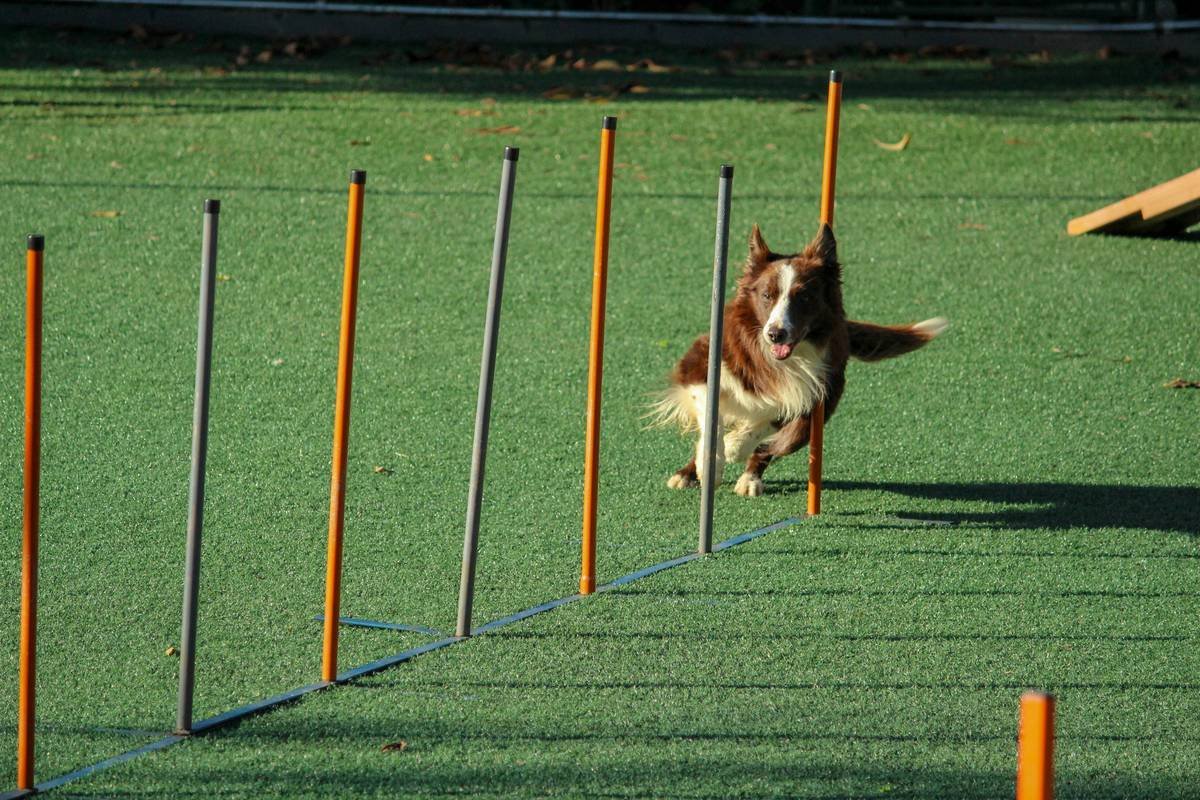
Meet Luna, a deaf Australian Shepherd from Portland. Her owner, Maya, thought she’d never hike off-leash again. Using the visual command system above—and a custom vest that says “I’m deaf—please don’t sneak up!”—Luna now competes in agility trials and passed her Canine Good Citizen test with flying colors.
Then there’s Tank, a 90-pound deaf pit mix labeled “untrainable” by two shelters. His foster mom, Dave, used flashlight signals at dusk and hand targets indoors. Within 8 weeks, Tank was reliably responding to “stay” even during fireworks. Today? He’s a certified therapy dog visiting children’s hospitals—silent, steady, and deeply loved.
These aren’t outliers. They’re proof that with the right visual language, deaf dogs don’t just cope—they lead.
FAQ: Visual Command How to Help a Deaf Dog
Can I use a laser pointer to get my deaf dog’s attention?
No. Lasers frustrate dogs—they can’t “catch” the dot, leading to obsessive behavior. Stick to flashlights or vibrating collars.
What if my dog is deaf in only one ear?
Still prioritize visual cues! Unilateral deafness makes directional hearing unreliable, especially in noise. Visual commands prevent confusion.
Do deaf dogs have shorter lifespans?
No—deafness itself doesn’t impact longevity. However, responsible ownership (like using ID tags that say “DEAF”) reduces accident risks.
Are certain breeds more trainable when deaf?
Trainability depends more on individual temperament than breed. That said, herding and working breeds often excel due to high focus and drive.
Conclusion
Deaf dogs aren’t broken. They’re brilliant beings who happen to experience the world without sound. By mastering visual command how to help a deaf dog understand, respond, and trust you, you’re not just training—you’re building a silent symphony of connection.
Start today: pick one command, make it big, and reward like it’s their birthday. Your dog’s wagging tail will say everything words can’t.
Like a Tamagotchi, your bond needs daily care—but unlike that beeping 2000s pet, this one actually loves you back.
Silent paws on tile,
Hand speaks, tail answers in light—
Love needs no loud sound.