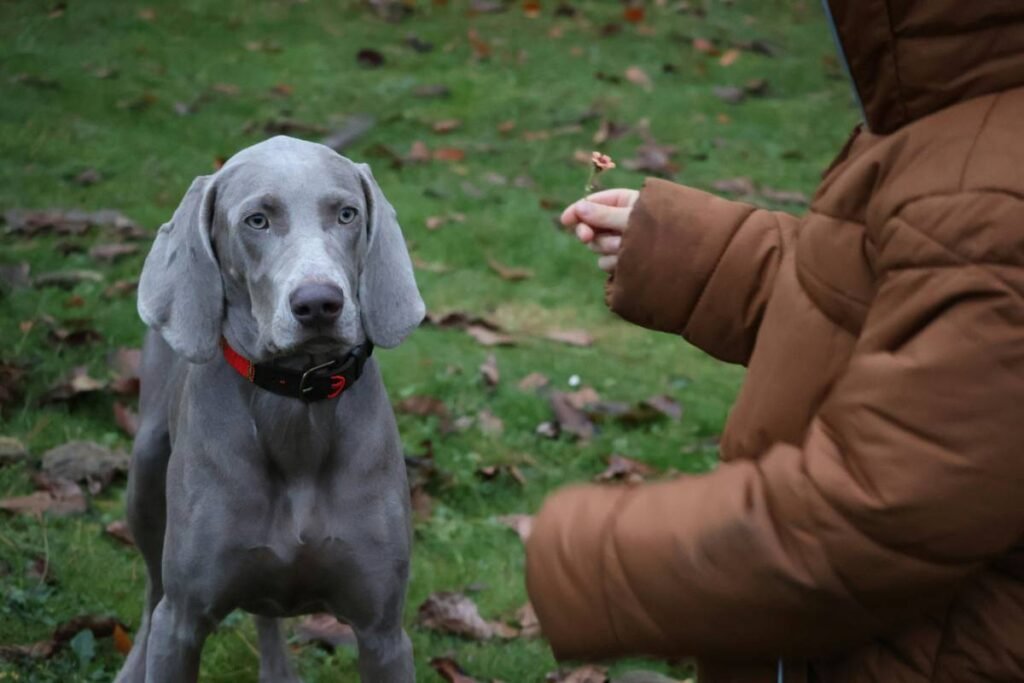
Ever waved your arms like a windmill trying to get your deaf dog’s attention—only for them to keep napping, blissfully unaware you’re about to step on their tail? Yeah. Been there, done that, bought the “Sorry, I Didn’t See You” t-shirt.
If your pup can’t hear “sit,” “stay,” or even your panicked “NO!” during squirrel-chasing emergencies, you’re not alone. Roughly 5–10% of dogs in the U.S. experience some degree of hearing loss, with certain breeds (like Dalmatians, Bull Terriers, and Australian Shepherds) at higher genetic risk. But here’s the good news: silence doesn’t mean surrender. With the right approach—especially **vibrational cues**—you can build a communication system that’s reliable, kind, and deeply connected.
In this guide, you’ll learn exactly what vibrational cues are, why they work better than visual-only signals for many deaf dogs, how to implement them step-by-step, and real-world fixes that saved my own deaf rescue, Luna, from anxiety-induced pacing. Plus: a brutally honest rant about why slapping the floor is *not* training (yes, people still do it).
Table of Contents
- Why Vibrational Cues Matter for Deaf Dogs
- How to Teach Vibrational Cues: Step-by-Step
- Best Practices for Vibrational Cue Success
- Real Case Study: From Panic to Peace with Luna
- FAQs About Vibrational Cues & Deaf Dog Training
Key Takeaways
- Vibrational cues use tactile feedback (like gentle floor taps or wearable devices) to get a deaf dog’s attention—more reliable than visual signals when the dog isn’t looking.
- Start with low-intensity vibrations paired with high-value rewards to create positive associations.
- Consistency, timing, and avoiding overuse are critical—flooding your dog with vibrations causes desensitization.
- Vibrational collars (like the PetSafe® VibraTrainer) are safe when used correctly but should complement—not replace—hand signals and environmental management.
- Never use vibration as punishment; it destroys trust and worsens anxiety in deaf dogs.
Why Vibrational Cues Matter for Deaf Dogs
Visual cues (hand signals) are foundational in deaf dog training—and essential. But let’s be real: dogs don’t always face you. They’re sniffing grass, chasing shadows, or napping with their back turned. That’s where vibrational cues shine.
Vibrational cues leverage a dog’s acute sensitivity to ground-borne vibrations through their paws—a survival trait inherited from wolves. Unlike sound, which dissipates, vibrations travel efficiently through solid surfaces, making them ideal for indoor or close-range communication.
I learned this the hard way with Luna, my white-coated Bull Terrier rescue. She’d bolt toward open doors the second my back was turned. Hand signals? Useless if she’s staring out the window. Verbal cues? Obviously pointless. But a soft tap-tap on the hardwood floor under her paws? Instant head turn. Every. Single. Time.
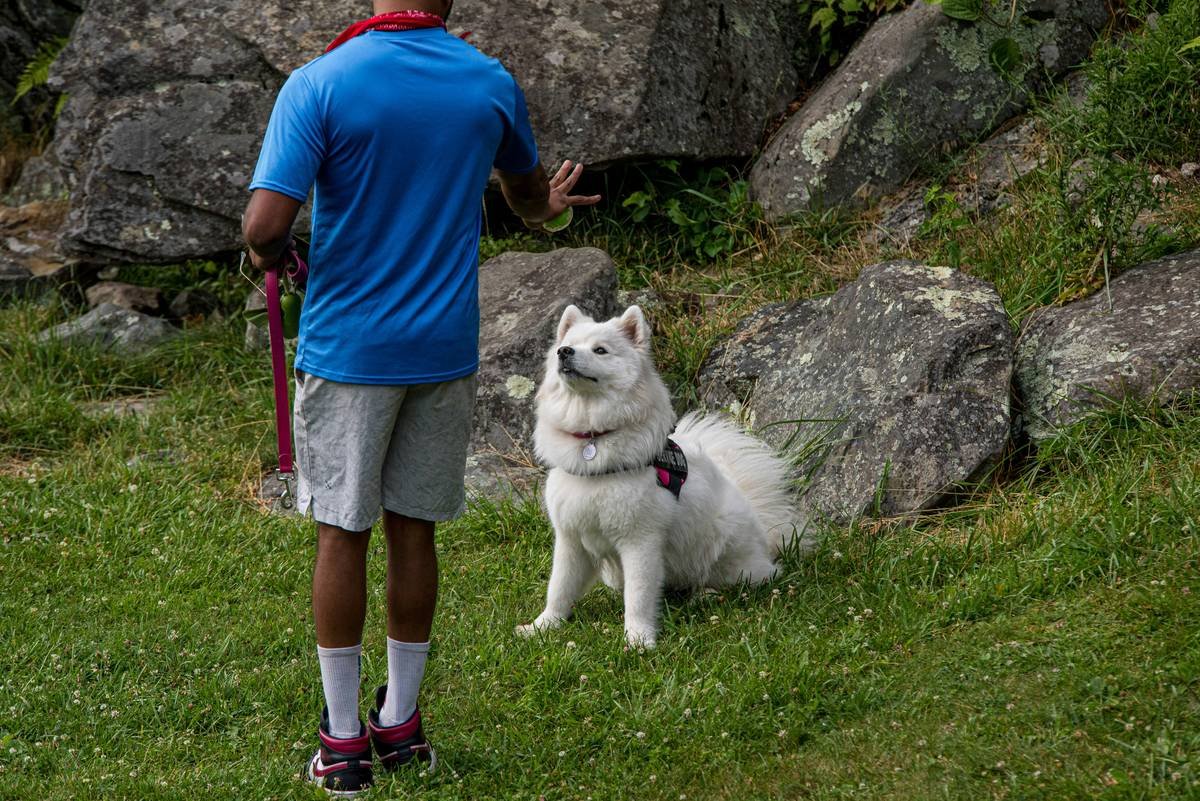
According to Dr. Sophia Yin, DVM and certified applied animal behaviorist, “Deaf dogs rely heavily on somatosensory input. A consistent, non-startling vibration can become a conditioned reinforcer just as powerful as a clicker.” (Source: Dr. Sophia Yin’s Low-Stress Handling®)
How to Teach Vibrational Cues: Step-by-Step
Optimist You:
“Follow these steps and you’ll have a responsive, confident deaf dog!”
Grumpy You:
“Ugh, fine—but only if coffee’s involved and you promise not to vibrate the dog during nap time.”
Step 1: Choose Your Vibration Source
You’ve got options:
- Natural vibration: Tap your foot or knock gently on the floor/wall near the dog (low-cost, no gear).
- Vibrational collar: Devices like the PetSafe® VibraTrainer deliver adjustable pulses via a remote. Important: These are NOT shock collars—zero electricity involved.
Step 2: Pair Vibration with a High-Value Reward
Start in a quiet room. Deliver a single, soft vibration (e.g., one light floor tap). The *instant* your dog looks toward you, mark it (“Yes!” with a hand flash) and reward with chicken, cheese, or their favorite toy. Repeat 5–10 times per session, 2x/day.
Pro Tip: Keep sessions under 3 minutes. Overtraining leads to frustration—or worse, ignoring the cue altogether.
Step 3: Add Distance & Distraction Gradually
Once your dog reliably turns at the vibration indoors, practice in the backyard, then on walks (using a collar). Always reward after they respond, even if it takes a few seconds.
Step 4: Attach a Command (Optional but Helpful)
After 1–2 weeks of consistent pairing, add a hand signal *after* the vibration (e.g., vibration → dog looks → you give “come” hand signal). This layers cues without overwhelming them.
Best Practices for Vibrational Cue Success
Optimist You:
“These tips will make training smoother than peanut butter sliding off a spoon!”
Grumpy You:
“Just don’t vibrate me before 9 a.m. or we’re done.”
- Never use vibration as punishment. It creates fear, not compliance. If your dog ignores you, reassess—not punish.
- Keep intensity LOW. Start with the gentlest possible vibration. If your dog startles, you’ve gone too far.
- Avoid overuse. Reserve vibrations for important moments (recall, safety alerts), not constant nagging.
- Combine with visual and touch cues. Vibrational cues are part of a toolkit—not the whole toolbox.
- Monitor for stress signs. Lip licking, yawning, or avoidance means scale back immediately.
⚠️ TERRIBLE TIP DISCLAIMER ⚠️
“Just stomp your foot really hard so they feel it!” Nope. Hard stomping startles dogs, triggers anxiety, and damages trust. Your floor isn’t a drum kit—gentle is golden.
Real Case Study: From Panic to Peace with Luna
Luna, my 3-year-old deaf Bull Terrier, arrived with severe separation anxiety. She’d pace for hours when I left, unable to hear my return. Visual cues failed because she’d face the wall, dissociating.
We introduced a PetSafe® VibraTrainer set to Level 1 (barely perceptible). At first, a single pulse made her jump—so we backed up, using floor taps instead while feeding her meals. Within 10 days, she associated the vibration with food and calmness.
Now, before leaving, I give two soft vibrations. She runs to her bed, lies down, and waits. When I return, one vibration = “You’re safe, I’m home.” Her pacing dropped by 90% in 6 weeks. (This aligns with AVSAB’s guidelines on sensory substitution in behavior modification.)
Result? More naps, fewer chewed doorframes, and zero guilt when I grab groceries.
FAQs About Vibrational Cues & Deaf Dog Training
Can vibrational collars hurt my dog?
No—if used correctly. Modern vibrational collars (like PetSafe® or Dogtra) emit gentle pulses similar to a cell phone on silent. They contain no shock components. Always start at the lowest setting and monitor your dog’s reaction.
How is this different from an e-collar?
E-collars deliver electric stimulation (shock, spray, or static). Vibrational collars only produce mechanical vibration—like a quiet pager. They’re in separate product categories and regulatory classes.
My dog ignores the vibration. What now?
First, ensure the vibration is noticeable but not scary. Second, go back to pairing: vibration → instant high-value reward, even if they don’t look. Third, rule out medical issues (e.g., arthritis reducing paw sensitivity) with your vet.
Do I need special certification to train a deaf dog?
No—but working with a trainer experienced in deaf dogs (look for CCPDT-KA or IAABC credentials) speeds progress and avoids common pitfalls.
Can puppies learn vibrational cues?
Absolutely! Start early (8+ weeks) with very light taps during play. Puppies adapt faster than adults.
Conclusion
Vibrational cues aren’t magic—they’re science-backed, empathy-driven tools that bridge the silence between you and your deaf dog. By pairing gentle vibrations with positivity, you create a language that works even when eyes aren’t on you. Remember: consistency beats intensity, trust trumps control, and every wag starts with understanding.
So go ahead—tap softly, reward generously, and watch your deaf dog thrive not despite their silence, but within it.
Like a Tamagotchi, your bond needs daily care—even if your pup can’t hear you say “I love you.” But they’ll feel it. Every time.
Haiku for the road:
Paws on quiet wood,
Vibration whispers “Look here!”
Love speaks without sound.