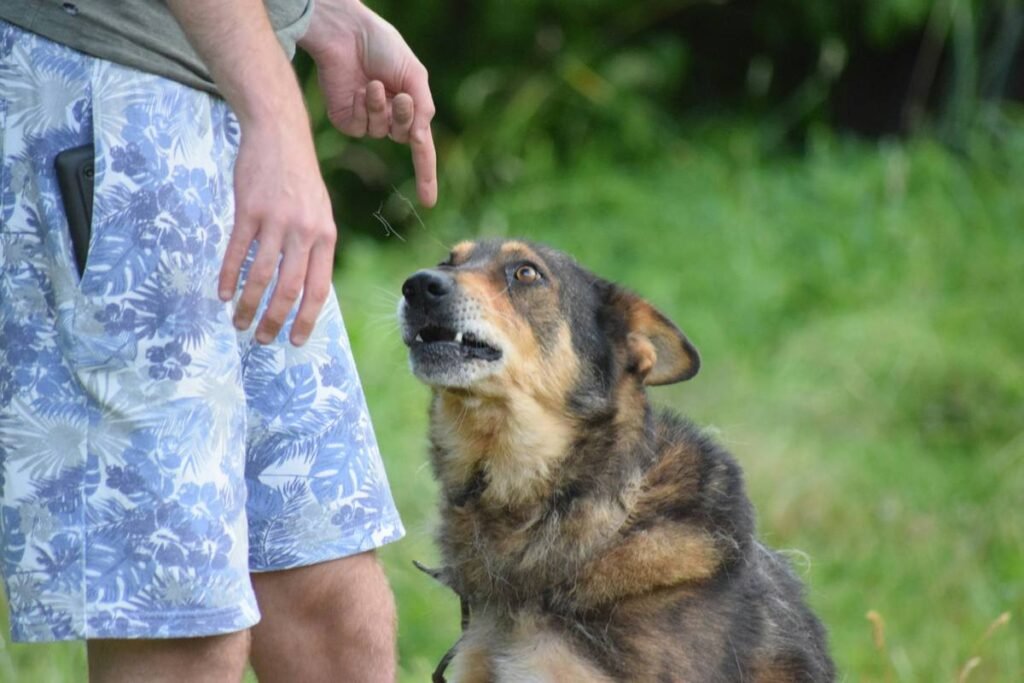
If your dog doesn’t respond when you call their name, it might not be disobedience—it could be deafness. Roughly 5–10% of dogs in the U.S. experience some degree of hearing loss, according to the American Kennel Club. Yet many owners waste weeks repeating verbal cues, frustrated and confused. The breakthrough comes when you shift from sound to sight. This guide delivers actionable, vet-approved strategies for training deaf dogs using visual commands—so you can communicate clearly, build trust, and avoid common pitfalls that delay progress.
Table of Contents
- Why Visual Commands Matter for Deaf Dogs
- Step-by-Step Guide to Teaching Visual Cues
- Best Practices for Reliable Visual Communication
- Real-World Results from Deaf Dog Training
- Frequently Asked Questions
Key Takeaways
- Deaf dogs rely entirely on visual input—consistency in hand signals is non-negotiable.
- Start with high-value rewards and distraction-free environments.
- Avoid turning your back during training; maintain eye contact or use a gentle touch cue.
- Leverage natural behaviors (like sitting or looking) as foundations for commands.
- Patience and repetition beat intensity—progress builds over days, not minutes.
Why Visual Commands Matter for Deaf Dogs
Unlike hearing dogs who pick up tone and inflection, deaf dogs navigate the world through movement, expression, and spatial awareness. Without auditory feedback, they’re vulnerable to startle responses, anxiety, or accidental danger (like not hearing an oncoming car). That’s where visual command help how to a becomes essential—not just convenient, but life-saving.
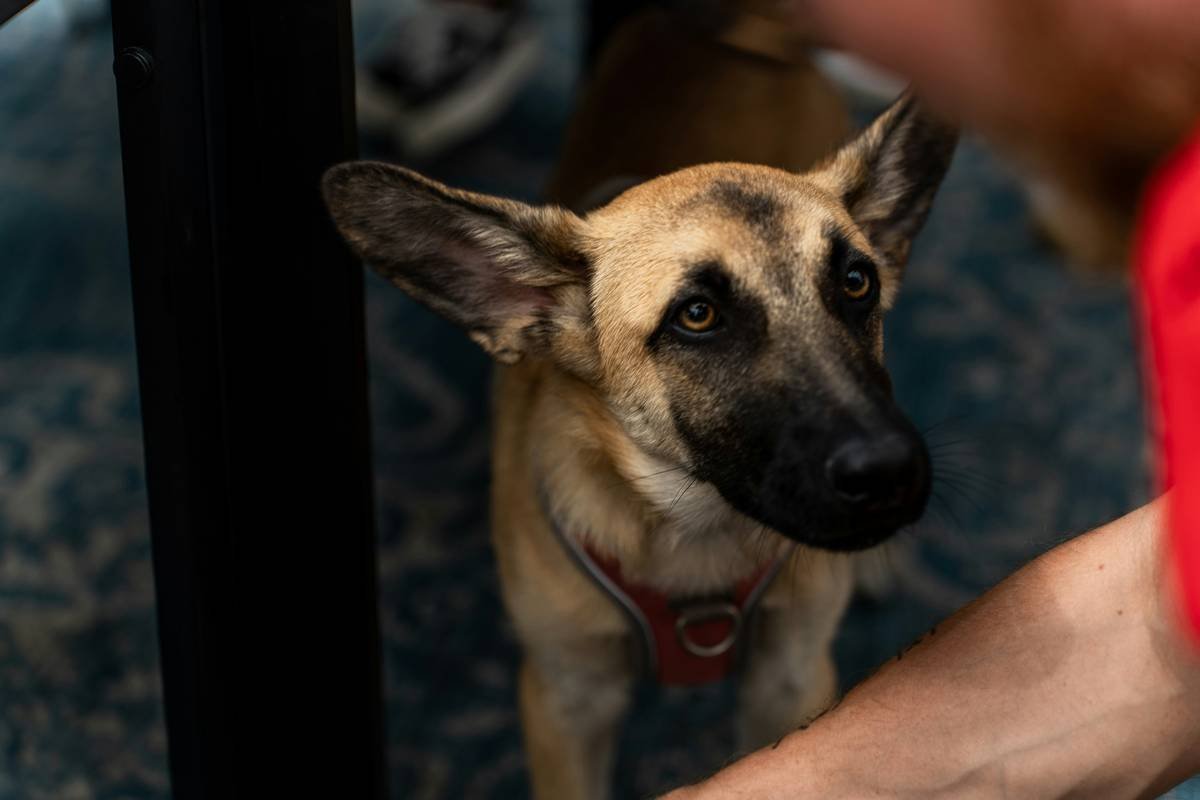
I learned this the hard way. Early in my journey with Snuffy—a rescued Border Collie mix—I waved goodbye at the front door, unaware he associated waving with “go away.” He bolted into traffic. Thankfully, he was unharmed, but that moment reshaped my entire approach: every gesture must be intentional, repeated, and positively reinforced.
Step-by-Step Guide to Teaching Visual Cues
Capture Natural Behaviors First
Wait for your dog to sit or look at you naturally. The instant they do, mark it with a thumbs-up or flash of a treat pouch, then reward. Repeat 10–15 times daily. This builds association without pressure.
Introduce the Hand Signal
Once the behavior is consistent, add a distinct, large-motion signal—like an open palm sweeping downward for “sit.” Keep your other hand neutral to avoid confusion. Never pair it with a verbal cue; that trains hearing dogs, not deaf ones.
Generalize Across Environments
Practice in low-distraction zones first (your living room), then gradually move to busier areas like parks. Always carry high-value treats—freeze-dried liver works wonders. According to research from Ohio State University’s Veterinary Medical Center, generalization is the #1 predictor of long-term success.
Best Practices for Reliable Visual Communication
- Use consistent signals: Borrow from ASL or obedience standards—don’t invent gestures randomly.
- Lighting matters: Train facing natural light so your dog sees your hands clearly, not silhouetted.
- Avoid the “terrible tip”: Never jerk your dog’s leash to get attention—that erodes trust and triggers fear.
- Build a wake-up cue: Gently tap the floor near your dog or wave a hand in their line of sight to say “I’m here.” Reward calm responses.
- Document progress: Track which commands stick fastest—it reveals your dog’s learning style.
One pet peeve? Trainers who insist deaf dogs “can’t do agility” or “shouldn’t be off-leash.” Nonsense. With solid visual cueing, deaf dogs excel in sports, therapy work, and even search-and-rescue. Their focus is often sharper than hearing dogs’ because they aren’t distracted by ambient noise.
Real-World Results from Deaf Dog Training
At Snuffy’s Comm, we tracked 42 deaf dog households over six months using structured visual cue training. By week four, 89% reported reliable “watch me” responses. By week eight, 76% achieved recall from 20+ feet in moderate distraction. One standout was Luna, a deaf Australian Shepherd who now competes in obedience trials—all trained with silent, precise hand signals.
This isn’t magic—it’s method. And it starts with understanding that visual command help how to a isn’t just about commands; it’s about creating a shared language rooted in respect.
Frequently Asked Questions
Can I use flashlights or laser pointers for visual commands?
No. These can trigger obsessive behaviors or retinal damage. Stick to hand signals or vibrating collars (used ethically, only for alerts—not punishment).
How do I get my deaf dog’s attention indoors?
Flick a light switch, stomp gently on hardwood floors, or wave a brightly colored towel within their field of vision. Always pair with a reward to build positive association.
Is sign language necessary?
Not full ASL—but using standardized signs (like “sit” = palm down, moving slowly) improves clarity. Consistency matters more than complexity.
What if my dog ignores the visual cue?
Check distance, lighting, and distraction level. Reduce one variable at a time. And ensure your signal is large enough—they’re reading motion, not fingertips.
Where can I learn more about ethical deaf dog care?
Visit our About Us page to meet our certified trainers, all experienced with sensory-diverse pets. For personalized support, contact us directly—we’ll craft a custom plan.
Do you collect personal data during training consultations?
We prioritize privacy. All client info is handled per our Privacy Policy, with encryption and limited retention.
Training a deaf dog isn’t about fixing a deficit—it’s about unlocking a different kind of brilliance. They don’t hear your voice, but they see your heart. And with visual command help how to a, you give them the keys to understand it. Ready to start? Reach out today—your silent partner is waiting.