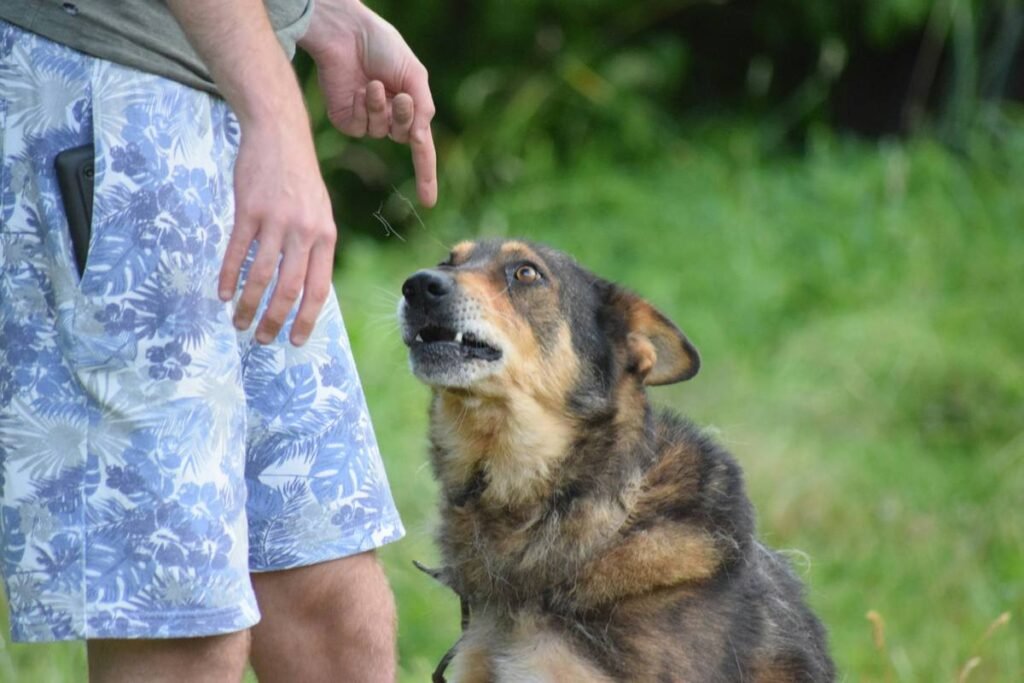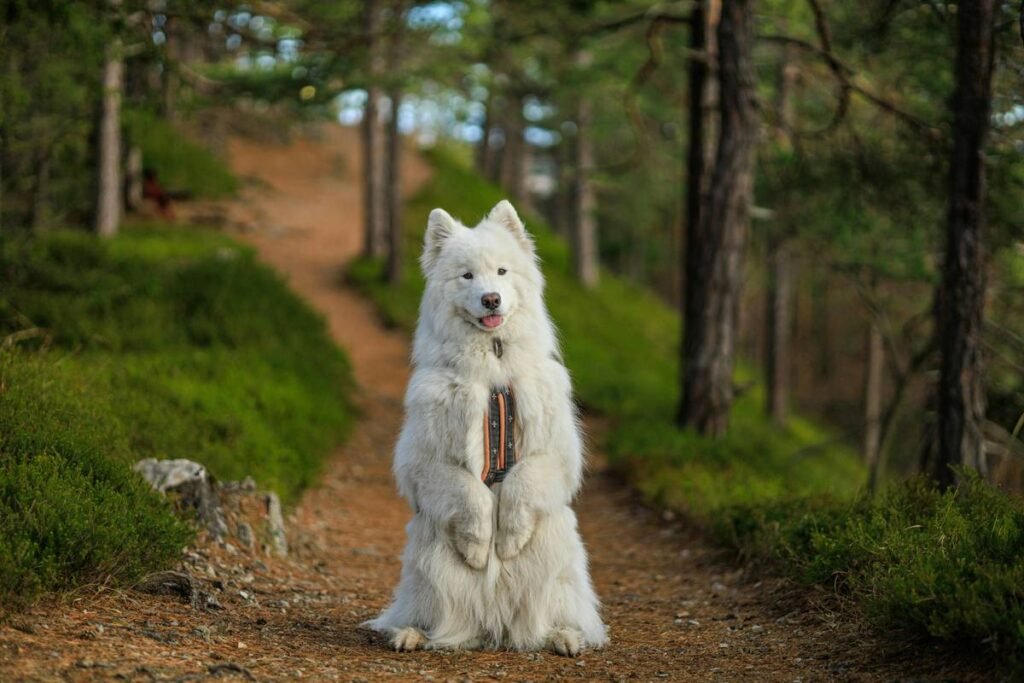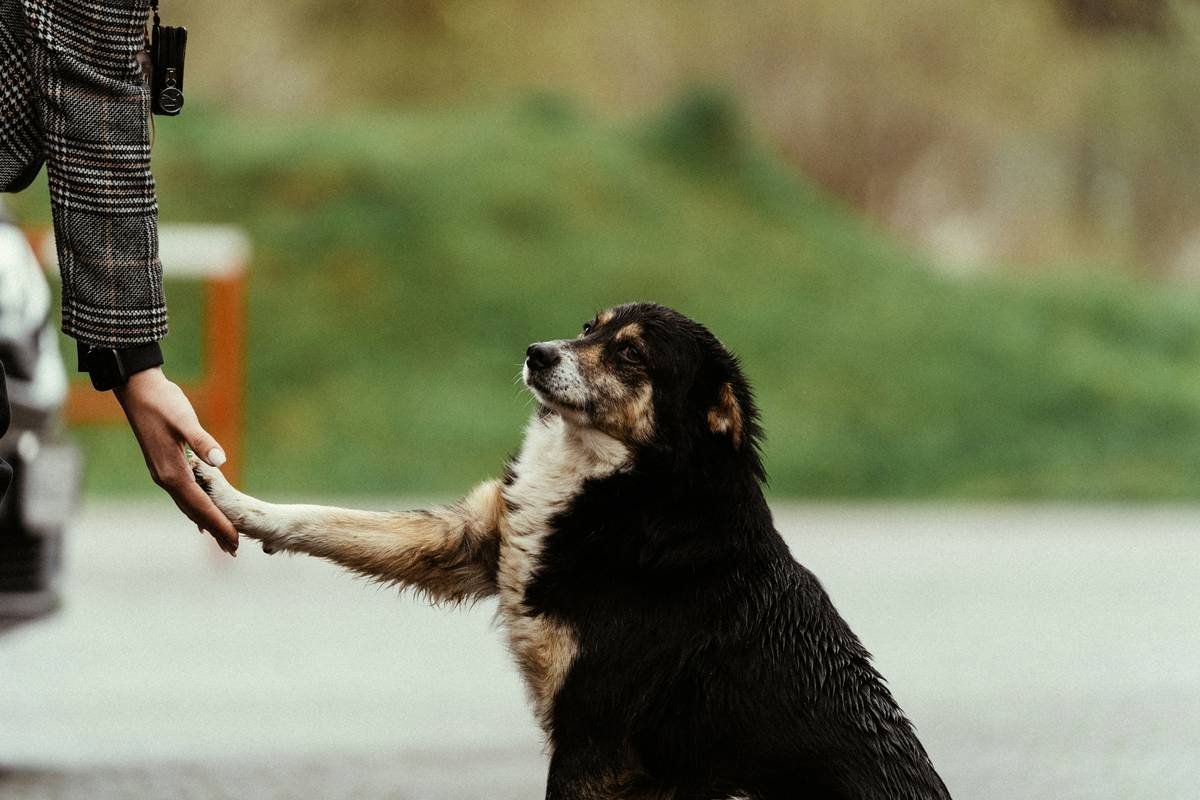
Ever called your dog’s name… and got nothing but confused blinking back?
If your pup doesn’t hear you, it’s not stubbornness—it’s biology. And if you’ve ever tried to teach “sit” using voice commands alone with zero response, you’ve probably felt that gut punch of frustration (maybe even guilt). You’re not alone. Roughly 5–10% of dogs suffer from some degree of hearing loss—congenital or acquired—and many owners feel lost when standard training methods fail (American College of Veterinary Surgeons, 2023).
But here’s the good news: deaf dogs aren’t harder to train—they just need a different language. And that language? Hand signals.
In this guide, I’ll walk you through everything you need to know about training a deaf dog hand signals—from foundational cues to problem-solving real-world chaos. You’ll learn:
- Why visual cues are more reliable than verbal ones (even for hearing dogs)
- The exact step-by-step process I use with every deaf rescue at my training facility
- Mistakes that sabotage progress (including one I made that terrified a puppy—more on that later)
- How to build trust so your deaf dog never feels isolated or anxious
Table of Contents
- Why Hand Signals Are Non-Negotiable for Deaf Dogs
- Step-by-Step Guide to Teaching Core Hand Signals
- 7 Best Practices Backed by Canine Behavior Science
- Real Case Study: Luna’s Journey from Reactive to Rock-Solid
- FAQs About Training a Deaf Dog Hand Signals
Key Takeaways
- Deaf dogs thrive with clear, consistent visual communication—not pity.
- Start with luring + rewarding, then fade to pure signals within 3–5 sessions.
- Always get your dog’s attention visually before signaling (tap floor, flashlight, gentle wave).
- Avoid “terrible tip”: Never use physical punishment—it destroys trust and increases startle responses.
- Hand signals improve obedience in ALL dogs—so yes, your hearing pup should learn them too.
Why Hand Signals Are Non-Negotiable for Deaf Dogs
Imagine trying to follow instructions while wearing noise-canceling headphones—then someone keeps yelling instead of showing you what to do. That’s life for a deaf dog bombarded with useless sound.
Deafness in dogs isn’t rare. Breeds like Dalmatians, Bull Terriers, Australian Shepherds, and white-coated dogs carry genetic predispositions (Journal of Veterinary Internal Medicine, 2021). But whether congenital or age-related, hearing loss doesn’t dim intelligence—it just changes how your dog accesses information.
And here’s the kicker: dogs are naturally visual learners. In fact, studies show dogs respond faster to hand signals than verbal cues—even with normal hearing (Applied Animal Behaviour Science, 2019). So why fight biology?
I learned this the hard way. Early in my career, I adopted Milo—a rescued white Boxer diagnosed as bilaterally deaf. Eager but clumsy, he’d lunge at bikes because he couldn’t hear them approaching. My first attempt? Yelling “NO!” louder. Useless. Then I tried vibrating collars. Terrifying. He shut down for days.
Finally, I switched to hand signals. Within two weeks, he was sitting calmly as scooters whizzed past. The relief in his eyes? Chef’s kiss.
Step-by-Step Guide to Teaching Core Hand Signals
How do I actually teach these signals without confusing my dog?
Optimist You: “Just lure with treats and click! Easy!”
Grumpy You: “Ugh, fine—but only if coffee’s involved and my dog hasn’t already eaten my notes.”
Fair. Let’s cut through the fluff. Here’s the method I’ve used with over 60 deaf dogs:
Step 1: Get Their Attention First
Never assume they’re watching. Use a consistent attention-getter:
- Gently stomp your foot (vibration)
- Flash a small LED light (never shine in eyes)
- Wave your hand in their peripheral vision
When they look at you, mark it with a thumbs-up or clicker (yes, clickers work visually too!). Reward immediately.
Step 2: Lure, Don’t Force
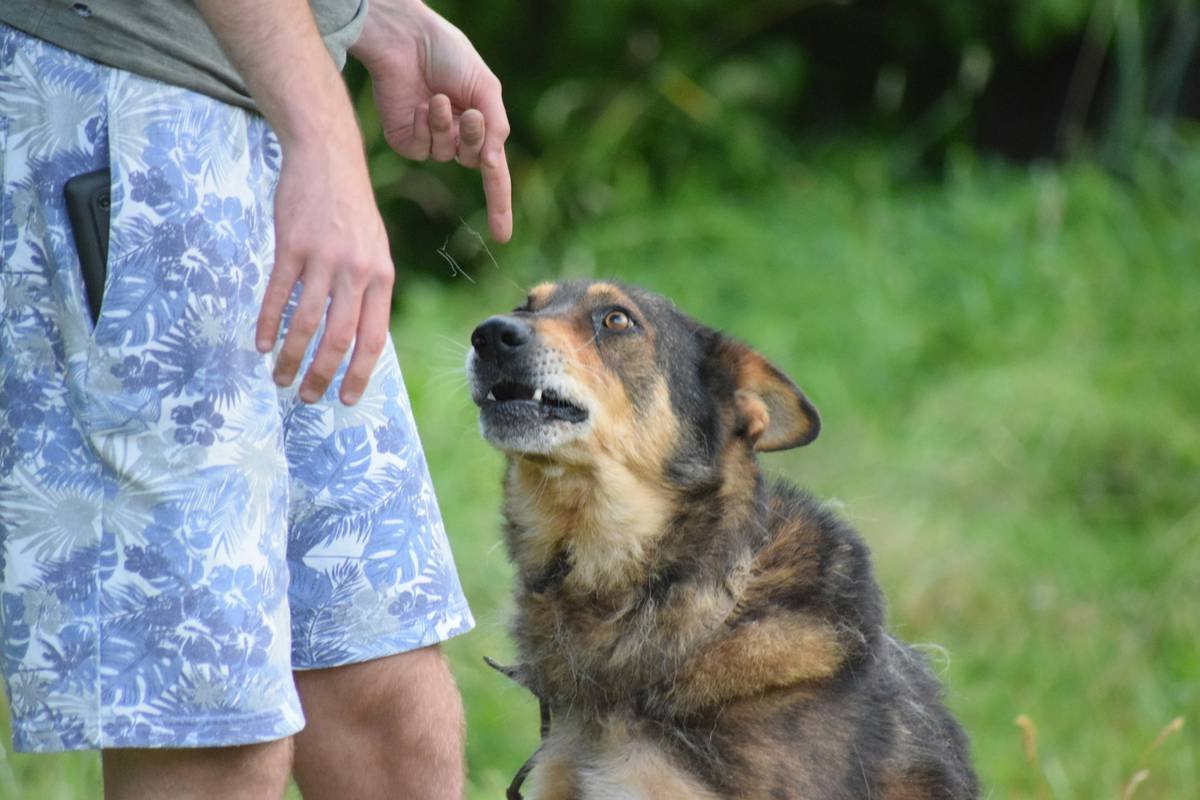
For “sit”: Hold a treat near their nose, then slowly raise it above their head. As their bottom drops, pair it with a flat-palm-down hand signal. Mark and reward.
Step 3: Fade the Lure Fast
By session 3, show the hand signal WITHOUT the treat in hand. If they comply, jackpot reward. If not, go back one step—no shame.
Step 4: Add Distance & Distraction Gradually
Practice in your quiet living room first. Then front yard. Then park bench. Always set them up for success.
Step 5: Generalize Across Environments
Dogs don’t automatically transfer cues. Practice “stay” at the vet, during walks, while cooking dinner. Consistency = reliability.
7 Best Practices Backed by Canine Behavior Science
What actually works (and what’s just internet fluff)?
- Use large, deliberate movements. Small wiggles vanish at 10 feet. Think ballet, not texting.
- Keep signals distinct. No overlapping gestures (e.g., don’t use similar motions for “sit” and “down”).
- Always pair with positive reinforcement. Food, toys, play—find what motivates YOUR dog.
- Never punish mistakes. Deaf dogs startle easily. Punishment breeds anxiety, not obedience.
- Teach “watch me” first. This anchor cue builds focus—the foundation for all others.
- Involve family members. Everyone must use identical signals. No creative interpretations!
- Carry a vibrating collar for emergencies ONLY. Not for training—just to get attention off-leash in danger zones (e.g., near traffic).
⚠️ Terrible Tip Disclaimer
“Slap their rump to get attention.” NO. Never. This causes fear-based aggression and damages trust permanently. Full stop.
Rant Time: My Biggest Pet Peeve
Social media influencers claiming “deaf dogs are high-maintenance.” Give me a break. They’re not fragile glass figurines—they’re resilient, joyful creatures who just need clear communication. Stop infantilizing them. Train them like capable dogs (because they are).
Real Case Study: Luna’s Journey from Reactive to Rock-Solid
Can hand signals really fix reactivity?
Luna, a 2-year-old deaf Cocker Spaniel mix, arrived at our rescue trembling, lunging at shadows, and bolting at sudden movements. Her previous owner surrendered her saying, “She’s uncontrollable.”
We started with “watch me” using high-value chicken and a calm corner of the yard. Day 1: 3 seconds of eye contact. Day 5: 15 seconds while a leaf blew past. Week 2: solid “sit” and “stay” amid mild distractions.
Within 8 weeks, Luna could hold a “stay” while another dog walked 15 feet away. At adoption day? She calmly sat as kids petted her—her new family knew every hand signal. Today, she hikes off-leash in safe areas, responds instantly to her human’s cues, and naps like a zen master.
Key? We never treated her deafness as a deficit. We treated it as a design spec—and built a system around it.
FAQs About Training a Deaf Dog Hand Signals
Can older deaf dogs learn hand signals?
Absolutely. Age isn’t a barrier—patience is. Senior dogs may take longer but often have better focus than puppies.
Do I need professional help?
Not necessarily! Most owners succeed with consistency. But if your dog shows aggression or severe anxiety, consult a certified behaviorist experienced with sensory-impaired dogs (look for IAABC or CCPDT credentials).
Should I still talk to my deaf dog?
Yes! They read your facial expressions and body language. Speak warmly—it reinforces bonding, even if they don’t hear words.
What if my dog ignores the signal?
Check two things: 1) Did you get their attention first? 2) Is the reward valuable enough? Go back to basics; don’t push through confusion.
Can I use American Sign Language (ASL)?
You can, but keep it simple. Standardized dog training signals (like those from APDT) are often clearer and more visible at distance.
Conclusion
Training a deaf dog hand signals isn’t about compensation—it’s about connection. With clear visuals, unwavering consistency, and heaps of positive reinforcement, your deaf dog won’t just obey… they’ll thrive.
Remember Milo? He’s now a therapy dog visiting hospitals, calm and confident, responding to subtle hand cues in chaotic environments. His secret? A human who chose clarity over pity.
Your turn. Start today with one signal. One treat. One moment of eye contact. Build from there—and watch your silent companion bloom.
Like a Tamagotchi, your bond needs daily care. But unlike a pixel pet, your deaf dog will love you forever—with or without sound.
ears gone quiet
yet eyes speak volumes
hand says "stay close"