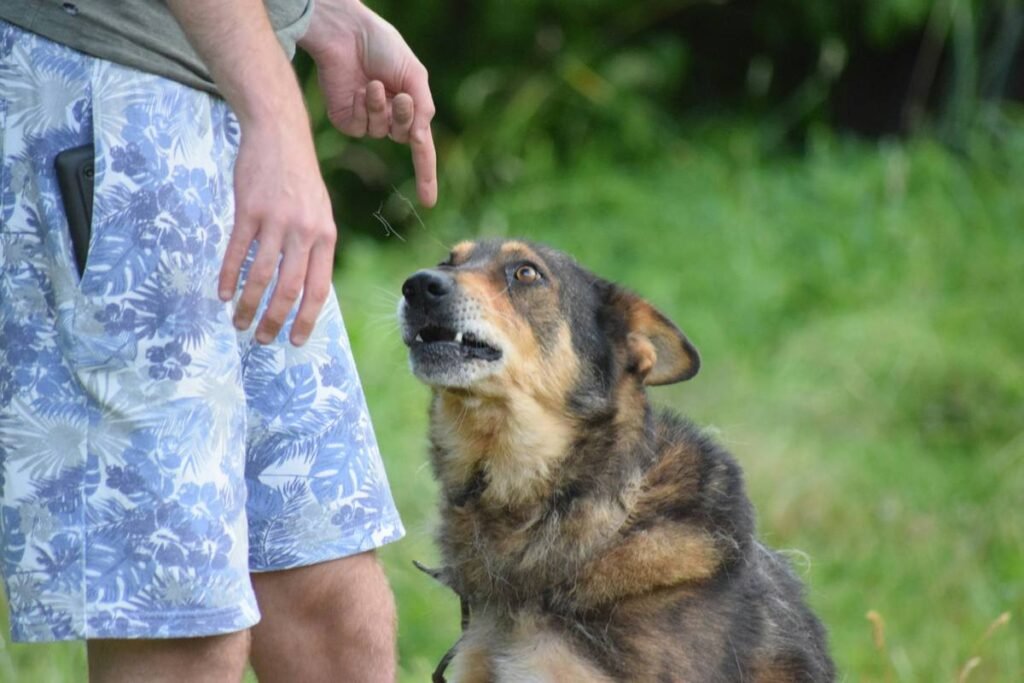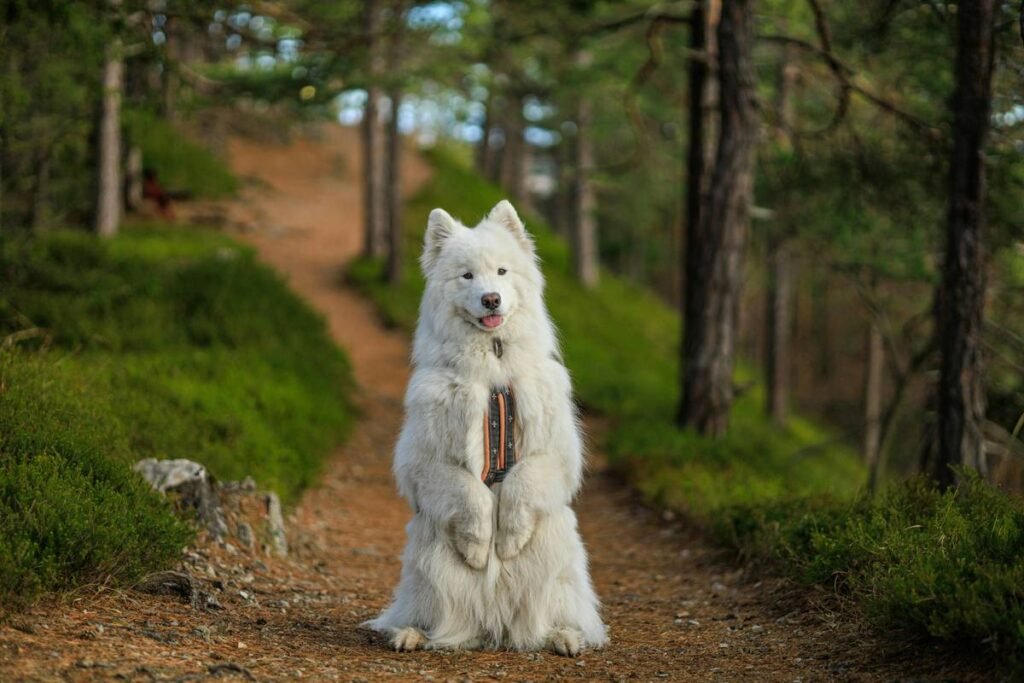
Your deaf dog isn’t ignoring you—they’re just waiting for a language you haven’t taught yet. Standard verbal cues fail in silence. Frustration builds. Trust erodes. But what if you could build a richer, more precise communication channel than barking ever allowed? Hand signals dog everything—commands, corrections, even affection—through intentional visual cues that stick faster and last longer.
Why “Just Use Treats” Doesn’t Cut It for Deaf Dogs
Most owners start with treats and basic gestures. Fine—for day one. But by week two, chaos creeps in. Your “sit” looks like your “stay.” Your dog guesses. You repeat. Cue breakdown.
Verbal trainers have it easy—tone, pitch, volume add nuance. Deaf dogs? They rely purely on sight. And if your signals lack consistency, clarity, or contrast, you’re not training—you’re improvising.
Worse: many adopters assume hand signals are “just ASL” or random pointing. Nope. Effective visual commands require deliberate design—shape, motion, repetition zone, and context all matter. Get this wrong, and your dog tunes out. Not from defiance—from confusion.
hand signals dog everything: A Step-by-Step Visual Command Blueprint
Forget mimicry. Build a system. Here’s how top trainers structure visual cues that actually work:
Start With High-Contrast, Single-Plane Movements
Dogs process motion better than static shapes. Open palm up = “sit.” Flat palm forward = “stay.” Keep movements in one plane—horizontal or vertical—not diagonal swirls. Clarity beats creativity every time.
Anchor Signals to Consistent Body Zones
Train all “attention” cues near your face. All “movement” cues at waist level. This spatial consistency reduces cognitive load. Your dog isn’t decoding symbols—they’re reading zones.
Reinforce With Directional Lures—Then Fade Fast
Use a treat to guide the motion once or twice. Then switch to empty-hand replication. If you linger with food, your dog watches your fist—not your signal.

| Command | Hand Signal (Description) | Reinforcement Strategy | Common Mistake |
|---|---|---|---|
| Sit | Palm up, lifted slowly to chest height | Lure upward once; then empty hand + click | Using downward motion (confused with “down”) |
| Stay | Open palm forward, held steady at shoulder level | Step back while holding signal; reward after 2 sec | Waving or retracting hand mid-command |
| Come | Finger sweep toward chest (like beckoning) | Pair with backward step; never call from stationary | Using open-arm gesture (reads as “play,” not recall) |
| Drop It | Flat hand, palm down, chopped downward sharply | Trade object for treat immediately after release | Reaching toward dog’s mouth (triggers grip) |

The Industry Secret: Silent Dogs Outperform Hearing Ones—If You Leverage Their Strengths
Here’s what few admit: deaf dogs often learn visual commands faster than hearing dogs learn verbal ones. Why? No auditory distractions. No overlapping noise. Just pure focus on your body.
But most trainers miss the golden window: the first 72 hours post-adoption. That’s when neural pathways for visual learning peak. Yet shelters hand out pamphlets saying “use signs like people do.” Terrible advice.
The real edge? Layer signals with environmental triggers. Teach “bed” not just with a hand shape—but with a tap on their mat. Pair “outside” with the leash appearing in your left hand. Deaf dogs don’t just watch hands—they map entire contexts. Exploit that. Build a world where every cue lives inside a predictable ritual. That’s when magic happens.
Frequently Asked Questions
Can I use American Sign Language (ASL) for my deaf dog?
Not ideal. ASL is designed for human-to-human nuance, not canine cognition. Dogs respond better to exaggerated, single-motion signals—think broad strokes, not finger-spelling.
How long does it take to train basic hand signals?
Most deaf dogs master 5 core commands in 10–14 days with consistent 5-minute sessions. Consistency beats duration—two crisp reps beat ten sloppy ones.
Do I need special tools or lights for night training?
No. Use tactile cues at night—gentle taps on shoulders or feet. Reserve hand signals for daylight. Mixing modalities prevents dependency on one channel.