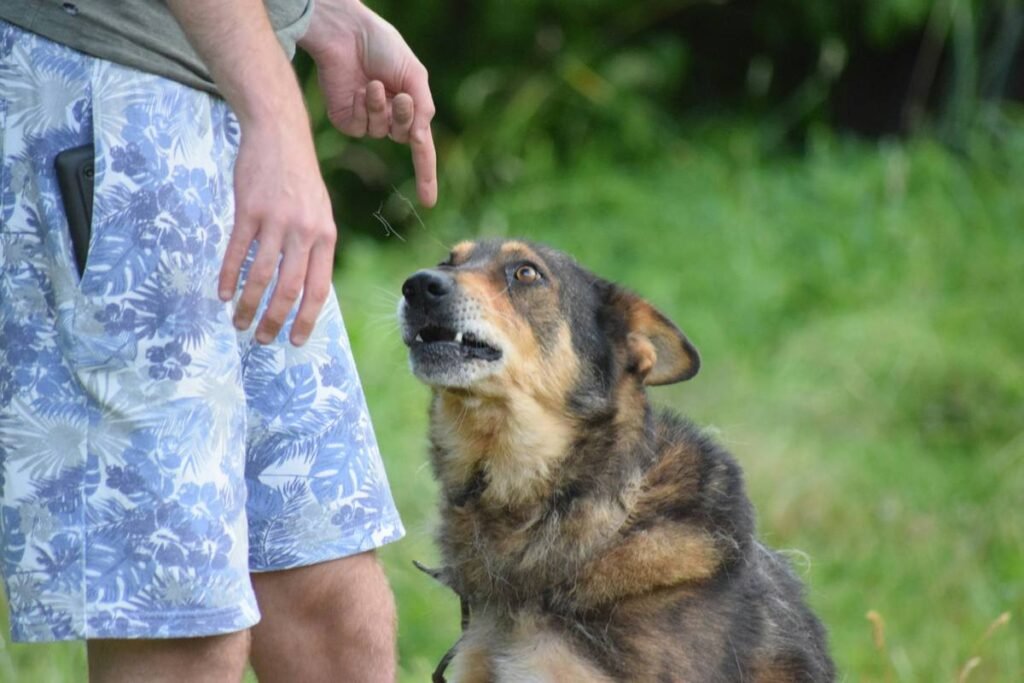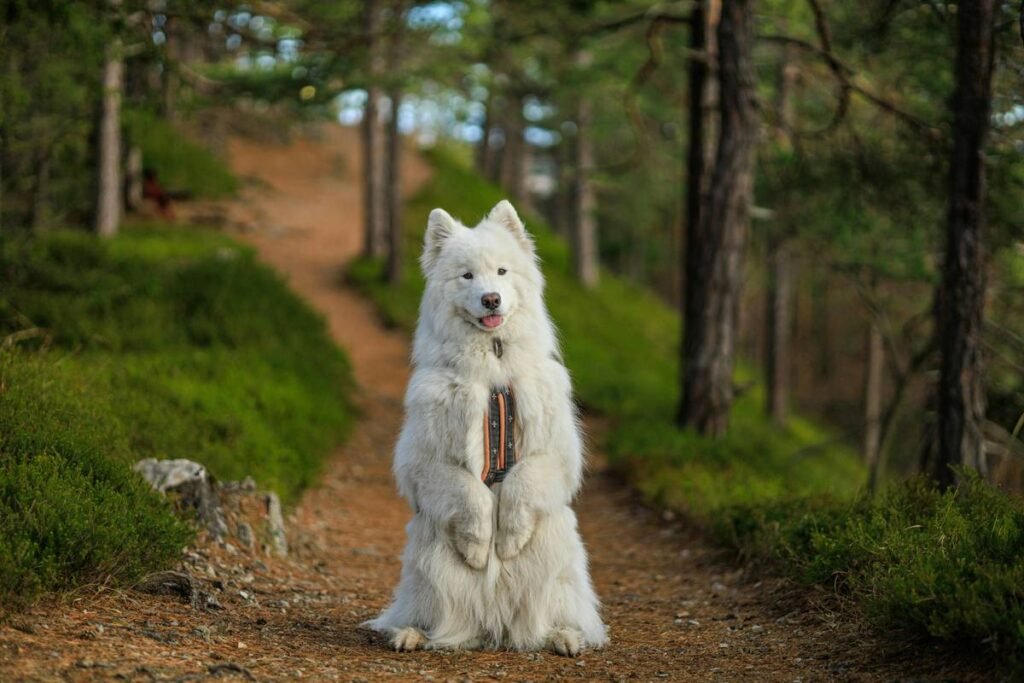
Your dog doesn’t respond when called. You clap, whistle, stomp—nothing. Panic sets in. Is it stubbornness? Age? Or something deeper? For deaf dogs, silence isn’t defiance—it’s their default. But here’s the relief: they *can* understand you brilliantly. Just not with sound. The solution? Consistent, clear hand signals dogs understand—a visual language that builds trust, safety, and connection where words fail.
Why Voice Commands Fail (And Why That’s Actually Good News)
Most dog training leans hard on verbal cues. “Sit!” “Stay!” “Come!” But sound is useless to a dog who can’t hear it. Worse—it creates confusion. Your dog watches your mouth move but gets no meaningful input. Over time, they disengage. They stop trying.
Here’s the reality: voice-based training assumes hearing is universal. It’s not. And clinging to it sets both you and your dog up for frustration.
But flip the script. Remove sound entirely, and you reveal a hidden advantage. Deaf dogs are hyper-observant. They read body language like elite interpreters. Their vision is often sharper, their focus more intense. The problem isn’t your dog—it’s the method.
Teaching Hand Signals Dogs Understand: A Step-by-Step Framework
Forget vague gestures. Precision matters. Consistency is non-negotiable. Start simple. Master one signal before adding another. And never—ever—mix hand cues with voice unless you’re actively retraining a hearing dog.
Start With High-Value Behaviors
Begin with commands tied to strong motivation: food, play, or comfort. “Sit” for dinner. “Down” before a walk. These aren’t tricks—they’re functional anchors.
Use Clean, Exaggerated Motions
Your hand should move deliberately from neutral (at your side) to signal position. No wiggles. No half-gestures. If your palm faces down for “down,” keep it consistent—even if you’re tired or distracted.
Reward Instantly—Then Fade the Lure
Initially, pair the hand signal with a treat lure. As soon as your dog performs the behavior, mark it (with a thumbs-up or light tap) and reward. Within 3–5 sessions, remove the treat from your signaling hand. Let the gesture stand alone.
| Command | Hand Signal | Training Tip | Success Timeframe |
|---|---|---|---|
| Sit | Palm flat, raised slowly upward (like stopping traffic) | Lure head slightly back so hips drop naturally | 1–3 days |
| Down | Open palm swept downward from chest to thigh | Start from a sit; lure nose toward floor | 3–7 days |
| Come | Both arms open wide, then swept inward toward chest | Always reward on arrival—never punish after recall | 5–10 days |
| Stay | Flat palm held forward at shoulder height—like a barrier | Take one step back immediately after signal | 7–14 days |
Maintain Eye Contact as Your Anchor
Before giving any signal, get your dog’s attention. Tap your chest. Stomp lightly. Flash a small flashlight (yes, really). Once eyes lock on yours, deliver the cue crisply. This ritual builds reliability in distracting environments.
The Industry Secret: Borrow from Canine Sports—Not Obedience Manuals
Most trainers copy military or obedience signals. Big mistake. Those were designed for distance control—not daily bonding. Instead, look to agility and rally competitors. Why? Their signals are bigger, clearer, and trained under pressure.
Agility handlers use sweeping arm arcs because they work at 30 yards away, in chaos. That same clarity helps your deaf dog parse commands amid squirrels, kids, or vacuum noise. Also—they’re kinetic. Movement triggers instinctive response. A static “stay” hand might be ignored. But a slow, deliberate lowering of the arm? That says “settle” in dog body language.
And here’s what no one admits: dogs don’t memorize shapes. They read motion trajectories. It’s not about *where* your hand ends—it’s *how it got there*. Train the path, not just the pose.
Frequently Asked Questions
Can hearing dogs learn hand signals too?
Absolutely—and they benefit hugely. Visual cues cut through background noise (like traffic or thunder). Plus, combining voice and hand builds redundancy. If one fails, the other works.
How many hand signals can a dog learn?
Dogs routinely master 20+ distinct gestures. Limit isn’t cognitive—it’s human consistency. Stick to clean cues, and your dog’s vocabulary will grow faster than you expect.
What if my dog ignores the hand signal?
Don’t repeat it. Walk away. Re-engage in 30 seconds. Repeating teaches them the first cue is optional. One clear signal, followed by consequence (reward or reset), builds reliability.