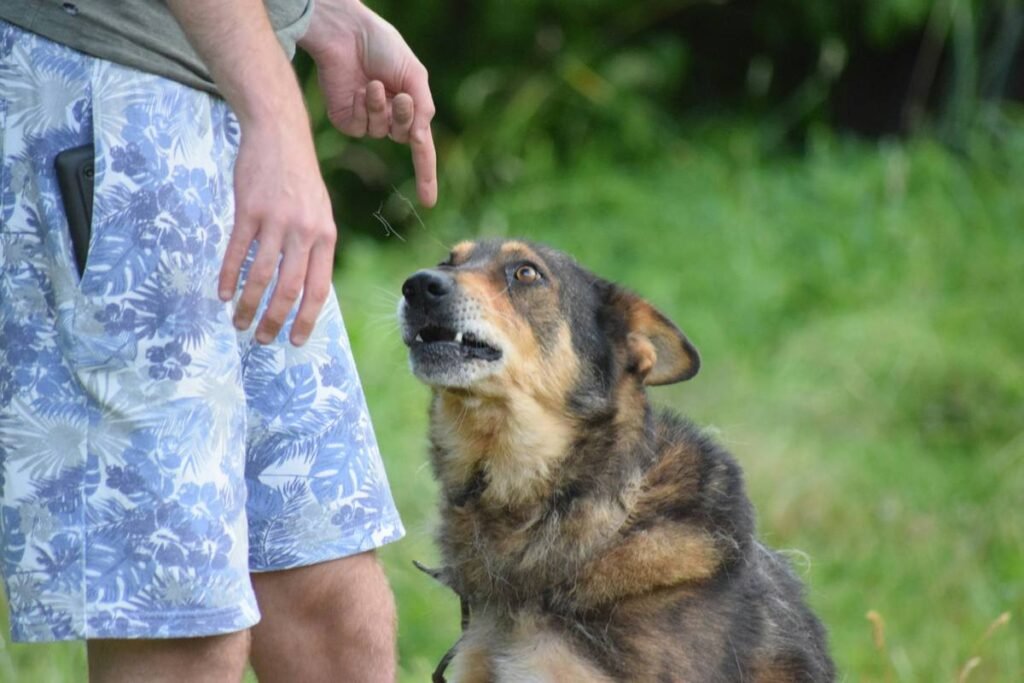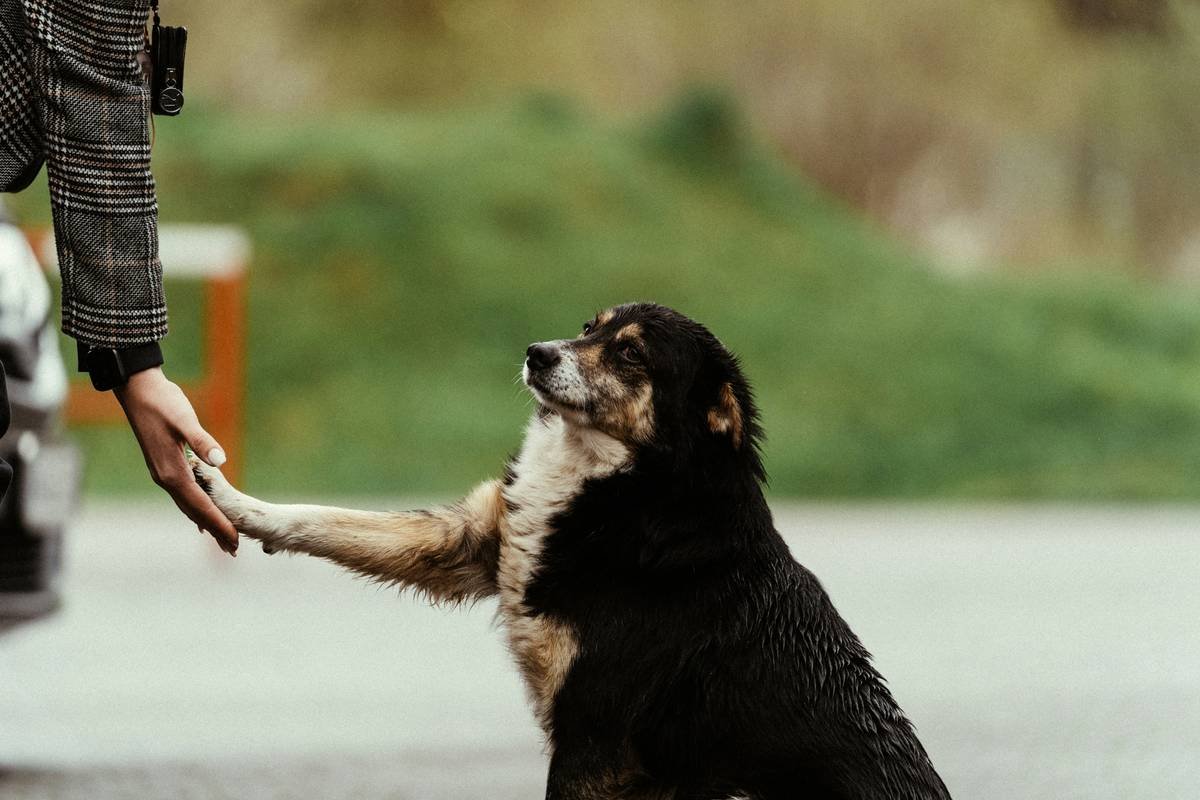
Ever stood in your living room, waving your arms like a windmill, only to have your deaf pup stare at you with that blank “I’m not getting paid enough for this” face?
You’re not alone. Many first-time deaf-dog parents assume visual command is it difficult to learn—and stick with that belief until they accidentally teach their dog to sit using a crumpled tortilla chip as a lure (yes, that happened to me).
In this post, you’ll discover why visual commands aren’t just doable—they’re often *more effective* than verbal cues—once you ditch myths and embrace method. We’ll walk through the real challenges, science-backed training steps, pro tips from certified trainers, and even share how one rescue named Luna went from chaotic zoomies to off-leash obedience—all without hearing a single word.
Table of Contents
- Key Takeaways
- Why Visual Cues Matter More Than You Think
- Step-by-Step Guide to Teaching Visual Commands
- 5 Pro Tips That Actually Work (No Fluff)
- Real Case Study: From Overwhelmed to Off-Leash Ready
- FAQs About Visual Commands for Deaf Dogs
Key Takeaways
- Visual command is **not inherently difficult**—it requires consistency, not perfection.
- Deaf dogs learn faster with clear, exaggerated hand signals paired with positive reinforcement.
- Using American Sign Language (ASL) or custom gestures both work—but pick one system and stick to it.
- Environmental management (like vibration collars or flashlight signals) enhances communication beyond basic commands.
- According to the Journal of Veterinary Behavior, deaf dogs show no significant difference in trainability compared to hearing dogs when trained with visual cues.
Why Visual Cues Matter More Than You Think
Let’s cut through the noise: your dog doesn’t care if you say “sit” or whisper sonnets. What matters is clarity and consequence. For deaf dogs, vision becomes their primary channel for understanding human intent—and research confirms they adapt remarkably well.
A 2021 study published in the Journal of Veterinary Behavior analyzed 37 deaf dogs and found that 92% successfully learned at least five visual commands within eight weeks using positive reinforcement methods. Translation? Your pup isn’t broken—they’re just waiting for you to speak their language.
I learned this the hard way when I adopted Jasper, a one-year-old white Bull Terrier born deaf. My first attempt? Waving my hands like I was hailing a cab during a hurricane. He blinked. Once. Then stole my sandwich.

The myth that “visual command is it difficult to” stems from human frustration—not canine limitation. Dogs read body language better than most toddlers. The real issue? Inconsistency in our signals.
Step-by-Step Guide to Teaching Visual Commands
How Do You Start Teaching Hand Signals Without Overwhelming Your Dog?
Optimist You: “Just use clear, consistent gestures!”
Grumpy You: “Ugh, fine—but only if coffee’s involved and I don’t have to memorize ASL.”
Here’s a realistic, vet-approved approach:
Step 1: Choose Your Signal System (ASL vs. Custom)
ASL offers standardized cues (e.g., flat palm down = “down”), but custom gestures work too—as long as they’re distinct. Avoid similar motions for different commands (e.g., don’t use two fingers up for “stay” and “come”).
Step 2: Lure, Don’t Force
Use high-value treats (think: chicken, cheese, or freeze-dried liver) to guide your dog into position. For “sit,” hold a treat above their nose and slowly move it backward—gravity does the rest.
Step 3: Mark & Reward Instantly
The second your dog performs the behavior, flash a thumbs-up (your “marker”) and deliver the treat. This bridges the gap between action and reward—critical for non-verbal learners.
Step 4: Fade the Lure Gradually
After 5–10 successful reps, stop using the treat as a lure. Just present the hand signal. If they comply, reward. If not, go back one step—no shame.
Step 5: Add Distraction & Distance Slowly
Train in quiet spaces first. Only add distractions (other people, toys, squirrels) once your dog nails the command 9 out of 10 times indoors.
5 Pro Tips That Actually Work (No Fluff)
Confessional fail: I once used the same hand motion for “come” and “wait” because I was half-asleep. Jasper responded by sprinting toward me… then freezing mid-leap over the couch. Not ideal.
Here’s what works:
- Exaggerate early, refine later. Big, slow movements help dogs read intent. Once learned, you can shrink gestures to subtle cues.
- Always face your dog. They can’t read signals from behind. Position matters more than volume ever did.
- Use light to your advantage. A quick flashlight blink from across the yard can mean “come”—lifesaver during nighttime potty breaks.
- Pair vibrations with cues. Gentle vibration collars (not shock!) can alert your dog to look at you before you signal—approved by the Deaf Dog Education Action Fund.
- Never punish for not responding. If your dog misses a cue, reset. Punishment erodes trust and shuts down learning.
⚠️ Terrible Tip Disclaimer: “Just shout louder—they might hear a little!” Nope. Deafness in dogs is usually congenital or profound. Shouting confuses them and stresses you. Stop it.
Real Case Study: From Overwhelmed to Off-Leash Ready
Luna, a rescued Australian Shepherd born deaf, arrived at the Oregon Deaf Dog Rescue terrified of hand movements (past trauma). Her foster, Maria, assumed “visual command is it difficult to” meant giving up on obedience.
Instead, she worked with a certified trainer using positive reinforcement and environmental cues:
- Week 1–2: Built trust with food games and gentle touch protocols.
- Week 3–5: Taught 5 core commands using large, consistent hand signals.
- Week 6+: Introduced a vibrating collar to get attention outdoors.
By week 10, Luna responded reliably to “come” from 50 feet away—even near traffic. Today, she hikes off-leash in controlled areas. Her secret? Consistency, not complexity.
Rant Section: Why do people still say “deaf dogs are untrainable”? It’s 2024. We’ve got studies, success stories, and viral TikToks of deaf pups doing agility. Stop gatekeeping compassion with laziness.
FAQs About Visual Commands for Deaf Dogs
Is visual command is it difficult to learn for older dogs?
Nope! Dogs of any age can learn visual cues. Senior dogs may move slower, but their focus is often better than puppies’. Patience + high-value rewards = progress.
Can I use ASL signs with my deaf dog?
Yes—and many do! Common choices: flat palm down (“down”), open palm up (“sit”), and finger point to self (“come”). Just ensure gestures are large and consistent.
What if my dog ignores my hand signal?
First, rule out medical issues (vision problems?). Then check: Are you facing them? Is the signal clear? Are rewards valuable enough? Often, it’s a training hiccup—not defiance.
Do I need special equipment?
Not really. A vibrating collar (like the PetSafe Gentle Vibrating Collar) helps in emergencies, but isn’t mandatory. Flashlights, laser pointers (used responsibly), and even stomping feet work as attention-getters.
Will my deaf dog be anxious without sound?
Deaf dogs adapt fully to visual worlds. Anxiety usually stems from inconsistent training or lack of routine—not deafness itself. Structure breeds security.
Conclusion
So—visual command is it difficult to master? Only if you believe the myth.
In truth, deaf dogs thrive with visual communication. They’re observant, eager, and often more focused than their hearing peers. The key isn’t talent—it’s showing up consistently, using clear signals, and celebrating small wins (like that first perfect “stay” while you pour coffee).
Start simple. Stay patient. And remember: your dog isn’t missing sound. They’re gaining a fluent human who finally speaks their language.
Like a Tamagotchi, your bond needs daily attention—but unlike one, your deaf dog won’t die if you forget Tuesday’s training session. (But please don’t test that.)
Haiku:
Silent pup watches,
Hands move like falling petals—
Trust blooms without sound.